
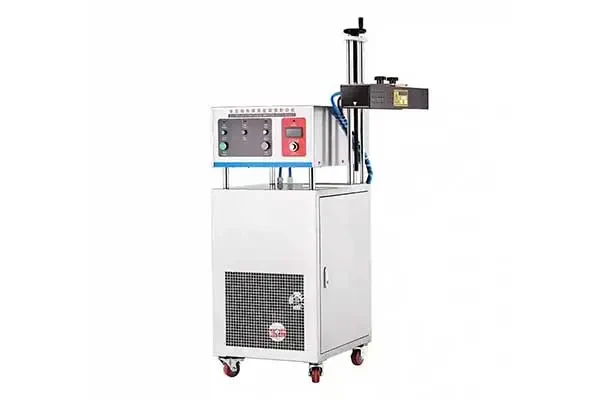
induction cap sealing machine, also known as an aluminum foil sealing machine, is a packaging device that uses electromagnetic induction technology to achieve non-contact sealing. Its working principle involves using electromagnetic induction to instantly generate heat in the aluminum foil lining the bottle cap, rapidly melting it and bonding it tightly to the container opening, forming a clean, strong, and tamper-proof seal. This sealing method is suitable for plastic and glass containers (with plastic caps), effectively preventing leakage, moisture intrusion, and contamination, significantly extending product shelf life.
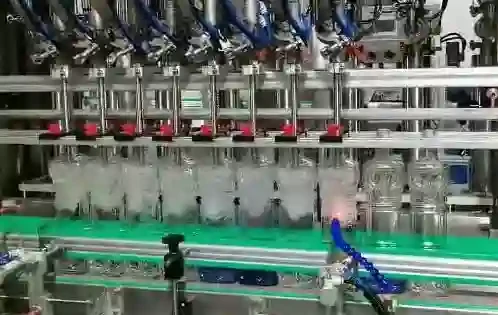
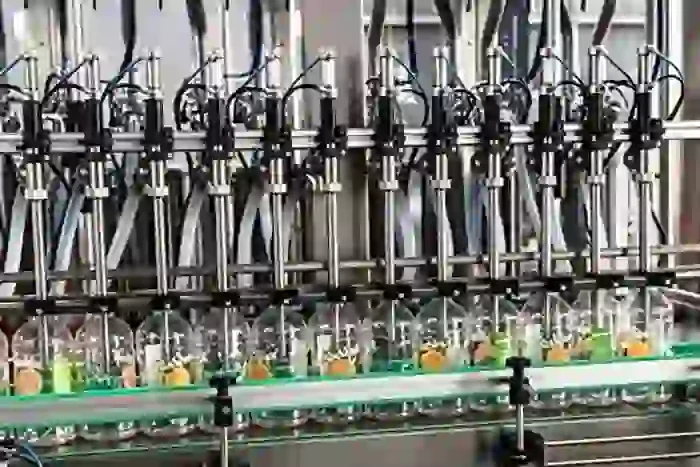
This equipment is compatible with various materials, including PVC, HDPE, PE, PP, PET, PS, ABS, and glass, and possesses excellent leak-proof, moisture-proof, and contamination-proof performance. It is typically integrated into automated filling, capping, and labeling production lines and is widely used in the food, beverage, cosmetics, daily chemical, and pharmaceutical industries, ensuring the safety and freshness of the contents while also serving as an anti-counterfeiting measure.
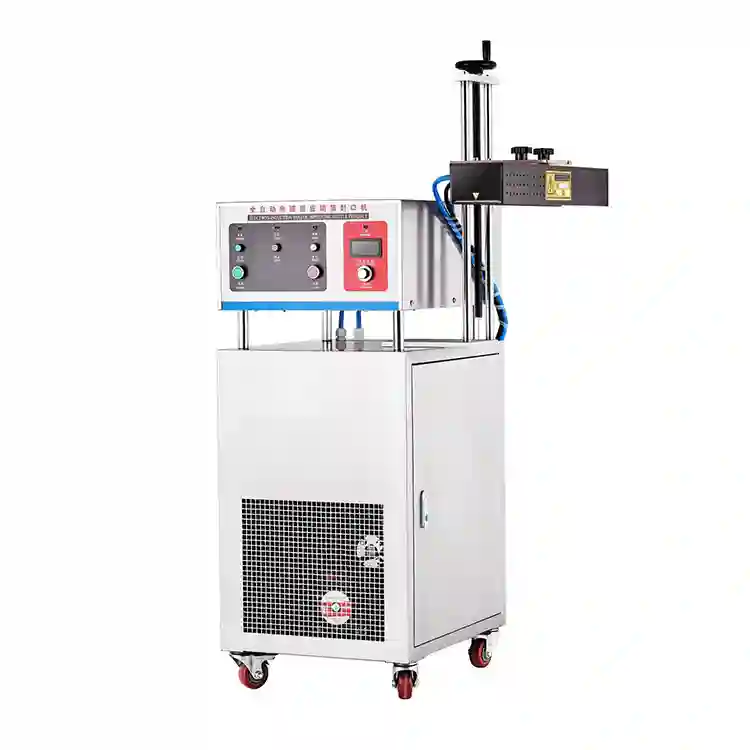
Induction Cap Sealing Machine Main Features
1.Adapts 304SS contracture, Applicant to GMP standard
2.Patent Technology, perfect sealing
3.Water cooling, high speed and high quality sealing
4.Voltage Stabilization, Stable sealing
5.Power easily adjustment
Technical Parameters
| Model | NP-SF40 | NP-SF80 | NP-SF140 |
| Power | 2000W | 2000W | 2000W |
| Voltage | AC 220V 50HZ 110V 60HZ | AC 220V 50HZ 110V 60HZ | AC 220V 50HZ 110V 60HZ |
| Sealing Diameter | 16mm-40mm | 16mm-40mm | 80mm-140mm |
| Sealing Diameter | 2.4-18m/min (180bottles/min for 30mm diameter PET bottle | ||
| Bottle height | 30-260mm (special size for designing ) | ||
| Machine size | Main Engine: 600mm*450mm*1200mm) Conveyor Table 1800mm*180mm*1300mm | ||
| Machine Weight | Main Engine:90Kg | ||
What Is an Aluminum Heat Induction Liner and What Are Its Layers?
What Is an Aluminum Heat Induction Liner?
An aluminum heat induction liner is a sealing element placed inside bottle or jar caps, widely used in products such as food containers, pharmaceuticals, and beverages. Its primary function is to create a tamper-evident, airtight barrier that protects the contents from leakage, moisture, and contamination. At the same time, it provides a clear visual indication if the package has been opened, helping ensure product safety and consumer confidence.
Layered Structure of Induction Liners
Induction liners are designed as a multi-layer system, with each layer playing a specific role in the sealing mechanism:
Pulp Paperboard Layer
Located at the top, this layer sits against the inner side of the cap. It provides structural support and cushioning, and can also carry printed branding or product information.
Wax Layer
Positioned beneath the paperboard, the wax layer acts as a temporary bonding medium. During the sealing process, it melts and allows separation between the paperboard and the foil layer.
Aluminum Foil Layer
This is the functional core of the liner. When exposed to the electromagnetic field during induction sealing, the foil heats up and enables the sealing process by transferring heat to the sealing layer below.
Polymer (Heat-Seal) Layer
The bottom layer, which comes into direct contact with the container opening, is made of a heat-sensitive polymer. When heated, it melts and bonds tightly to the container rim, forming a secure hermetic seal.
Overall Functionality
Through the coordinated action of these layers, the liner delivers a reliable, single-use seal that ensures product freshness, prevents tampering, and maintains high standards of safety and quality across various industries.
How Do Induction Cap Sealing Machine Work With Different Closure Types and Cap Styles?
The efficiency of an induction cap sealing machine is closely tied to the type of closure or cap style in use. Induction sealers are remarkably versatile, accommodating a wide range of closure types—from screw caps to snap-on lids and even child-resistant closures.
Whether you’re sealing bottles with standard induction-ready caps, flip-tops, or specialty closures, the machine can adapt to each scenario. The key element is the presence of an induction liner within the closure, which ensures the electromagnetic field effectively heats the foil for a proper seal.
Some common closure types compatible with induction sealers include:
Continuous Thread (CT) Caps
Often found on pharmaceutical bottles and beverage containers, these screw-on caps provide a secure surface for seal formation.
Dispensing and Flip-Top Closures
Frequently used in personal care or household products, these require careful alignment to ensure the liner makes full contact with the bottle rim.
Child-Resistant Caps
Designed for safety, these closures work effectively with induction sealing as long as the liner is correctly fitted and the cap is properly torqued.
Snap-On and Press-Fit Lids
Used with food jars and tubs, these closures benefit from induction lining when leak protection and tamper evidence are required.
It’s important to choose the correct size and style of induction liner for each cap, as the sealing process depends on precise fit and material compatibility.
Ultimately, regardless of your closure style, ensuring that the induction liner fully contacts the container rim is crucial for airtight and tamper-evident seals—maximizing the performance and reliability of your induction cap sealing machine.
How the Induction Cap Sealing Machine Process Works?
The induction cap sealing machine process follows a series of controlled steps to achieve a reliable, tamper-evident seal:
Container Preparation
Once filled, containers are sealed with caps that contain an aluminum foil induction liner. This liner is typically composed of multiple layers, including wax, pulp board, aluminum foil, and a heat-sensitive polymer film.
Conveyor Transfer
Capped containers are conveyed through the production line, passing beneath the induction sealing head, which generates an electromagnetic field.
Induction Heating
As the containers move under the sealing head, the electromagnetic field induces eddy currents within the aluminum foil, producing rapid and localized heat without direct contact.
Layer Activation
The generated heat melts the wax layer, which is absorbed into the pulp board. This separation allows the aluminum foil and polymer layer to detach from the backing and engage with the container opening.
Sealing Bond Formation
The polymer layer softens and adheres tightly to the container rim. Upon cooling, it forms a strong hermetic seal that prevents leakage, contamination, and tampering.
Quality Control Measures
Although induction sealing is a clean, non-contact process that does not affect the product inside, precise parameter control is essential. Excessive heat can weaken seal integrity, so consistent monitoring and quality checks are critical to ensure stable and reliable sealing performance.
What Steps Can Be Taken to Ensure a Perfect Induction Seal Every Time?
Only if the foil overheats could the protective layer and seal be compromised. Inaccurate sealing can also occur if the induction seal is not properly sized for the container, highlighting the importance of accurate sizing to ensure proper operation of the sealing system.
To achieve consistent, reliable results, it’s crucial to use an induction cap sealing machine with a dependable power supply and an appropriately designed sealing head for your specific application. Modern induction sealing machines are engineered for a range of packaging needs—whether you’re sealing bottles for pharmaceuticals, food and beverages, chemicals, or personal care products. Many systems now feature advanced controls, such as touchscreen interfaces and intelligent diagnostics, to ensure optimal performance.
Proper application expertise also plays a key role. Choosing the right equipment and liner materials, and ensuring the cap is correctly applied, will help prevent common issues like weak seals or overheating. In some cases, support from experienced technicians or sales representatives can be invaluable, especially when troubleshooting unique packaging requirements or scaling up production.
Ultimately, investing in a quality induction cap sealing machine and taking the time to configure it correctly will safeguard your product with a secure, tamper-evident seal—minimizing risk and maximizing packaging integrity.