What is a ROPP Capping Machine?(ROPP Capper)
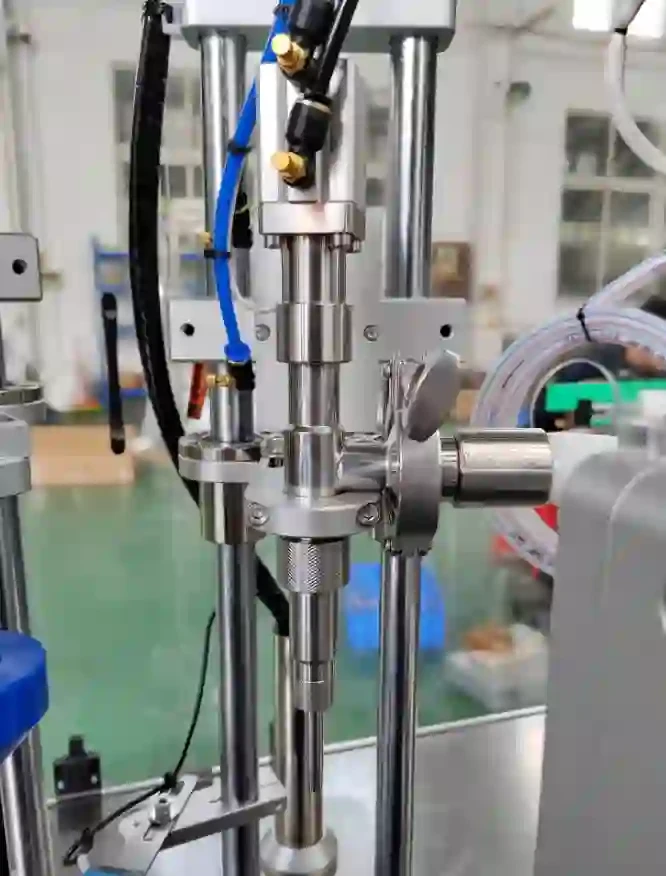
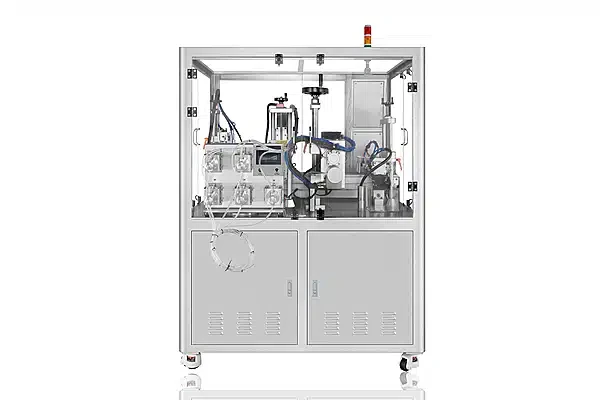
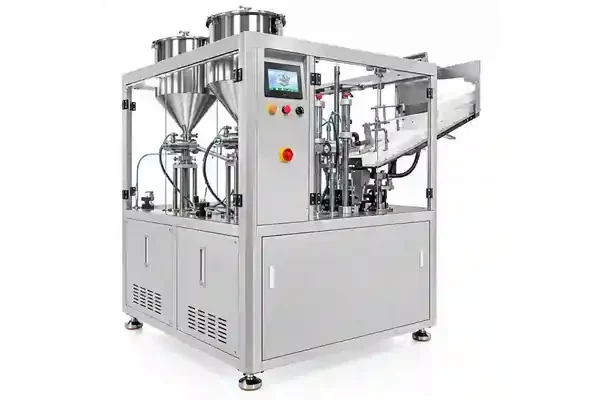
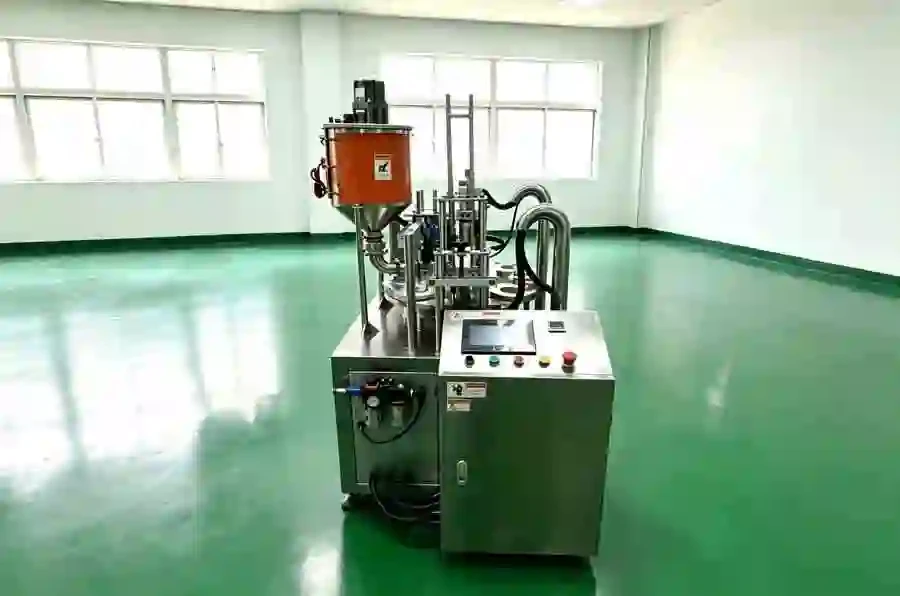
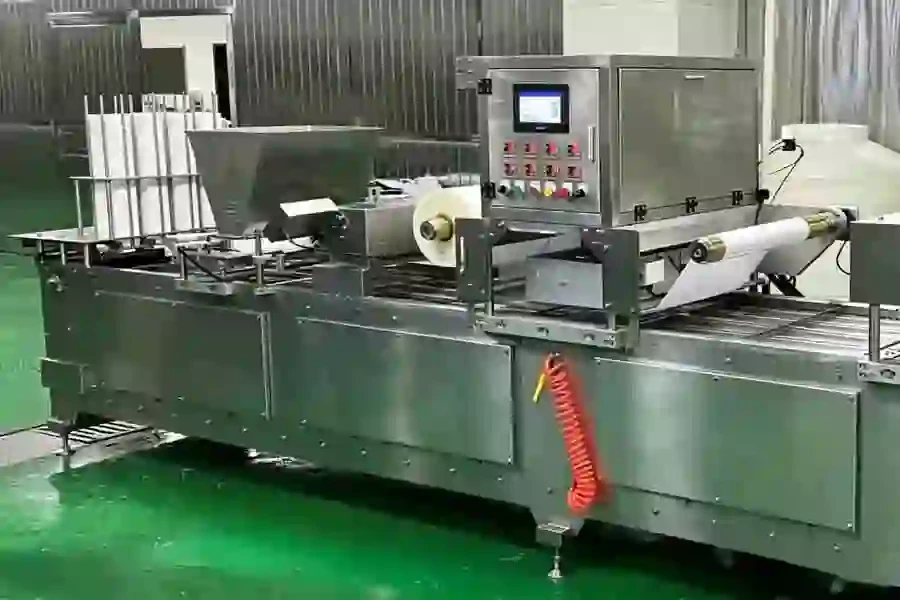
A ROPP capping machine (short for “Roll-On Pilfer-Proof” capping machine) ,also known as a ROPP capper or ROPP cap sealing machine, is a sealing device that applies downward pressure to press an aluminum cap tightly against a bottle neck, simultaneously forming threads to ensure a secure fit. This process incorporates tamper-evident features directly into the capping operation. While the equipment requires a certain degree of rigidity in the bottle neck, it is widely utilized across various industries, including pharmaceuticals, beverages, cosmetics, and chemicals.
What is ROPP Cap?
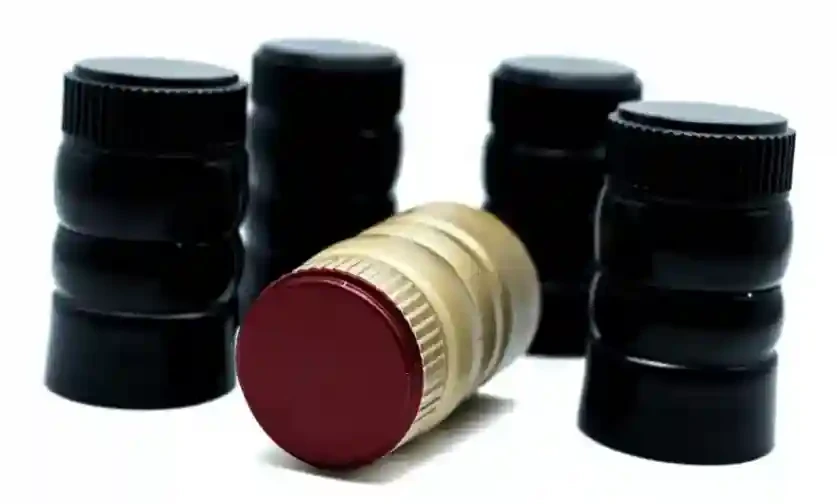
The ROPP cap—short for “Roll-On Pilfer Proof”—is a widely used closure solution across industries such as pharmaceuticals, beer, wine, and beverages. It typically features a two-part design, with an outer shell made of aluminum or tinplate and an inner liner made from materials like plastic or cork. Among these, aluminum is the most commonly used outer material due to its excellent formability, allowing it to precisely mold around the bottle neck and ensure a tight, reliable seal.
During the capping process, the cap is applied using rollers that shape the aluminum shell directly onto the bottle’s threads. This roll-on action creates a secure, tamper-evident, and airtight seal, effectively protecting the product from leakage, contamination, and external influences.
How Does a ROPP Capping Machine Work?
1. Bottle Placement
Empty bottles are placed onto the conveyor belt system—either manually or via a rotary turntable—and are subsequently separated and sequentially fed beneath the capping head by a star wheel.
2. Cap Sorting and Conveyance
A cap sorter arranges the bulk aluminum caps into a uniform orientation (with the cap opening facing downward) and conveys them via a chute to the cap-pickup position beneath the capping head.
3. Cap Positioning
The capping head precisely places the cap directly atop the bottle neck. Simultaneously, the system performs precise positioning and alignment of the cap, ensuring that the central axes of the bottle opening, the cap, and the capping head are perfectly aligned; this prevents crooked capping and guarantees that the subsequent sealing process is executed flawlessly.
4. Roller Spinning and Sealing
The capping head begins its downward movement; while applying downward pressure, the capping head drives the cap to rotate synchronously. Through a rolling action, the threaded skirt at the lower edge of the cap engages tightly with the threads on the bottle neck, thereby achieving a secure seal for the bottle.
This capping head typically consists of four rollers: two rollers are responsible for curling, tightening, and sealing the cap, while the other two rollers—calibrated to the specific diameter of the bottle neck—press the threads into the cap.
5. Bottle Release
Subsequently, the bottles continue to advance along the conveyor system to undergo the next stages of the packaging process, such as labeling, carton erecting, packing, and carton sealing.
Key Components of an ROPP Capping Machine
An ROPP capping machine consists of several precisely engineered components that work in coordination to deliver consistent, high-quality sealing performance. The main elements include:
Cap Feeder
Responsible for automatically sorting and orienting caps so they are correctly aligned before entering the cap chute, ensuring uninterrupted feeding.
Cap Chute
Transfers the oriented caps from the feeder to the capping station, maintaining proper positioning for accurate placement onto each bottle.
Star Wheel
A critical indexing component that holds and positions bottles as they move through the machine. Its pockets are custom-designed to match specific bottle shapes, allowing smooth transfer and precise alignment under the capping head. Custom star wheels can be manufactured to accommodate different container sizes and formats.
Capping Head
Equipped with specially designed rollers, the capping head descends onto the cap and forms the threads by mechanically rolling the aluminum skirt onto the bottle neck. During this process, the tamper-evident band is simultaneously formed, ensuring a secure and tamper-proof seal.
Conveyor System
Ensures stable and continuous bottle transport throughout the capping process, synchronizing movement between different machine stations for optimal efficiency.
Types of ROPP Capping Machines
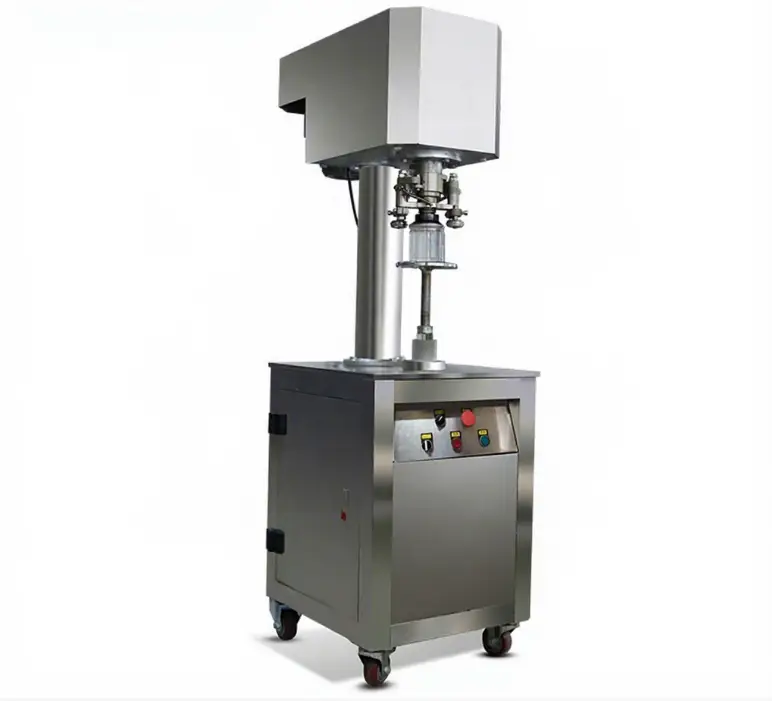
Semi-Automatic ROPP Capping Machine
The Semi-Automatic ROPP Capping Machine requires partial manual assistance; specifically, operators must manually place the caps onto the bottles and remove the bottles once the capping process is complete. Utilizing a four-wheel balanced operating principle, the machine applies uniform pressure to ensure superior sealing quality. It is ideally suited for small to medium-sized production lines with relatively lower output requirements.
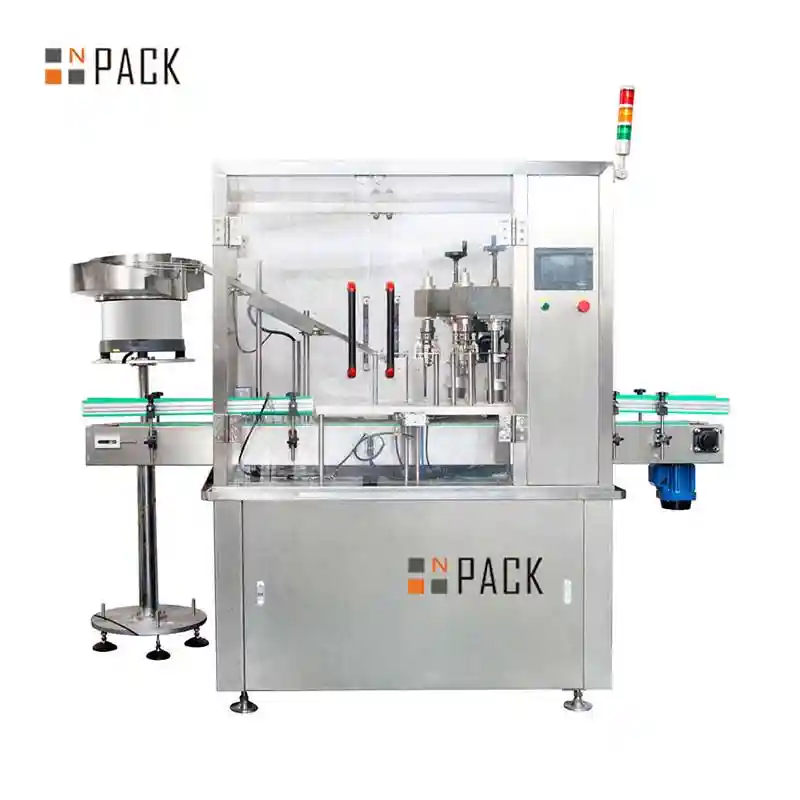
Automatic ROPP Capping Machine
The Automatic ROPP Capping Machine achieves full automation, capable of capping a large volume of bottles per minute. This equipment employs a bottle conveying system to transport bottles into the capping unit, where the placement of the caps and the subsequent roller-sealing process are executed automatically. The entire sequence—including the sorting, conveying, and precise placement of the caps onto the bottle mouths—requires absolutely no manual intervention.
Applications of ROPP Capping Machine
| Industry Sector | Typical Products | Core Requirements |
| Alcoholic Beverages | Baijiu, Wine, Spirits, Sparkling Wine | Prevents evaporation, tamper-evident, pressure-resistant (for sparkling wines), aesthetically pleasing |
| Food & Beverage | Cooking Oil, Fruit Juice, Sauces, Olive Oil | Oxygen barrier, extends shelf life, leak-proof |
| Pharmaceutical | Oral Liquid, Syrup, Reagents | GMP compliant, high sealing precision, contamination prevention |
| Cosmetics | Serums, High-end Lotions | Seals in freshness, enhances packaging aesthetics |
| Chemical | Agrochemicals, Lubricants, Reagents | Ensures safe sealing, prevents leakage |
ROPP Capper vs. Other Capping Methods
1.ROPP vs Screw Capping
| Comparison Aspect | ROPP Capping | Screw Capping |
| Working Principle | Roll forming; threads are “shaped” on-site | Rotary tightening; relies on preformed threads |
| Bottle Finish Requirement | No preformed threads required; lower bottle cost | Requires complete preformed threads; high finish precision needed |
| Cap Type | Specialized aluminum tamperevident cap; relatively higher cost | Screw caps, fliptop caps, metal caps available; wide variety of options |
| Sealing Performance | High conformity, stable sealing; ideal for longterm storage | Depends on torque control; generally meets standard requirements |
| Tamper Evidence | Tamper band physically breaks and cannot be restored | Plastic tamperevident caps can break; standard screw caps lack tamper evidence |
| Equipment Cost | Higher; complex structure | Relatively lower; simple structure |
| Changeover Cost | Higher; requires changing capping heads or rollers | Lower; requires gripper adjustment or simple component changes |
| Typical Applications | Midtohighend alcoholic beverages, pharmaceuticals, premium foods | Beverages, fastmoving consumer goods, daily chemicals, general foods |
2.ROPP vs Pressing Capping
| Comparison Aspect | ROPP Capping | Snap Capping |
| Working Principle | Roll forming; threads are shaped on-site | Vertical pressing; snap-fit engagement |
| Rotating Action | Yes; capping head rotates at high speed | No; vertical motion only |
| Bottle Finish Requirement | Requires thread groove; no pre-formed threads needed | Requires snap-fit structure (bead or groove) |
| Cap Type | Aluminum tamper-evident cap | Plastic flip-top cap, push-pull cap, sports cap, etc. |
| Sealing Mechanism | Liner compression + thread locking | Inner sealing plug fits tightly into bottle finish, or sealing gasket presses against bottle finish |
| Opening Method | Twist to open | Pry, flip, or press to open |
| Tamper Evidence | Tamper band physically breaks and cannot be restored | Some caps have a tamper-evident band; others rely on external sealing film |
| Equipment Cost | Higher; complex structure | Lower; simple structure |
| Typical Applications | Baijiu, wine, spirits, premium cooking oil, oral liquid | Sports drinks, sauces, fruit juice, shampoo, body wash |
3.ROPP vs Vacuum Capping
| Comparison Aspect | ROPP Capping | Vacuum Capping |
| Working Principle | Roll forming; threads are shaped on-site | Vacuum is created before or during capping; seal is maintained by negative pressure |
| Rotating Action | Yes; capping head rotates at high speed | Yes (for screw caps), but the capping process may involve no rotation (vacuum first, then capping) |
| Internal Bottle State | Atmospheric pressure | Negative pressure (vacuum) |
| Bottle Finish Requirement | Requires thread groove; no pre-formed threads needed | Requires smooth sealing surface; high precision required |
| Cap Type | Aluminum tamper-evident cap | Metal screw cap (tinplate), with sealing liner |
| Sealing Mechanism | Liner compression + thread locking | Vacuum suction + liner compression |
| Opening Method | Twist to open | Twist to open (audible air rush when opened) |
| Re-Sealing | Yes; simply screw back on | Can be screwed back on, but vacuum preservation effect is lost |
| Preservation Capability | Moderate; relies on product‘s own preservatives or properties | Excellent; significantly extends shelf life |
| Typical Applications | Baijiu, wine, spirits, premium cooking oil, oral liquid | Jam, canned goods, baby food, fruit juice, pickled vegetables, coffee |
How to Choose the Right ROPP Capping Machine?
Choose a ROPP capping machine based on your production needs:
- Define requirements: cap type, bottle size, speed, and automation level.
- Select machine type: semi-automatic for small batches; automatic (inline or rotary) for high-speed production.
- Match capacity: ensure the machine meets your output and supports different containers and caps.
- Check features: look for easy adjustment, safety, and low maintenance.
- Consider cost: balance performance with long-term operating and maintenance costs.
The right choice improves efficiency, sealing quality, and ROI.
Conclusion
In summary, the ROPP capping machine stands out as a highly reliable and technically advanced sealing solution, particularly suited for industries where product integrity, tamper evidence, and premium packaging are critical. By combining precise mechanical rolling with consistent pressure control, it ensures a secure, airtight seal that not only protects the contents but also enhances brand value.
Whether you are operating in pharmaceuticals, beverages, cosmetics, or chemicals, selecting the right ROPP capping system—based on your production scale, container specifications, and automation requirements—can significantly improve operational efficiency and product consistency. As packaging standards continue to evolve, investing in a well-designed ROPP capping machine is not just a technical decision, but a strategic move toward higher quality, safety, and long-term competitiveness.
Contact Us
ROPP Capping Machine Manufacturer – NPACK
Need a reliable ROPP capping machine? Send us your bottle size, cap specifications, and required production speed. NPACK will recommend a suitable ROPP capping solution for your application.