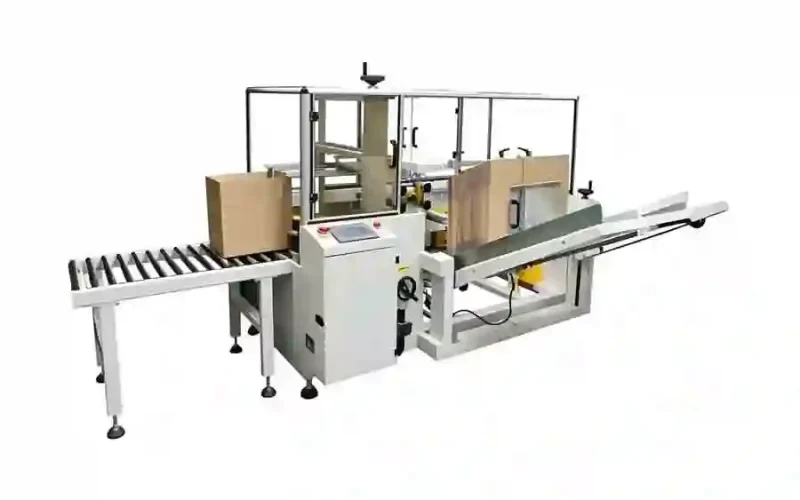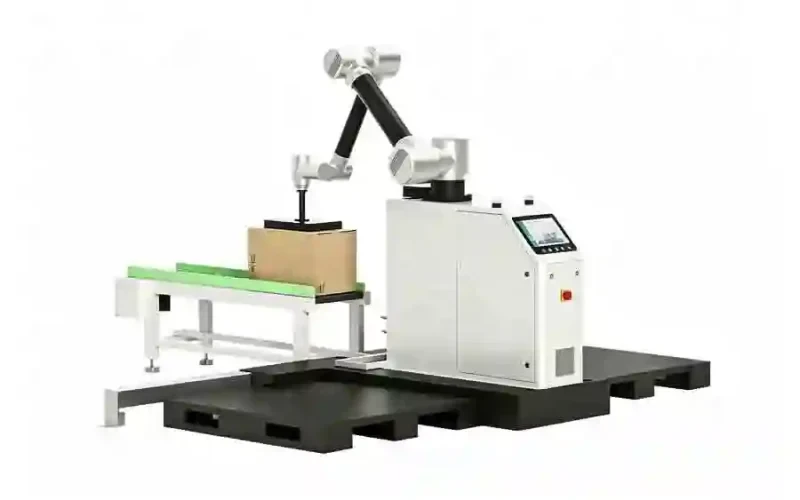
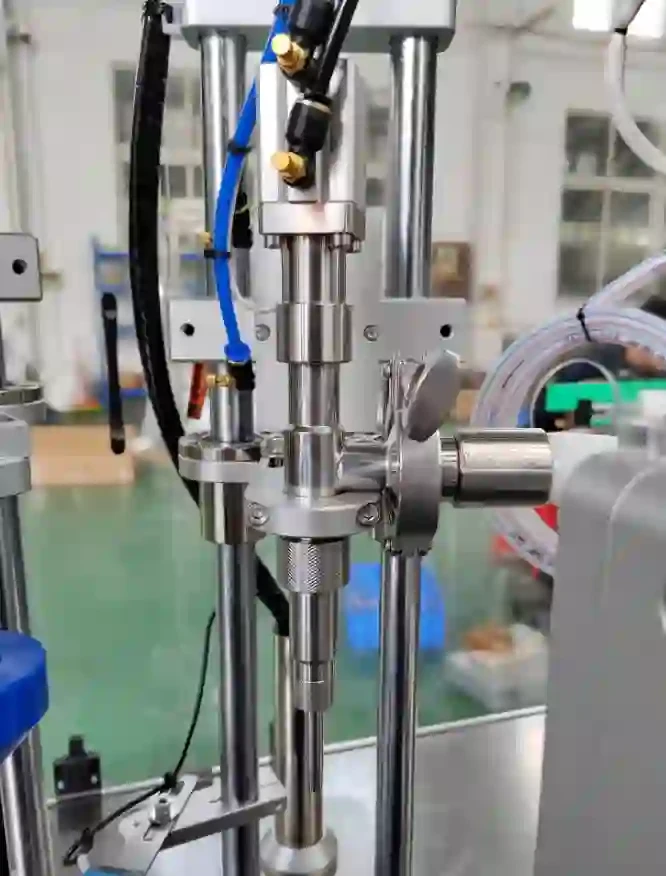

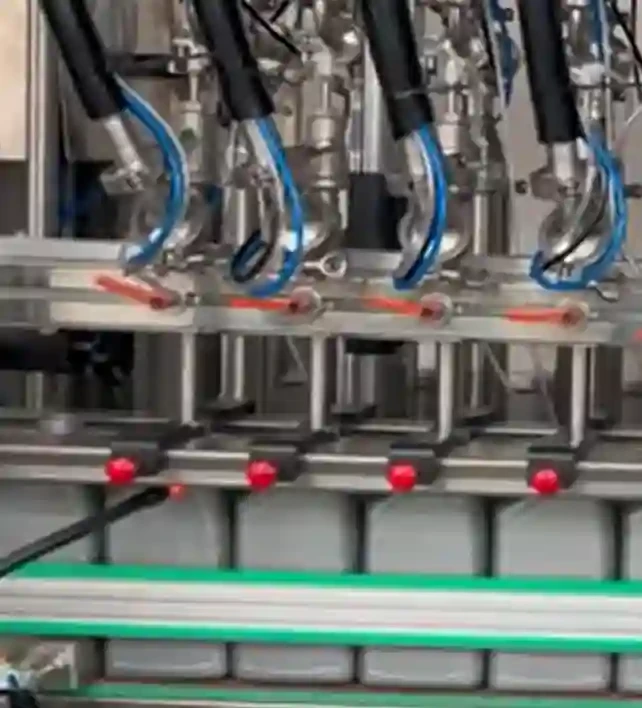
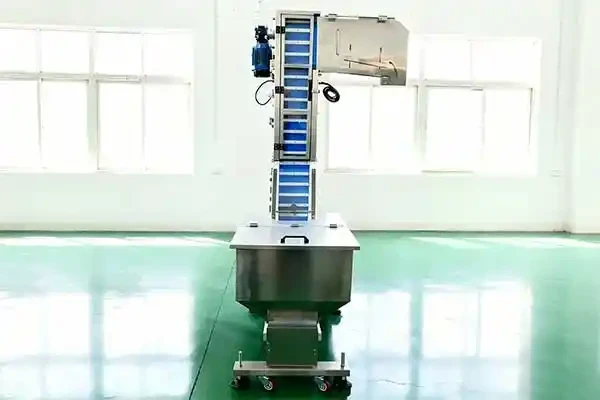
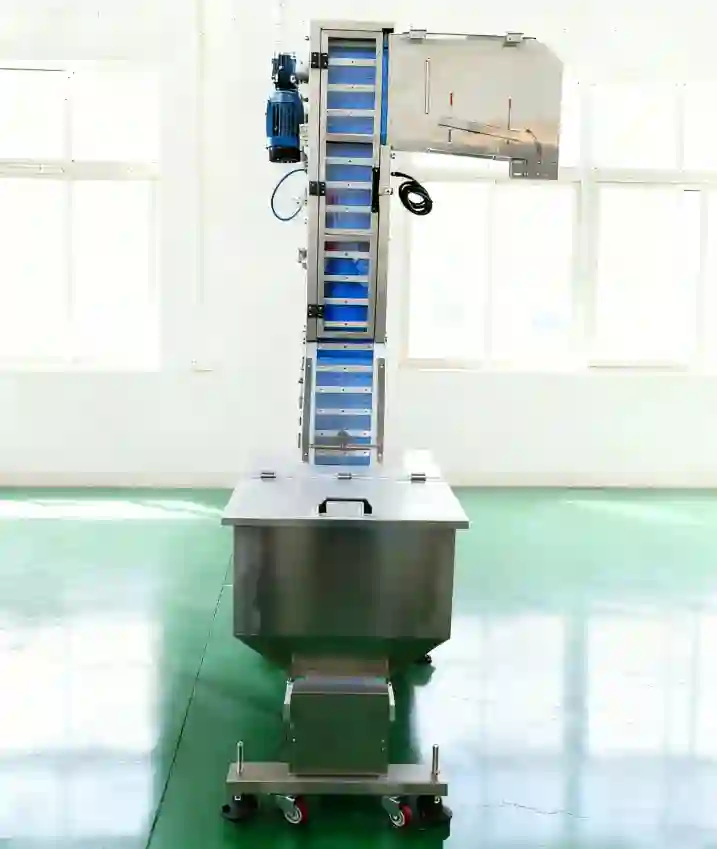
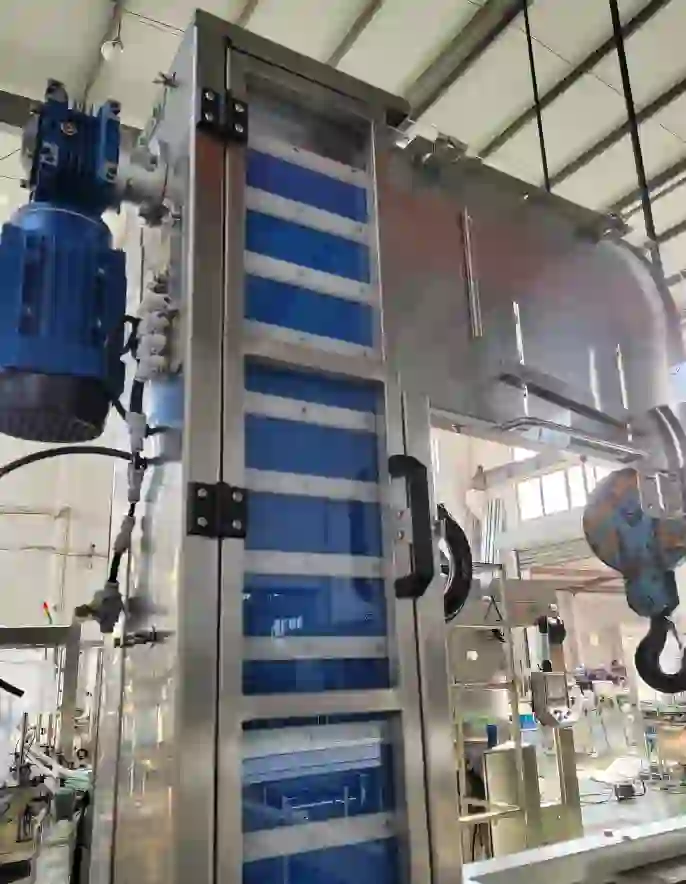
Cap elevator machine are remarkably adaptable, designed to efficiently handle a diverse array of closure styles to meet the varied needs of modern packaging lines. Whether your operation deals with beverages, cosmetics, pharmaceuticals, or specialty products, these systems can be configured to transport and deliver different kinds of closures with precision and care.
The most common types of closures compatible with cap elevators machine include:
- Screw-On Closures: Ideal for plastic bottle caps frequently used in water, soda, and food packaging.
- Roll-On Closures: Designed for aluminum caps, often seen on wine, spirits, and certain food containers.
- Push-In Closures: Perfect for stoppers, corks, and plugs used in both beverage and pharmaceutical industries.
- Snap-On Closures: Useful for lids and snap-caps applied to containers for snacks, cosmetics, and healthcare items.
- Combination Closures: Some production lines require the handling of closures such as combination screw-on and roll-on caps (e.g., for pilfer-proof applications) or insert-and-close mechanisms found on pumps and trigger sprayers.
By accommodating this extensive range of closure types, cap elevator machine deliver reliable performance and are well-suited for everything from standard round bottles to uniquely shaped specialty containers. This flexibility makes them an asset in any production environment seeking both efficiency and adaptability.
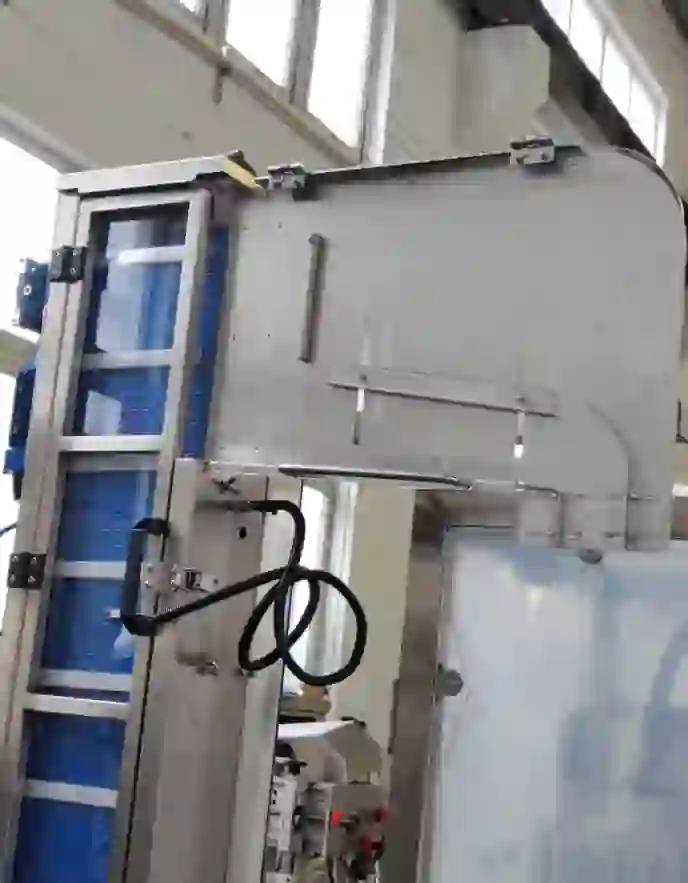
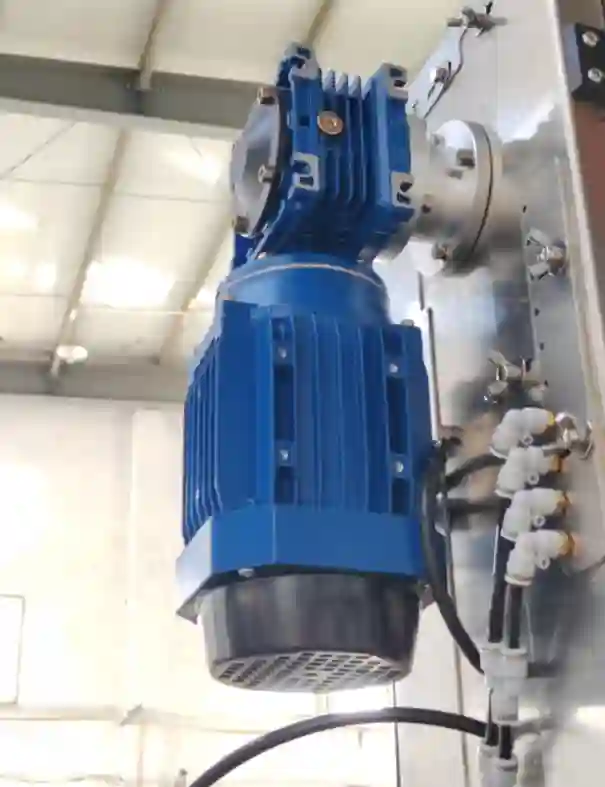
Technical Parameters
| 1 | Item No. | NP-CSE |
| 2 | Cap Diameter | 20-120mm |
| 3 | Dimensions | H2550*L1090*W800mm |
| 4 | Weight | 200KG |
What Is the Process for Changing Over Between Different Cap Types or Sizes Using these Systems?
Seamless Changeover Between Cap Types and Sizes
Switching between different cap types or sizes on a cap elevator machine is refreshingly straightforward. Many modern systems feature tool-free adjustment mechanisms, which means operators can make quick changes without the need for specialized equipment or lengthy downtime.
Here’s how the process typically works:
Quick Adjustments: Guides, rails, and belt positions can be easily repositioned to accommodate the new cap dimensions. Most machines are designed with intuitive controls for straightforward tweaking.
Minimal Downtime: Thanks to these user-friendly design elements, transitioning from, say, a 28mm screw cap to a 38mm snap-on closure takes only a few minutes—keeping your line productive and efficient.
Operator-Friendly: Preset positions (often marked for different cap sizes) further simplify the changeover process, reducing the possibility of errors.
This streamlined approach to changeovers means you can maintain flexibility on your line, quickly shifting between product runs and staying responsive to marketplace demands.
How Cap Elevator Machine Supply and Deliver Closures?
Cap elevator machine play a pivotal role in streamlining cap management within automated packaging lines. Their primary task is to move caps from storage hoppers or bins and reliably deliver them to the cap orientation system, all while maintaining a steady and controlled flow.
The process goes like this:
Efficient Metering: Caps are first loaded into a spacious hopper or bin. The elevator then feeds a measured amount of closures upward, preventing jams and ensuring your line doesn’t miss a beat.
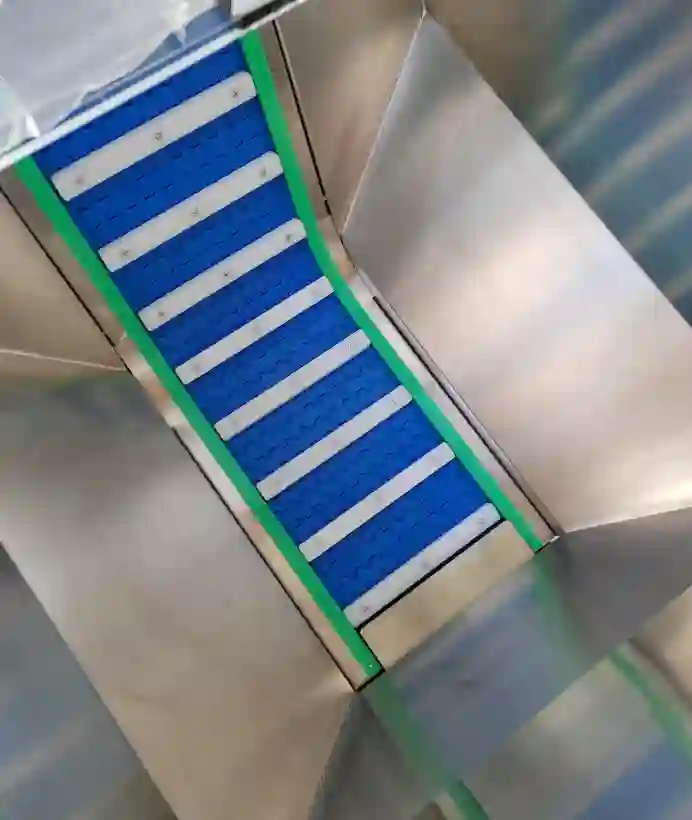
Elevation and Delivery: Utilizing a cleated belt or similar conveyor, caps are gently lifted to the required height. This mechanism is designed to accommodate diverse closure styles—whether you’re handling screw-on plastic caps, aluminum roll-ons, push-in corks, snap-on lids, or specialized closures for pumps and triggers.
Adaptable Design: The size of the cap bin and the angle of elevation can be tailored to match specific production needs. This flexibility allows seamless integration into various line layouts, from compact units to sprawling facilities.
Smooth Transfer: Once at the desired elevation, caps are guided directly into the cap orientation system, setting them up perfectly for precise placement on bottles or containers further down the packaging line.
By automating both the supply and transfer of closures, cap elevators not only enhance efficiency but also help ensure that every cap is correctly positioned for subsequent processing.
What Are the Available Configurations or Additional Equipment Options for Cap Sorting and Feeding Systems?
Modern cap sorting and feeding solutions are highly modular, allowing seamless integration into different packaging lines while meeting diverse closure handling requirements. From standard caps to dosing cups and specialty closures, various configurations and add-on units can be customized to enhance operational efficiency, accuracy, and hygiene.
Key Configuration Options Include:
Inline Cap Sorting and Feeding Systems
Designed for continuous, high-speed production, inline systems deliver caps directly to the capping station, reducing interruptions and improving throughput. They are compatible with multiple cap types, including snap-on and press-fit closures, making them suitable for industries such as beverages, cosmetics, and pharmaceuticals.
Dosing Cup Feeding Systems
These modules are optimized for precise handling and placement of dosing cups or similar components. By ensuring correct orientation and smooth transfer, they effectively minimize misalignment, blockages, and product damage.
Rotary Cap Sorting Units
Rotary sorters play a critical role in applications where cap orientation is essential. They accurately align closures before feeding them into the capping machine, which is particularly beneficial for threaded or child-resistant caps.
Cap Rinsing and Sterilization Systems
For industries with strict hygiene standards, such as food and pharmaceuticals, cap rinsers and sterilizers (including air cleaning or UV treatment units) can be integrated upstream. These systems help maintain product safety and compliance with sanitary regulations.
Cap Heating Devices
In applications involving plastic or tamper-evident closures, cap heaters can be installed inline to soften caps prior to application. This improves sealing performance and reduces the risk of deformation or improper sealing.
Automatic Retorquing Systems
For screw cap applications, retorquing units ensure consistent and accurate torque after initial capping. This guarantees closure integrity, enhances product safety, and reduces the likelihood of leakage.
With a wide range of configurable components—from basic feeding mechanisms to advanced orientation, cleaning, and conditioning systems—cap sorting and feeding equipment can be fully tailored to match the specific demands of your production environment, ensuring reliable and efficient operation.
How Do Cap Elevators Accommodate Different Production Line Layouts and Space Requirements?
Customization Options and Elevator Types
Customization Options: Considering that different production lines have different requirements, bottle cap lifts can be customized in size, capacity, and configuration according to specific requirements, making them a versatile solution suitable for a wide range of applications. Both small-scale enterprises and large factories can choose bottle cap lifts of appropriate size, capacity, and configuration according to their own needs to improve production efficiency and ensure product quality.
To further support diverse production environments, cap elevators are available in different types to best match line layouts and space constraints:
Inclined Cap Elevator Machine
These models use an inclined cleated belt to meter, elevate, and supply closures to the required height for feeding the cap orienter. Typically freestanding, they are installed on the production floor and efficiently transport closures from floor level up to the cap orienter, making them ideal for lines where space is less restricted.
Vertical Cap Elevator Machine
Utilizing a vertical cleated belt, these elevators are designed for closures requiring gentle handling and are perfect for facilities with limited floor space. Like their inclined counterparts, they are often freestanding units that move closures vertically from floor level up to the orienter above the capping turret, minimizing footprint without sacrificing performance.
The cap bin size and elevation angle of both types can be optimized for each specific application and production line layout, ensuring seamless integration and efficient operation regardless of manufacturing scale or facility design.