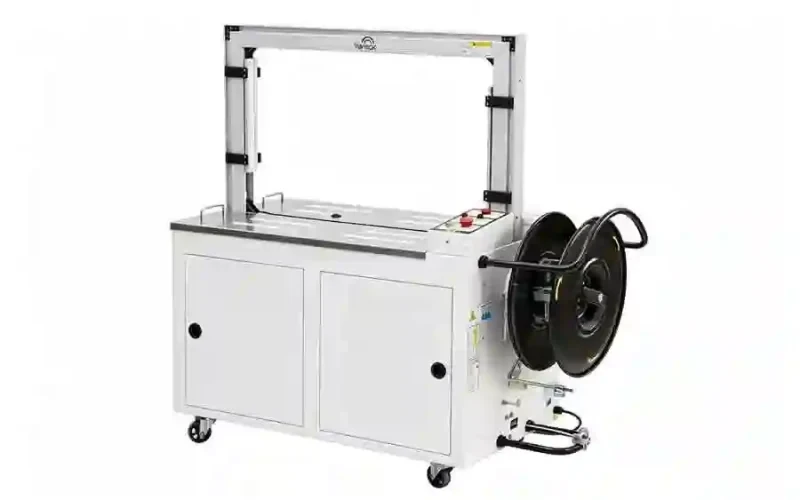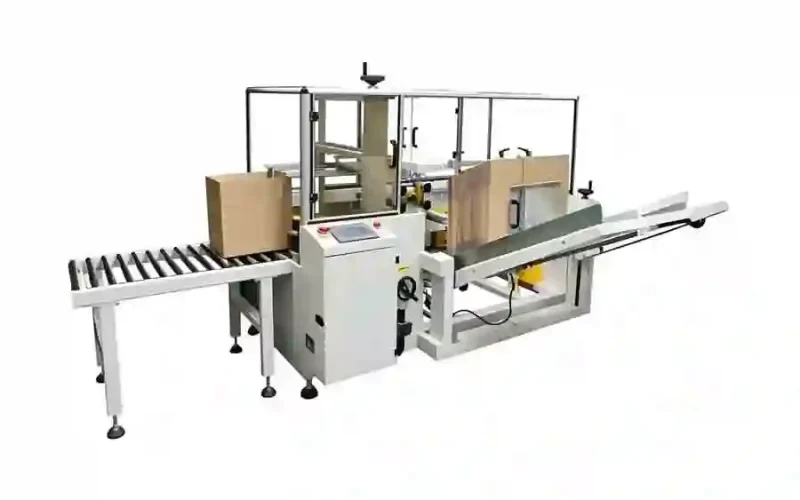

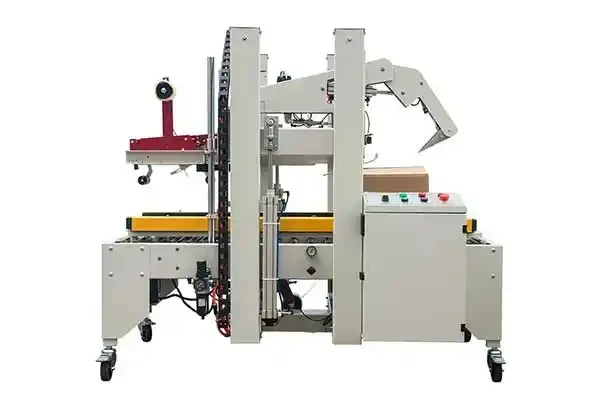
automatic carton sealing machine is an automated device used in the carton sealing process. Its core function is to fold the top and bottom flaps of the carton and seal them with tape. As the final packaging step before product warehousing or transportation, it plays a crucial role in improving efficiency, ensuring packaging consistency, and reducing labor costs in the packaging production line.
This equipment aims to achieve full automation of the carton process from folding to sealing, significantly improving packaging efficiency and reducing reliance on manual labor. It can operate independently or be easily integrated into automated production lines, working in conjunction with carton openers, packing machines, and other equipment to achieve smooth, continuous production. Simultaneously, this equipment optimizes tape usage, further reducing operating costs.
With its fast, stable, and consistent sealing performance, the automatic carton sealing machine is widely used in various industries such as food, pharmaceuticals, and electronics. Its outstanding advantage lies in ensuring that the sealed carton remains square and uniform, stacking more stably, and enhancing pallet stability, thereby providing stronger protection during storage and transportation and effectively reducing the risk of product damage and transportation delays.
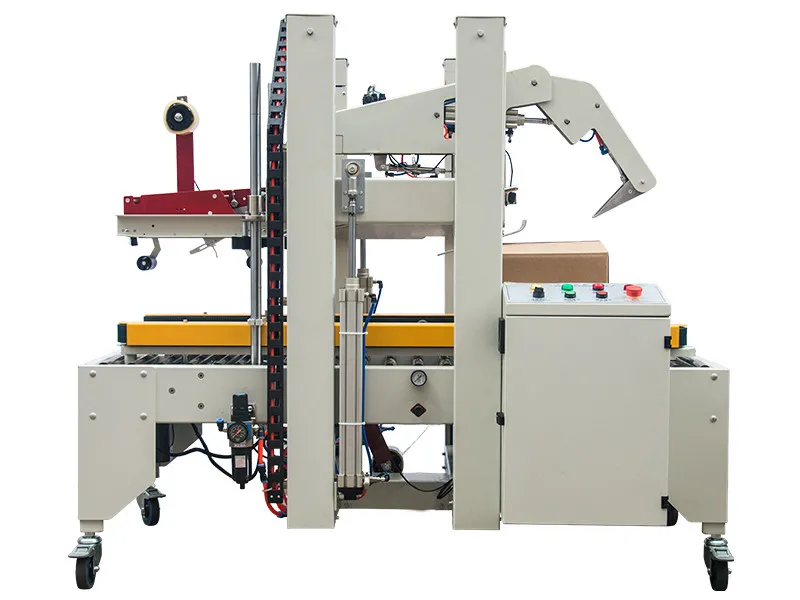
Main Feature
Automated Sealing: The machine automates the process of applying adhesive tape or glue to seal the flaps of a carton securely.
Consistency: It ensures consistent and uniform sealing of cartons, reducing the likelihood of errors and improving the overall efficiency of the packaging line.
Adjustability: Many machines allow for adjustments to accommodate various box sizes, ensuring versatility in packaging different products.
Speed: Automatic Carton Sealing Machines are designed for high-speed operation, allowing for a rapid sealing process and increased throughput.
Durability: These machines are typically built to withstand continuous use in industrial settings, ensuring durability and longevity.
Integration: Some models can be integrated into existing packaging lines, providing a seamless and automated end-to-end packaging solution.
By eliminating the need for manual folding and sealing, you also reduce the risk of machine jams and minimize downtime, further streamlining your production process and maintaining a safe, efficient work environment.
Technical Parameters
| Model | NP-CS50/CS30 |
| Conveyor speed | 0-25m/min |
| Carton Size | L250-600×W150-500×H180-500mm |
| Power Supply | 220V 50/60Hz 1Phase |
| Power | 450W |
| Adhesive Tape Width | 48/60/75mm |
| Air Consumption | 300NL/min |
| Air Compressing | 0.6Mpa |
| Table Height | 600+150mm |
| Machine Size | L1900×W1150×H1520mm |
| Machine Weight | 300kg |
How Do Case Sealers Help Maximize Stacking Strength and Keep Cases Square?
Ensuring Square, Sturdy Cases for Safer Stacking
A major benefit of using automatic carton sealing machines lies in how they help maintain the shape and integrity of each box during the sealing process. When a case is formed and sealed precisely, with flaps aligned and tight corners, you end up with a reliably square carton every time.
Why does this matter? Square cases are far less likely to shift, collapse, or get crushed when stacked on pallets or shelves. Properly sealed cartons hold their form, allowing for safer transportation, improved stacking stability in warehouses, and better protection of your products during shipping.
By taking the guesswork and variability out of manual sealing, these machines deliver both consistency and structural strength, helping to prevent damage and maintain product quality from the packaging line all the way to your customer.
What Maintenance Features Are Included in Advanced Automatic Carton Sealing Machine to Minimize Downtime?
By eliminating the need for manual folding and sealing, you also reduce the risk of machine jams and minimize downtime, further streamlining your production process and maintaining a safe, efficient work environment. Quick-opening top pulleys enable drive belts to be replaced in minutes, reducing maintenance time and keeping your line running smoothly. In addition, enhanced folder adjustment capabilities make the system more productive and versatile, allowing for rapid changeovers between box sizes and ensuring your packaging line stays efficient and adaptable to shifting production needs.
What Other Packaging Equipment Might Be Used Alongside Carton Sealing Machine to Further Enhance Operations?
Other commonly integrated equipment includes:
Automatic Case Packers
These machines load products into cartons quickly and accurately before sealing, significantly improving packing speed and consistency.
Conveyor Systems
Conveyors connect different stages of the packaging process, transporting cartons smoothly between packing, sealing, labeling, and palletizing stations while minimizing manual handling.
Labeling Machines
These systems apply shipping labels, barcodes, or product identification labels to cartons during the conveying process, improving logistics tracking and product traceability.
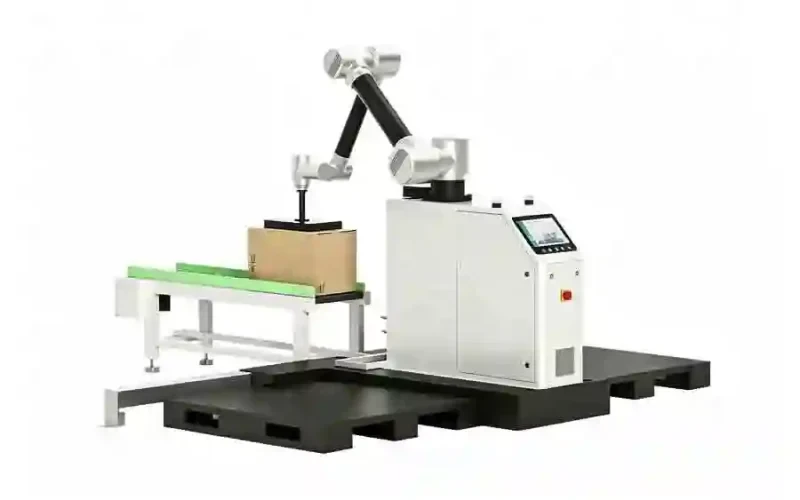
Palletizers
After sealing, palletizing machines automatically stack cartons onto pallets in organized patterns, preparing them for storage or shipment and reducing labor requirements.
By integrating these systems with a carton sealing machine, manufacturers can build a highly automated packaging line that increases throughput, maintains consistent packaging quality, and improves overall operational efficiency across industries such as food and beverage, pharmaceuticals, consumer goods, and electronics.