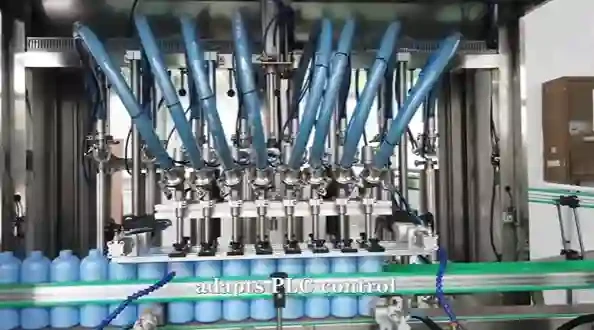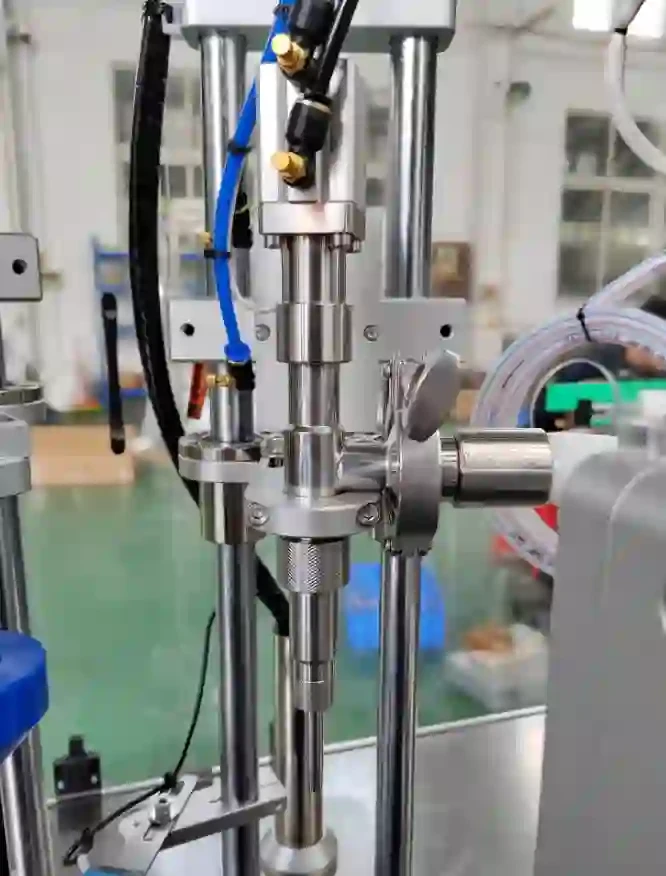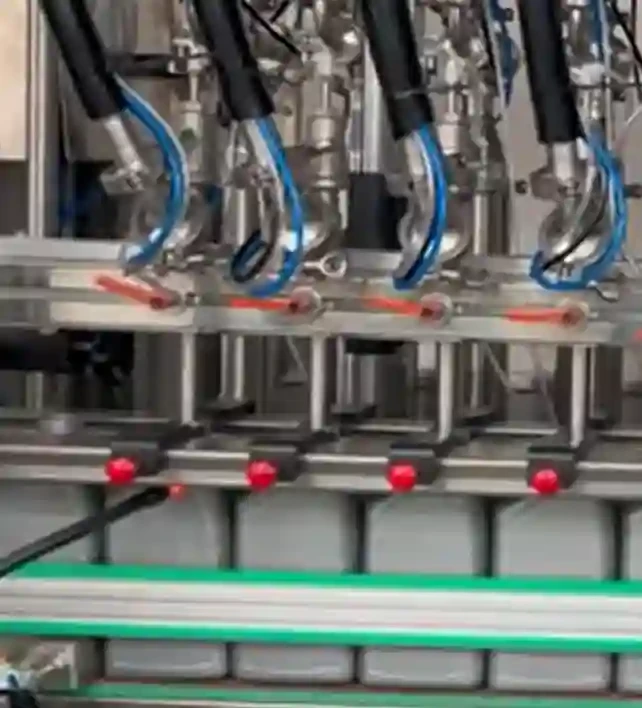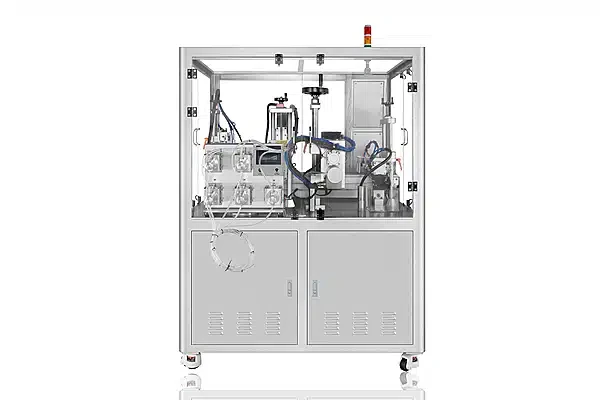
Selecting the correct shampoo filling machine is more than simply comparing advertised output rates. It needs to accommodate your actual shampoo formulation, control excessive foaming, accurately fill each bottle, and provide consistent production outputs.
Before you purchase an automated shampoo filling machine, consider the following six key points so that you will be able to determine if the equipment will meet your production needs.
Why Is Shampoo Filling Challenging?
Shampoo formulas have different viscosities and how easily they flow. When you use surfactants in your shampoo, it causes a lot of foam, but if you have a product that is very thick, it will drip down from the nozzle when you fill up the bottles. Your bottles can come in many shapes and sizes and so do their necks; both of these things can make a difference in how well you are able to fill each one.
So, use actual shampoo and bottles for testing, rather than using water tests and/or specifications from a machine.
6 Essential Tests Before Buying a Shampoo Filling Machine
1.Test Your Actual Shampoo Formula
Water tests are only part of the process. Request that the supplier test your most viscous shampoo/conditioner using the same testing method as they would use during full-scale production. Evaluate the material flow characteristics, continuous filling performance stability, and how much product is left behind after the trial.
2. Verify Filling Accuracy
Test different bottles at each step (startup, continued operation, and restarting) of the process. Record the amount of liquid being put into each bottle (target volume), how much liquid was actually put into each bottle (actual filling quantity), and the difference between the two (variation). Agree upon what constitutes acceptable variation prior to making a purchase decision.
Accurate filling preserves the uniformity of products while preventing excessive use of materials.
3. Check Foam Control
Excessive foaming can lead to overflows, product residues, and delay of the capping process. Therefore, evaluate bottom-up filling; use appropriate nozzle design and variable filling speed.
Test the machine at the speed you will use in production, so that it effectively controls the foam without reducing your output.
4. Measure Actual Production Output
Advertised speeds do not always translate into the acceptable final product output. There are many factors that contribute to reducing the amount of actual production from the advertised speed. Some of these include equipment malfunctions (downtime), quality control issues with the bottles produced (rejects), replenishing materials required for producing products (material replenishment), and issues associated with equipment that is located downstream from the packaging machine.
Ask the supplier to show you how they can produce continuously rather than just what their nominal speed is.
5. Evaluate Changeover and Cleaning
Changeover efficiency is critical if you are producing several shampoo formulations or several sizes of bottles. Review the ability to adjust filling parameters; your ability to store recipes; and how easy it is to access pumps, valves, hoses and nozzles for cleaning purposes.
Measure the full changeover period, which starts when the last good bottle of a particular item leaves the line, and ends when the first good bottle of the next item enters the line.
6.Check Bottle and Production Line Compatibility
Verify the actual bottles, caps, and pump dispensers you will use. Verify that the bottles are in the correct position on the conveyor, that the conveyor is stable, that the nozzle is far enough from the bottles, and that the capping machine works properly.
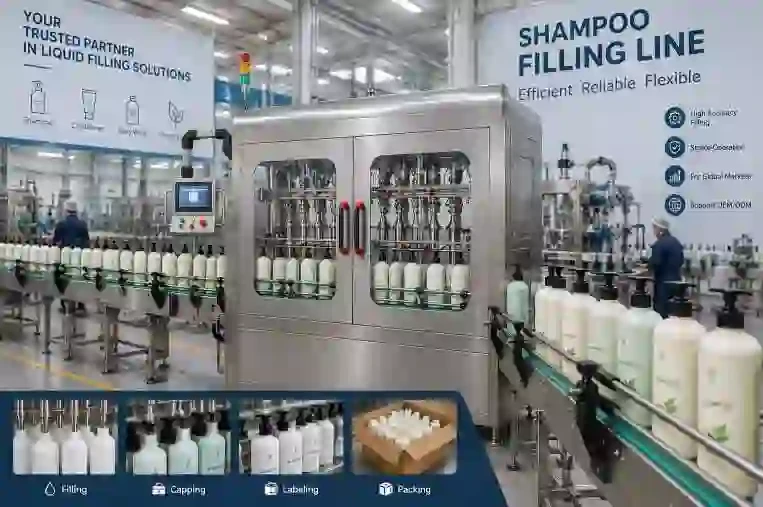
To create an entire shampoo filling line, make sure all parts of the process — such as filling, capping, labeling, and transporting — are operating smoothly.
Which Type of Shampoo Filling Machine Should You Choose?
Different filling technologies suit different products and production requirements.
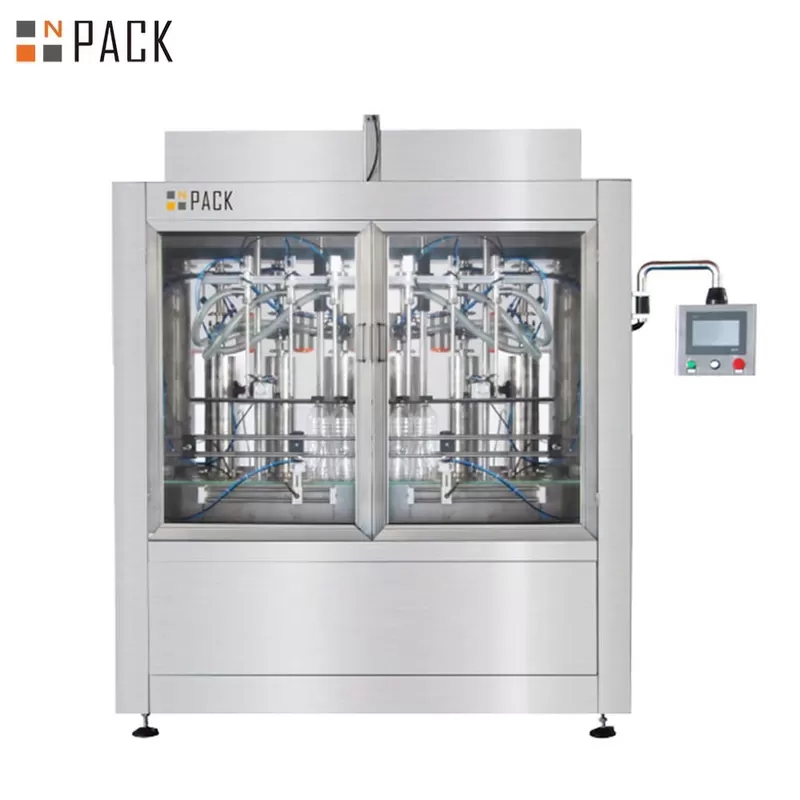
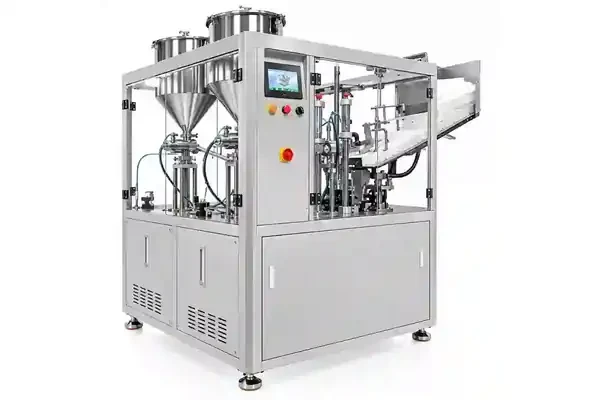
Piston Filling Machine
Suitable for thick and viscous shampoos, with high filling accuracy and versatility.
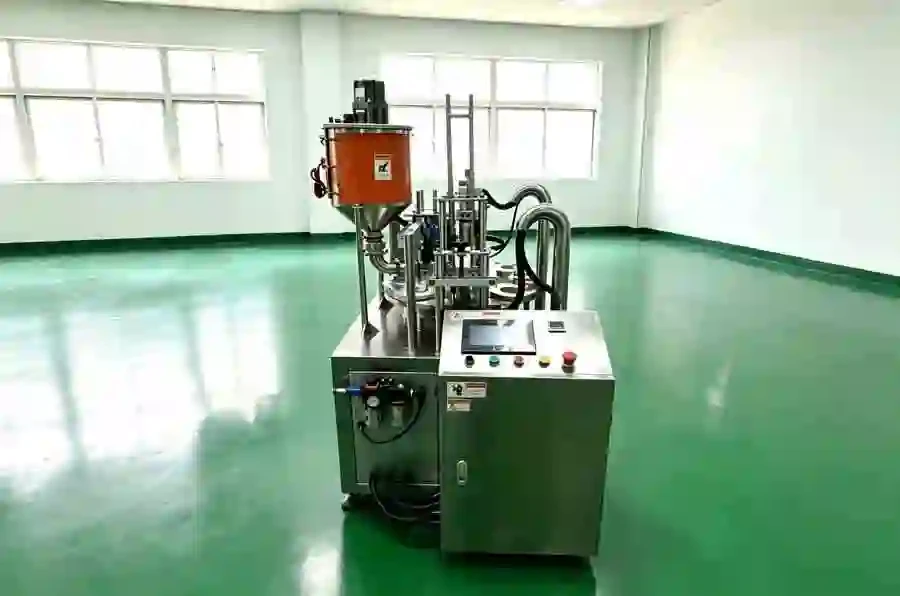
Gear Pump Filling Machine
Continuous and efficient filling with smooth, stable operation.
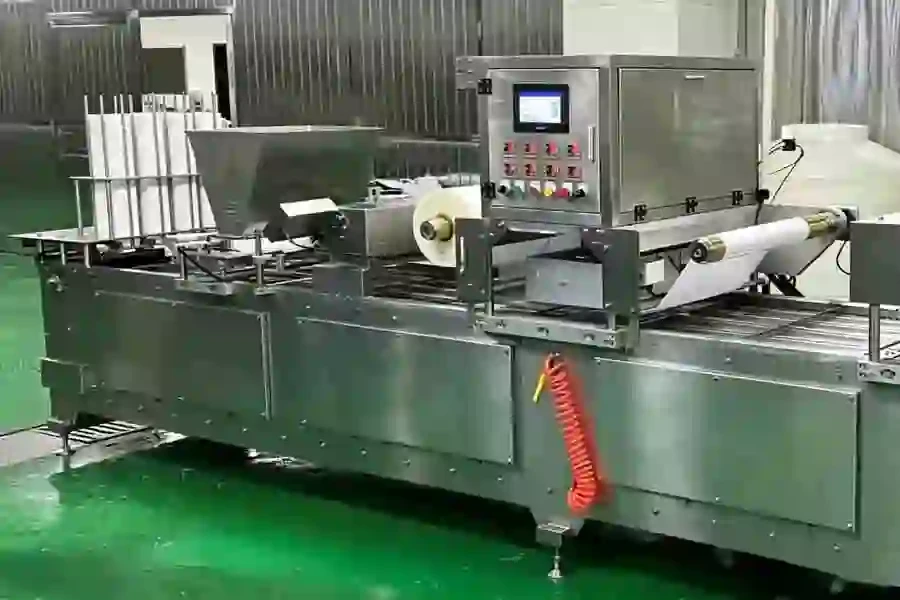
Ideal for medium- to high-viscosity liquids containing soft micro-particles.

How Much Does a Shampoo Filling Machine Cost?
The cost of a shampoo filling machine is based upon several factors, including: the degree of automation, the type of filling technology being used, how many filling nozzles are installed, the machine’s production capability, what types of bottles it can accommodate, as well as if there are any additional packaging options available.
Installation, commissioning, training, maintenance and post sales service can have an impact on the overall cost of ownership.
In addition to the initial cost of purchasing the equipment, when you are comparing quotes for a piece of machinery, make sure to include all of the other associated costs such as operational costs, maintenance costs, lost production time due to down-time, and lost products.
The objective is to select a machine that provides consistent results and reasonable operational costs, rather than selecting the machine based on its lower initial cost.
What Information Should You Send to the Supplier?
To get a good recommendation for a machine and an accurate quote, please provide us with the following information:
- Product Details:Shampoo type, viscosity, temperature and foaming characteristics .
- Packaging details: Bottle volume, bottle dimensions, and cap or pump type.
- Production Needs: Number of bottles to be produced each hour, range of products available, and how often changes can occur.
- Project requirements: include whether you want a stand-alone machine or a full filling line; your space available for installation; and when you would like the product delivered.
Providing the details above will allow the manufacturer to provide an appropriate setup for your product and minimize unexpected adjustments to the product once it has been ordered.
Final Thoughts: Choose Proven Performance, Not Just Speed
The ideal shampoo filler must provide consistent accuracy of product delivered into containers, control of excessive foam generation during operation, high-volume production output, and quick transitions between products.
Prior to buying, try using your actual shampoo, make sure that the bottle you are going to purchase is compatible with your current dispenser, determine what the cost will be for operating the machine, and agree upon what your requirements for accepting the product from your supplier will be.
Looking for a shampoo filling machine for your production line?
Share with us what type of products you produce, the size of each product’s container, and how many units of that product you plan on producing per month so we can work together to determine which of our machines would be most appropriate for your needs, as well as provide you with a customized quote.
Request a Customized Shampoo Filling Machine Quote Today.