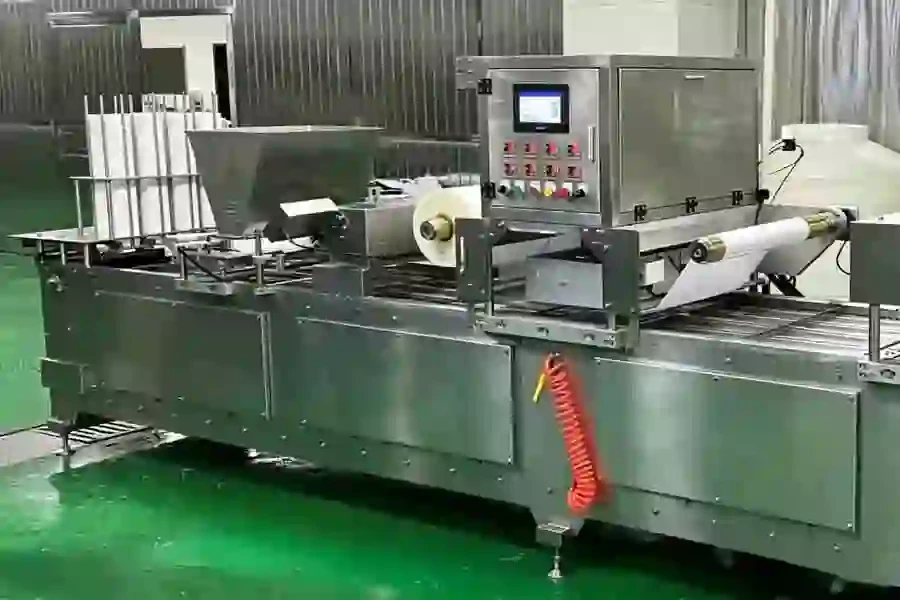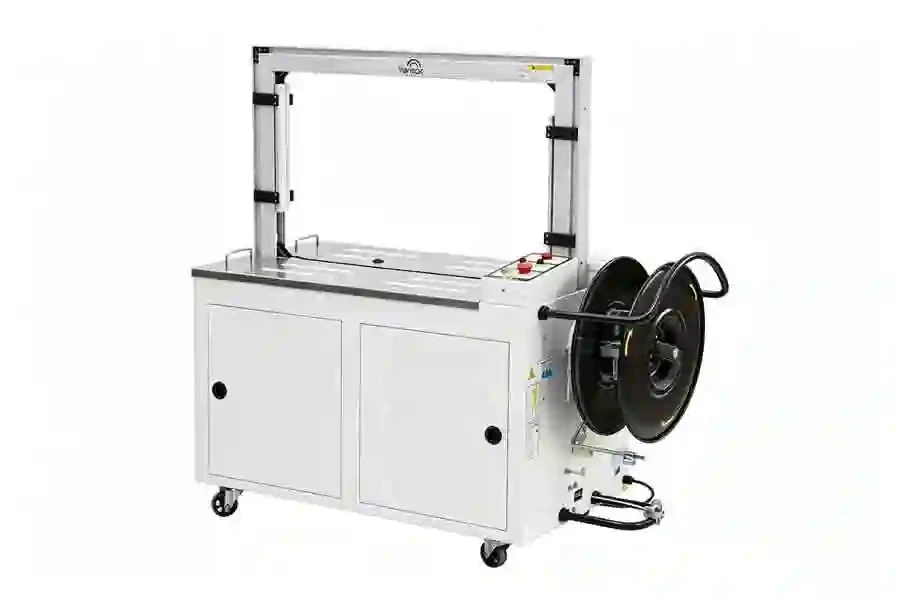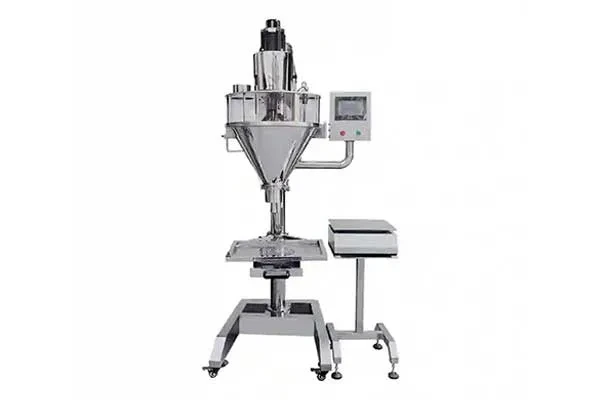
Npack has extensive project experience in oil filling machines, providing complete oil production line solutions to customers worldwide, including companies such as SIGMAR, E. Atalyk, Gulf, and Shell. Based on this expertise, we would like to share some key insights and recommendations on oil filler machines below.
Oil
Oil is a liquid that is insoluble in water but miscible with other oils; it is primarily composed of hydrocarbons, and its viscosity varies with temperature.
Based on their origin, oils can be classified into vegetable oils, animal oils, and mineral oils, and they are widely utilized in fields such as food, fuel, lubrication, and industrial manufacturing.from wikipedia
Types of Oil
There are many types of oils commonly found on the market—such as cooking oils, olive oils, vegetable oils, and lubricants, among others. Below, we present a classification of these oils.
Edible Oils: Such as soybean oil, peanut oil, olive oil, sesame oil, etc.
Characteristics: Intended for direct human consumption, requiring extremely high hygiene standards; covers a wide viscosity range (from thin salad oils to viscous sesame oils).
Lubricating Oils: Such as engine oil, gear oil, hydraulic oil, etc.
Characteristics: Possess a very broad viscosity range (from low-viscosity hydraulic oils to high-viscosity gear oils).
Industrial and Fuel Oils: Such as transformer oil (for insulation), thermal oil (for heat transfer), white oil (as a chemical feedstock), gasoline, diesel, etc.
Characteristics: Flammable and explosive; highly volatile.
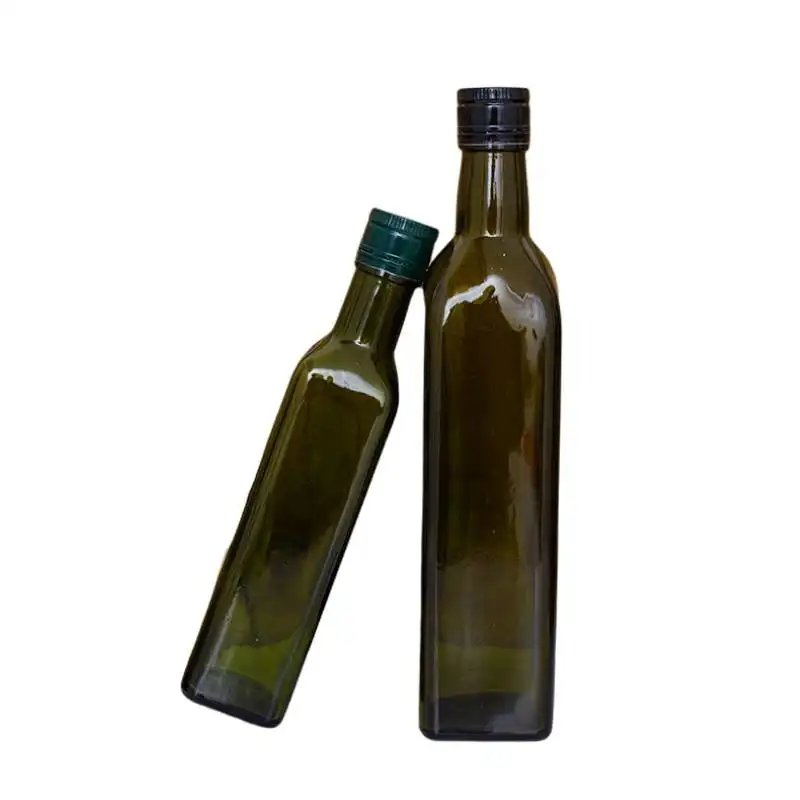
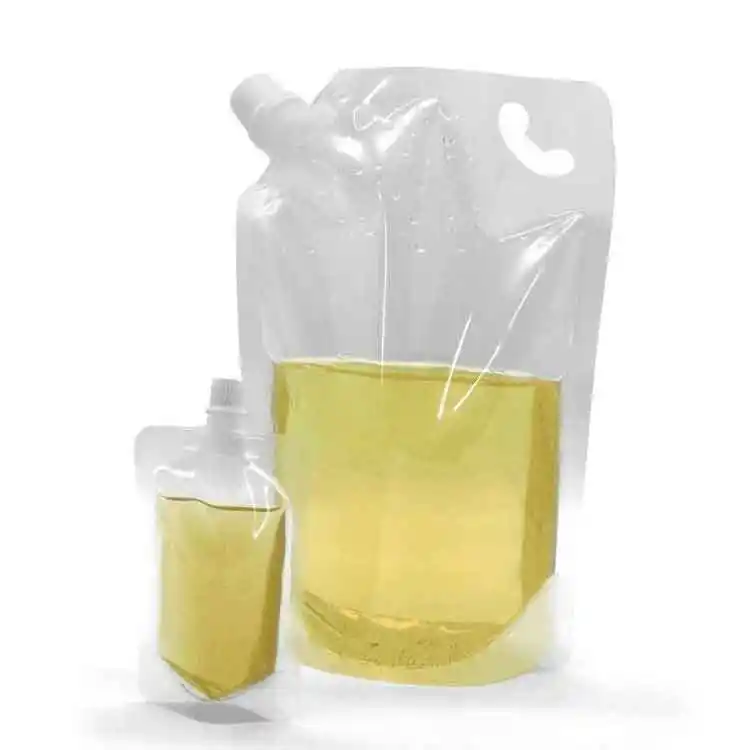
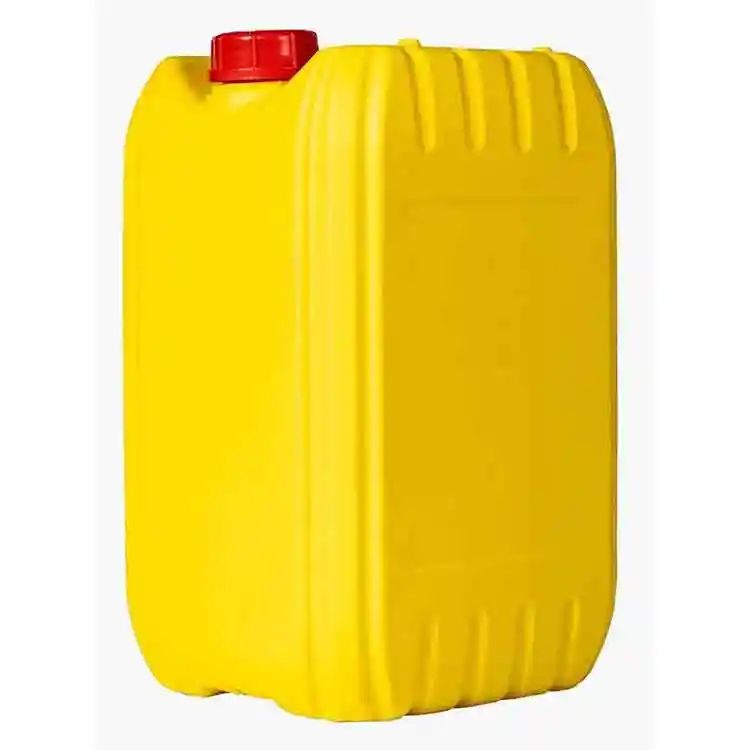
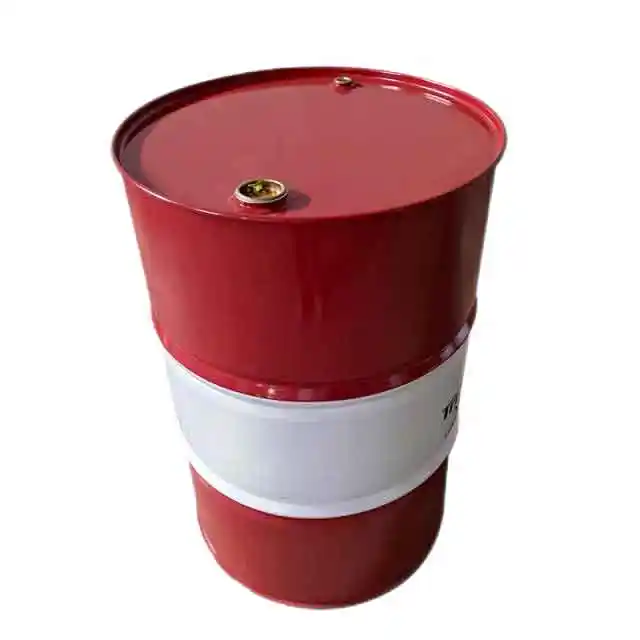
Oil Packaging Types
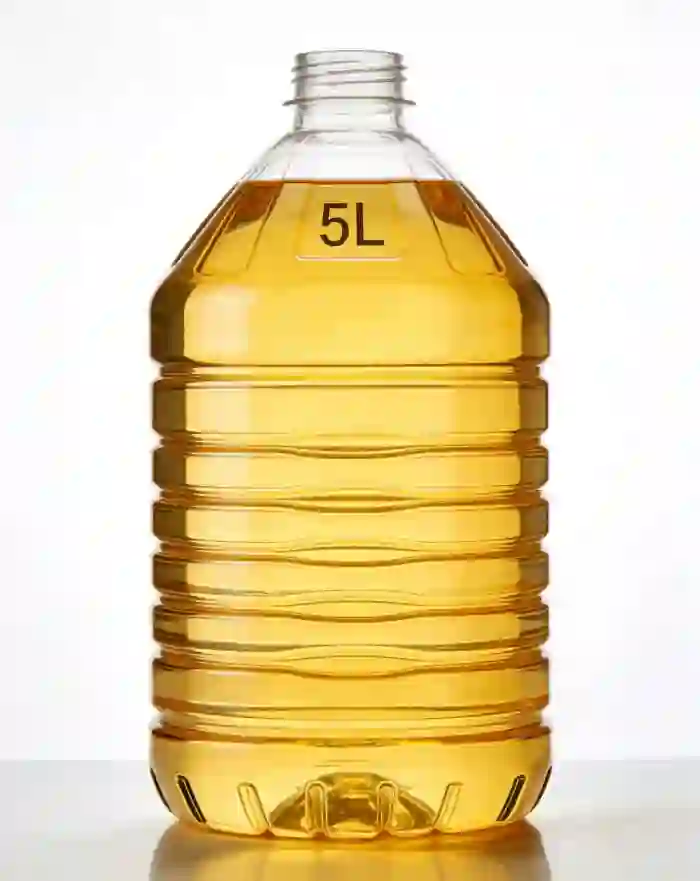
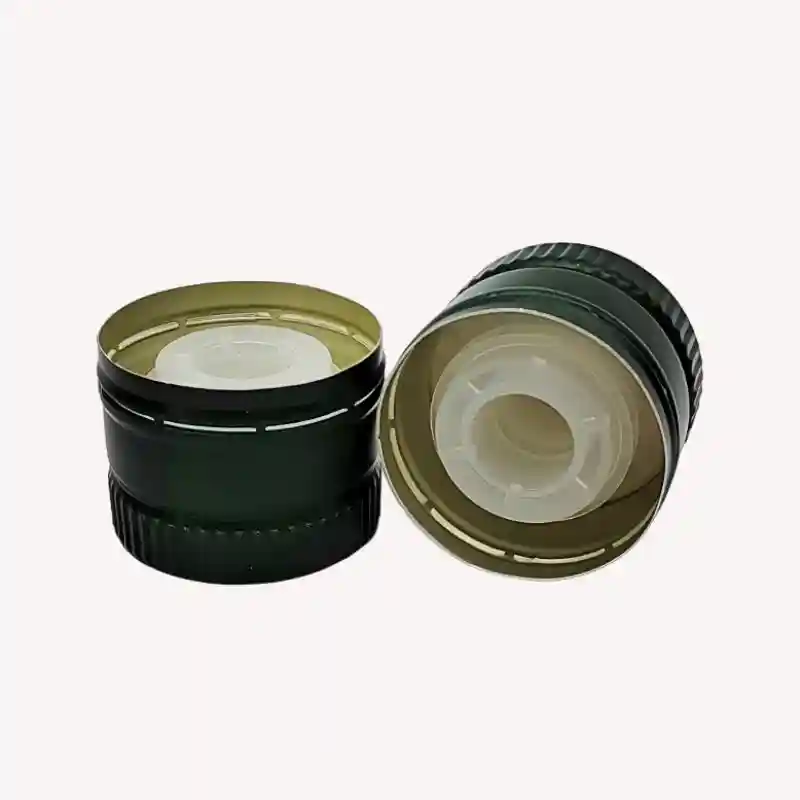
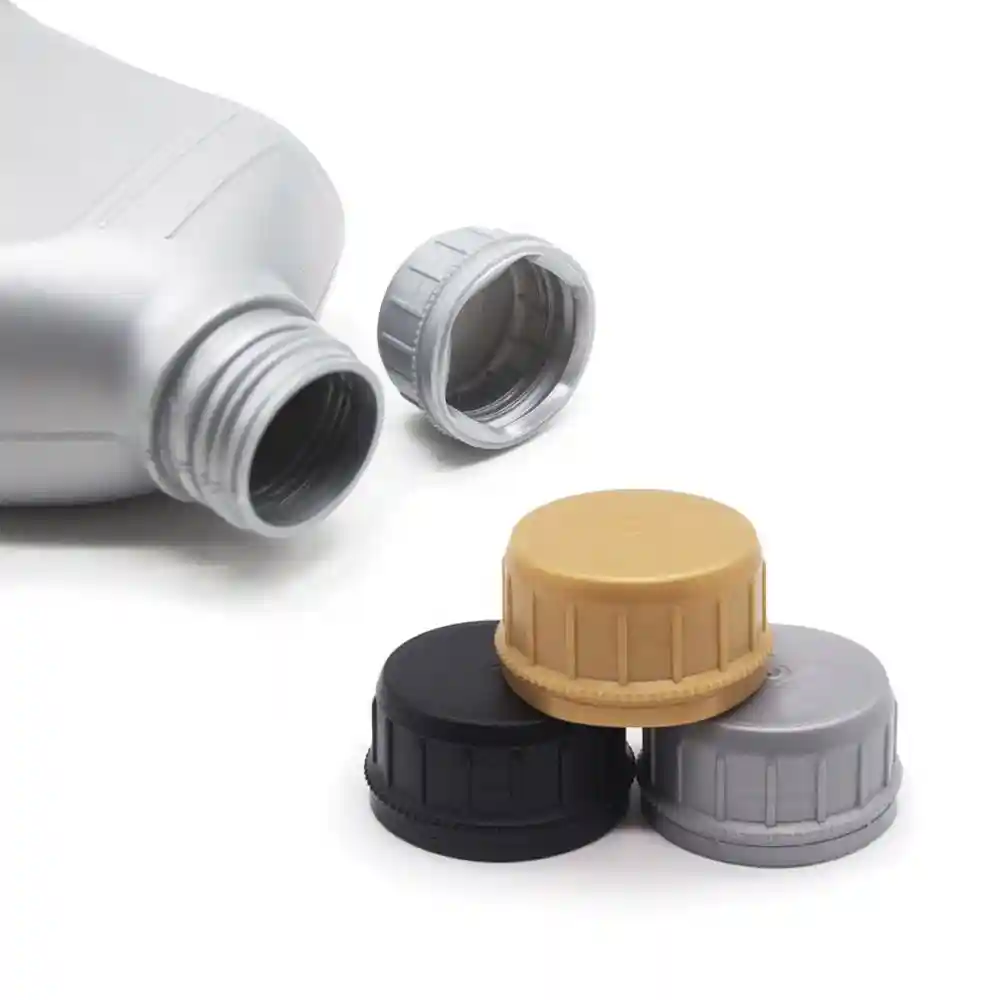
Oil Bottle Cap Types
Each type of oil bottle is designed to match a specific cap style. Here are some of the most common oil bottle caps:

What Is Oil Filling Machine?
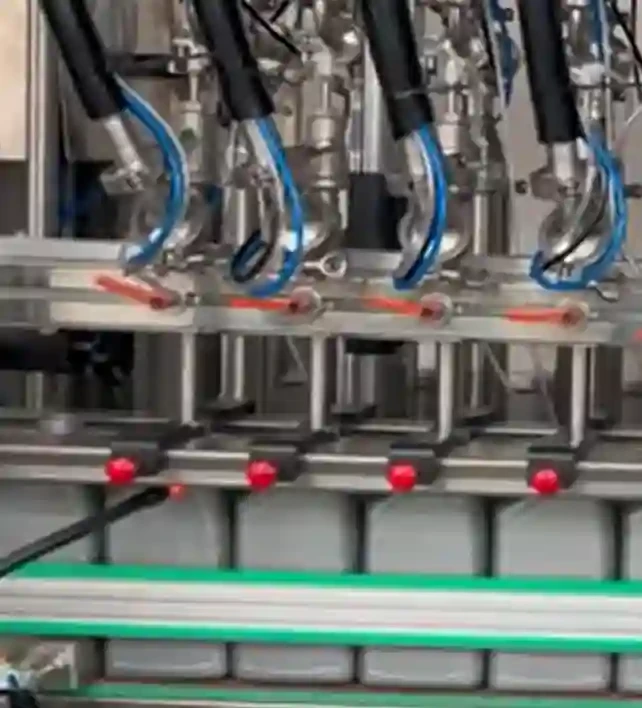
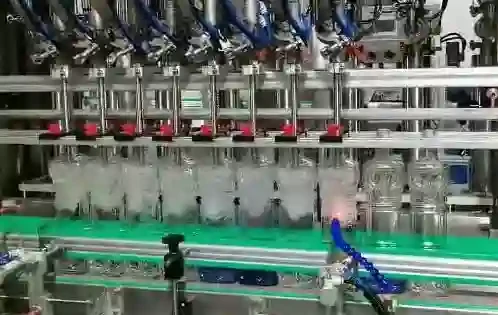
An oil filling machine is an automated industrial device designed to dispense various types of oils—such as edible oils, lubricants, or motor oils—into containers such as bottles, jars, or drums. By ensuring both efficiency and precision in the filling process, it significantly enhances operational efficiency and productivity.
Types of Oil Filling Machines
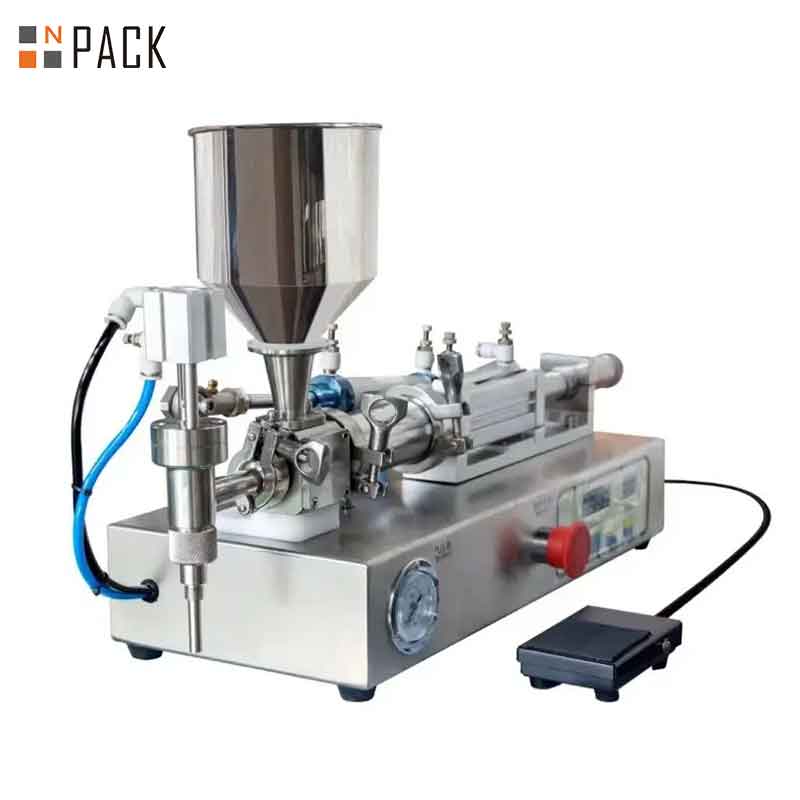
Semi-automatic Filling Machine
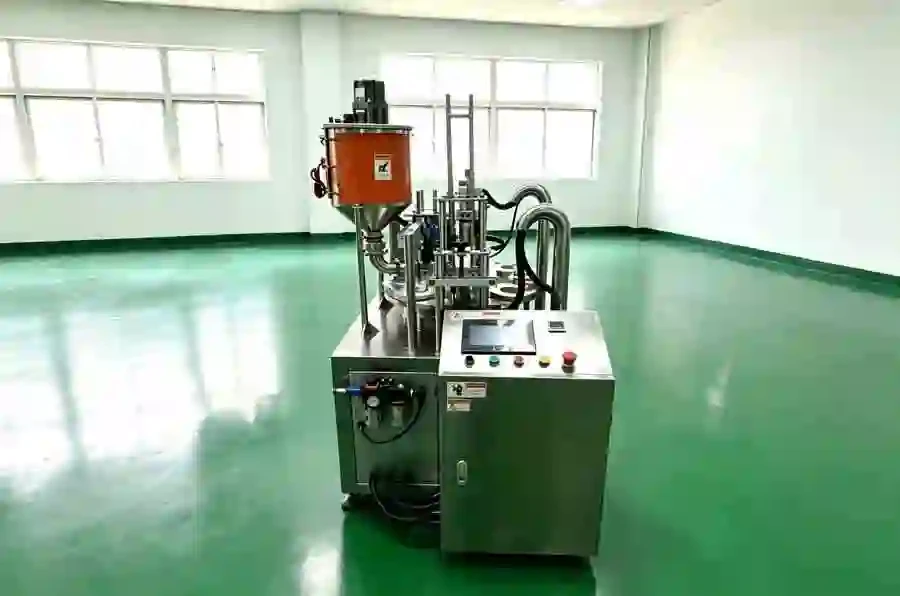
A semi-automatic filling machine carries out the filling process based on preset programs, while operators oversee quality control and make necessary adjustments. It is ideal for small-scale production environments, offering a practical balance between manual operation and fully automated systems.
Full Automatic Filling Machine
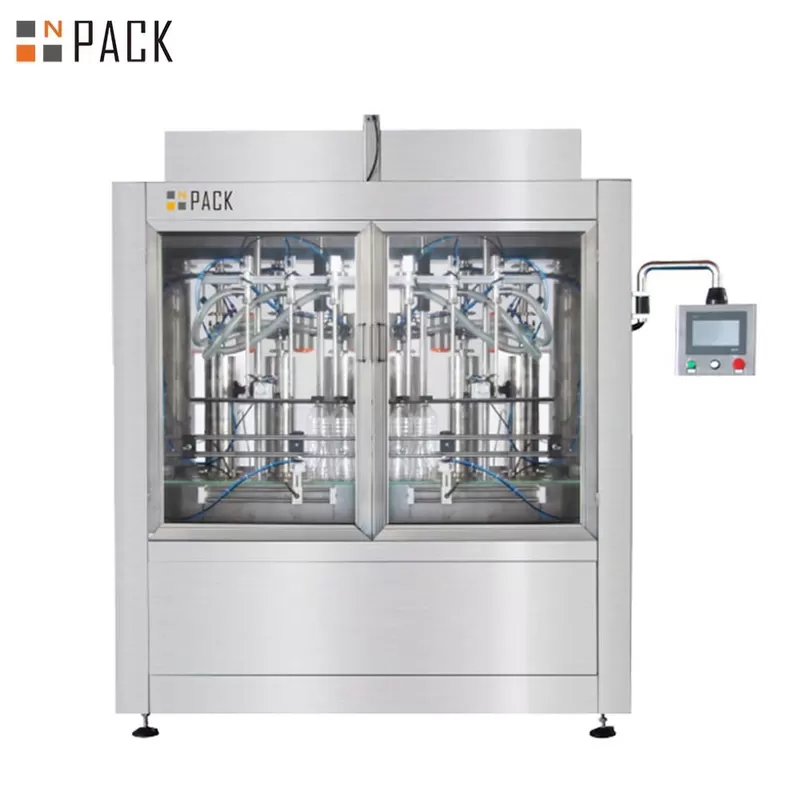
Fully automatic filling machines are the most efficient and reliable solution for high-volume production. Designed for continuous operation, they significantly reduce labor requirements while delivering precise, consistent filling performance. With advanced automation control, these systems ensure high accuracy, repeatability, and stable output, making them ideal for large-scale manufacturing environments.
How Does Oil Filling Machine work?
1.Container Placement
The operator places empty containers onto the rotary table, which then organizes and aligns the containers, allowing them to be sequentially conveyed via the conveyor belt to the filling station.
2.Filling Activation
The operator uses the control panel to configure the required filling volume and other relevant parameters.
3.Liquid Dispensing
A piston draws the liquid from the storage tank and delivers it to the filling nozzle, which subsequently injects the liquid into the container.
4.Filling Accuracy Verification
Sensors and detectors are employed to monitor the process, ensuring that the volume of liquid injected into each container is precise and accurate. Should any deviation occur, the system immediately initiates corrective measures.
5.Container Removal and Cycle Repetition
Once filled, the containers are conveyed along the production line to the labeling or subsequent processing stations; the entire operational cycle then restarts for the next container.
Components of an Oil Filling Machine
1. Conveying System
Primarily used to transport containers; includes: conveyor belts (chain plates or belts), infeed screws, star wheels, positioning cylinders, and container discharge guides.
2. Filling System
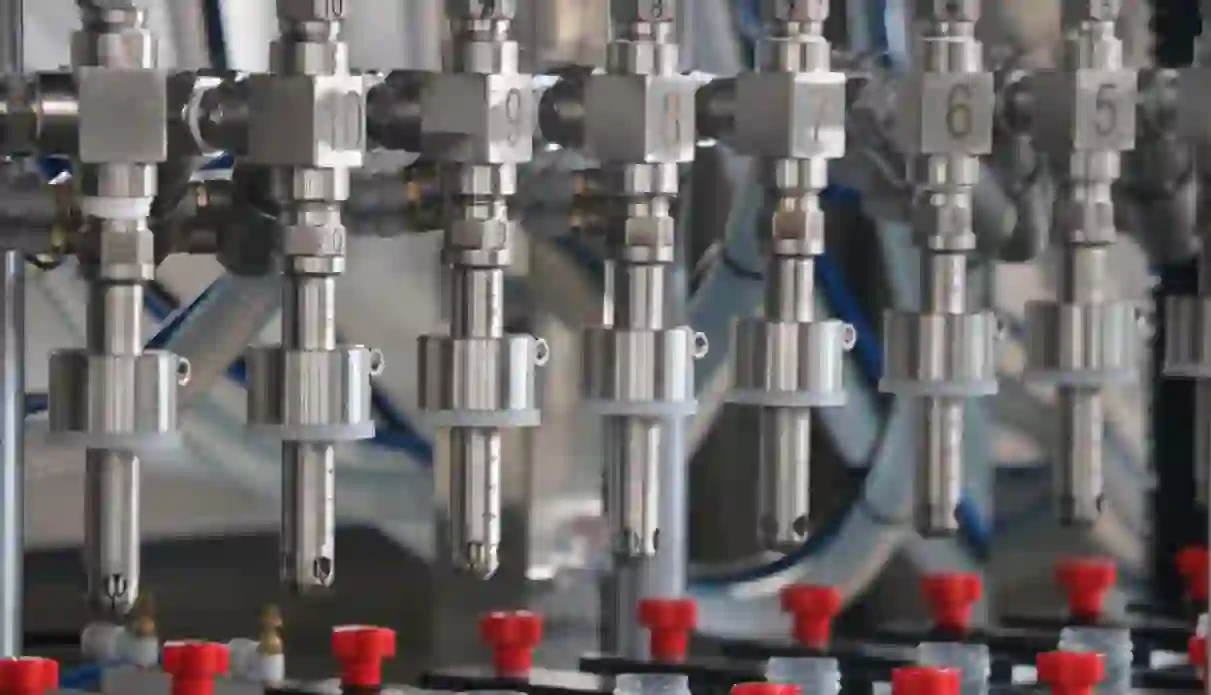
Primarily responsible for quantitatively dispensing oil into containers; includes: filling heads, precision pumps, filling valves, anti-drip devices, etc.
3. Supply System
Primarily used to store liquid oil and ensure a stable supply to the filling mechanism; includes: hoppers/storage tanks, piping, transfer pumps, etc.
4. Control System
Integrates PLC (Programmable Logic Controller) and HMI (Human-Machine Interface) technologies to achieve precise and flexible control over the filling process; includes: PLC units, touch screens, photoelectric sensors, etc.
5. Frame System
The entire framework is constructed from 304/316 stainless steel to comply with GMP standards; components include the stainless steel machine frame, protective enclosures, safety doors, electrical cabinets, etc.
What Are the Main Components of a Fully Automatic oil Bottling Machine?
- Automatic Rotary Bottle Turntable
- Automatic Oil Filling Machine
- Automatic Oil Capping Machine
- Double Sides Labeling Machine
- Automatic Carton Erector
- Automatic Carton Loader
- Automatic Carton Sealing Machine
- Palletizer
How to Choose an Oil Filling Machine?
To choose the right oil filling machine, first identify your production capacity and the type of oil you will handle. Select equipment that matches your daily output requirements, while considering differences in oil viscosity that may affect performance. The right machine ensures efficient production, consistent filling accuracy, and reliable product quality.
1.Small-Volume Oil (100ml–6000ml)
Based on the specific characteristics of the oil and the required filling volumes, we recommend utilizing a high-precision piston-type filling machine. By employing volumetric metering principles and anti-drip suction technology, this machine precisely addresses challenges related to viscosity fluctuations and foaming. It ensures a filling process that is free of drips, minimizes foaming, and maintains high precision—thereby providing comprehensive, stable, clean, and efficient assurance for your oil filling operations.
2.Medium-Capacity Industrial Oil (10L–30L)

We recommend utilizing a gravimetric filling machine. Based on high-precision weight measurement principles, this system provides real-time weight feedback control directly to the target container, thereby fundamentally eliminating the impact of liquid viscosity, air bubbles, or temperature fluctuations on filling accuracy. Integrating automatic positioning, rapid filling, and precise valve-closing functions, the system achieves a leading-edge accuracy of ±0.1% and effectively prevents dripping, thereby comprehensively enhancing the accuracy, efficiency, and operational safety of large-container filling processes.
3.Large-Capacity Industrial Oil (50L–300L)
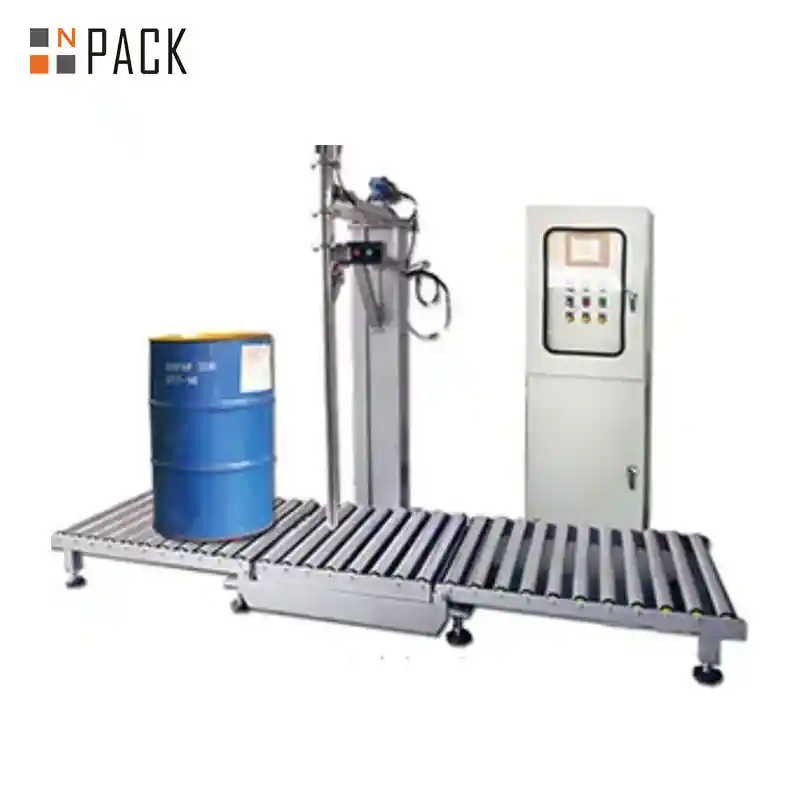
We offer gravimetric filling systems with capacities ranging from 50 to 300 liters. Employing direct weighing technology, the system monitors and dynamically adjusts flow rates in real time, thereby fundamentally eliminating the impact of viscosity and temperature variations on filling accuracy. Equipped with automatic positioning, explosion-proof features, and rapid docking mechanisms, the system achieves a filling precision of ±0.05% and ensures fully enclosed operation throughout the process, significantly enhancing the accuracy, safety, and operational efficiency of large-capacity filling tasks.
How to Choose an Oil Capping Equipment?
Choosing the right capping machine is essential for smooth and efficient packaging of liquid oils. Below are some suggestions to the capping machines suited for the most common types of oil bottle caps:
1.oil bottle-snap cap
The press capping machine is ideal for snap caps, offering stainless steel durability, scratch-free handling, and automatic tight pressing. Fast, reliable, and suitable for food, soy sauce, vinegar, and oil bottles.
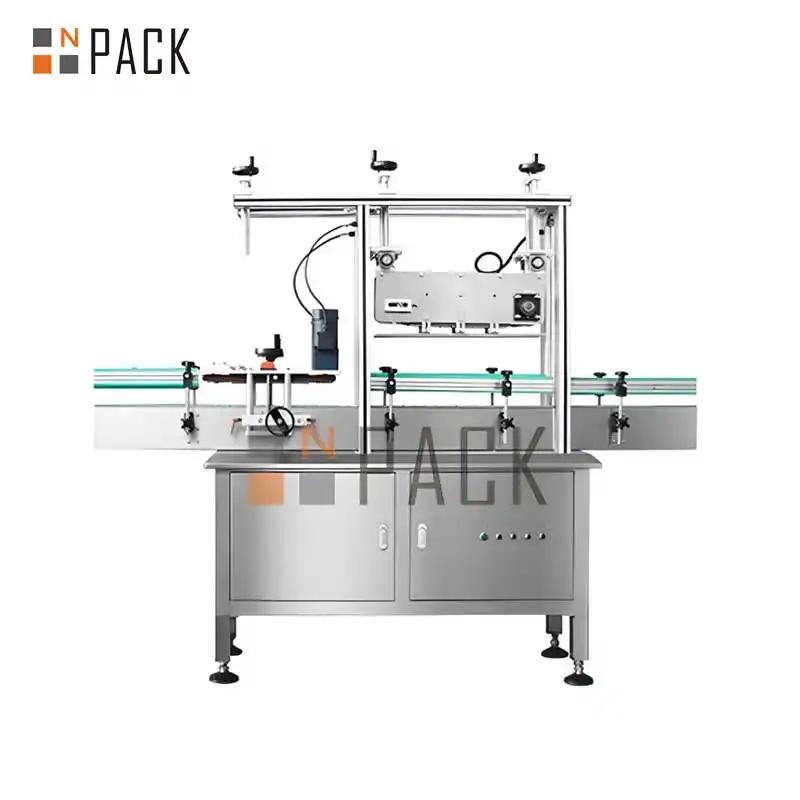
2.oil bottle-ropp aluminum cap
The ROPP capping machine is perfect for aluminum pilfer-proof caps on wine, oil, and beverage bottles. It automatically feeds, rolls, and tightens caps for secure, tamper-proof sealing.
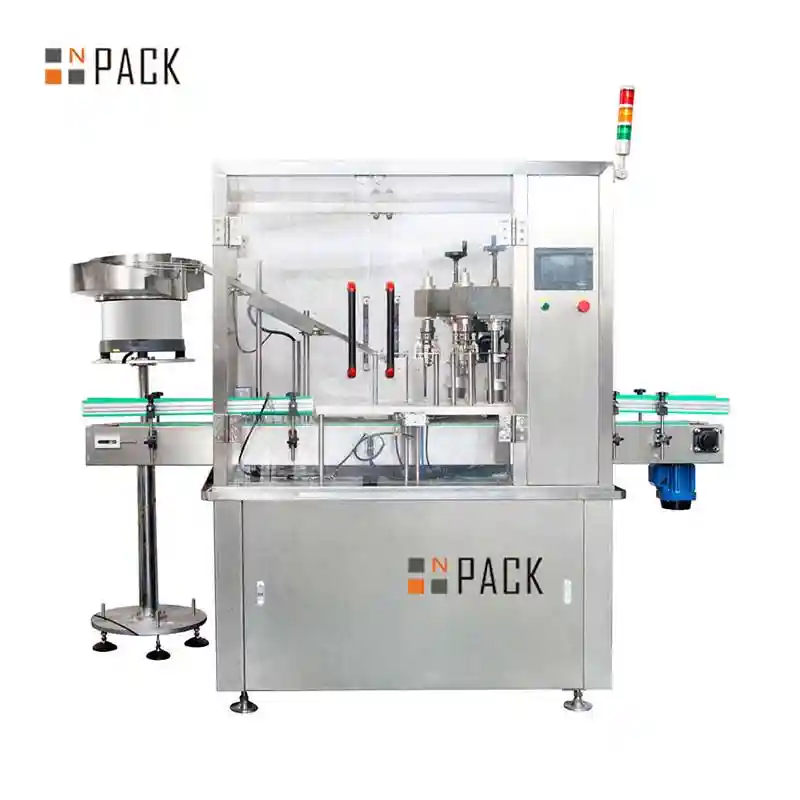
3.oil bottle-screw cap
The spindle capping machine is perfect for screw caps, providing fast, accurate capping for various types and bottle shapes with adjustable spindles and a universal cap chute.
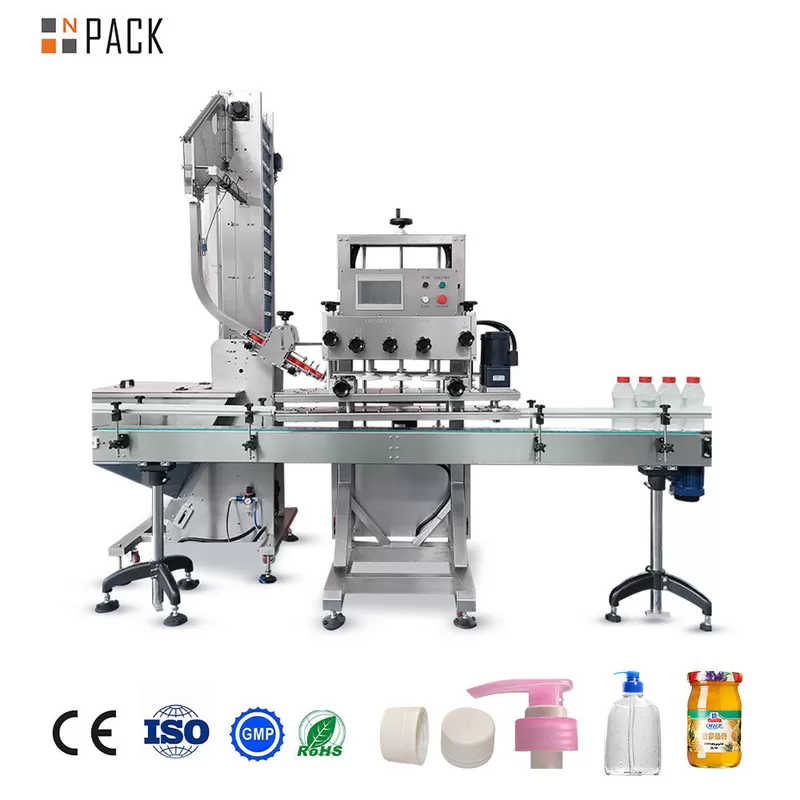
What Support Services Are Available for Oil Filling System Installation and Operation?
To keep your oil filling line running smoothly from setup through daily production, a range of practical support services is typically provided:
1.Equipment Selection & Line Planning
Based on your output targets and product characteristics, engineers can suggest suitable machines and design a layout that improves workflow while making efficient use of available space.
2.On-Site Installation
Technicians handle equipment setup, connection, and adjustment at your facility, ensuring the entire system runs correctly and meets your production requirements.
3.Operator Training
Your team receives hands-on guidance covering machine operation, routine maintenance, and basic troubleshooting, helping them quickly get familiar with the line.
4.Maintenance & Technical Support
Regular servicing and timely technical assistance help reduce unexpected downtime and keep the equipment performing consistently.
5.Upgrades & Optimization
As production needs evolve, system improvements—whether mechanical adjustments or control upgrades—can be implemented to enhance efficiency and stability.
6.Capacity Expansion Support
For growing production demands, additional equipment or flexible upgrade solutions can be introduced without disrupting your current operations.
With these services in place, your oil filling system can maintain stable performance while remaining flexible for future changes.
Case Studies
Npack provides customized oil production lines tailored to client requirements, significantly boosting their production efficiency.
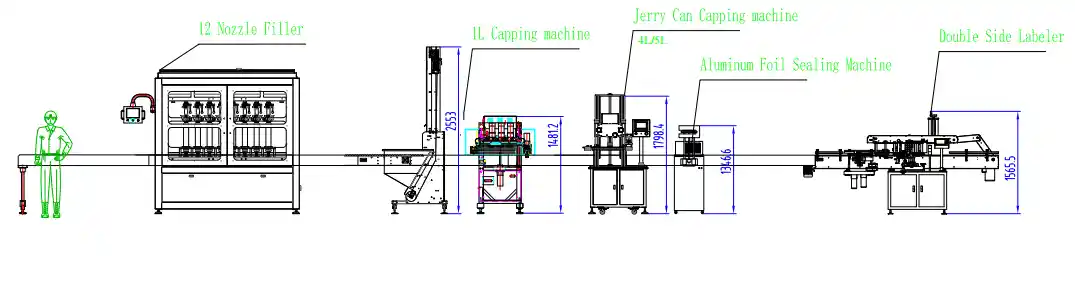
Case 1: lubricant Oil Filling Production Line Project in the Philippines (2023)
Project Background: Custom-designed for a new factory in the Philippines, tailored to its production capacity and workshop layout.
Products Filled: Lube oil, motor oil, and similar oils.
Key Requirements: Efficient filling, reliable sealing, automatic weight checking, and carton sealing.
Solution: A fully integrated production line was customized, including a 12-head filling machine, 1 L and 4–5 L capping machines, an aluminum foil sealing machine, and a two-side labeling machine.
Project Outcome: The production line operates stably, with precise filling and secure sealing, ensuring the smooth start-up of the client’s new factory.
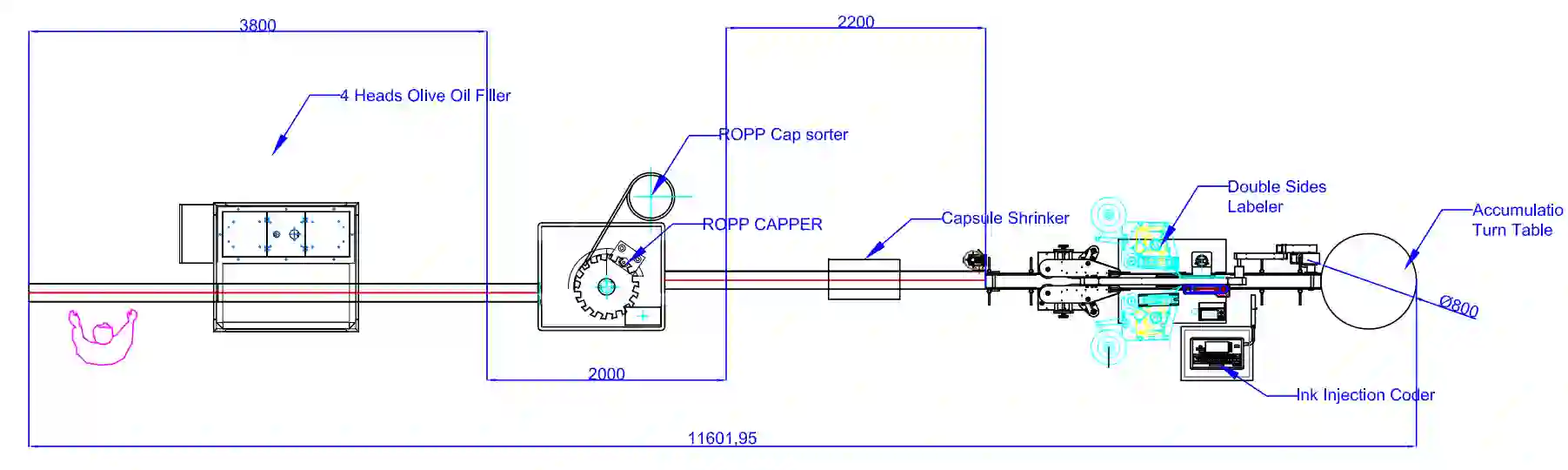
Case 2: Olive Oil Filling Production Line Project in the Australia (2023)
Project Background: To meet growing market demand, an Australian client needed to upgrade their old production line. Npack provided a customized olive oil filling line solution tailored to their requirements.
Product Filled: Olive oil
Key Requirements: High-precision filling and reliable sealing.
Solution: A fully integrated production line was customized, including a bottle unscrambler, 4-head filling machine for oil, capping machine, two-side labeling machine, and inkjet coder.
Project Outcome: The new line was successfully commissioned, significantly improving production efficiency and meeting market demand.
Conclusion
In summary, oil filling and packaging require careful consideration of both the type of oil and the production scale. With a wide range of oils—edible, lubricating, or industrial—choosing the right filling and capping equipment ensures efficient, precise, and reliable operations.
Npack’s solutions, from semi-automatic to fully automatic filling machines and specialized cappers for snap, ROPP, and screw caps, are tailored to meet these needs. Real-world projects in the Philippines and Australia demonstrate how customized production lines can enhance efficiency, maintain product quality, and support smooth factory operations, making Npack a trusted partner for modern oil packaging solutions.