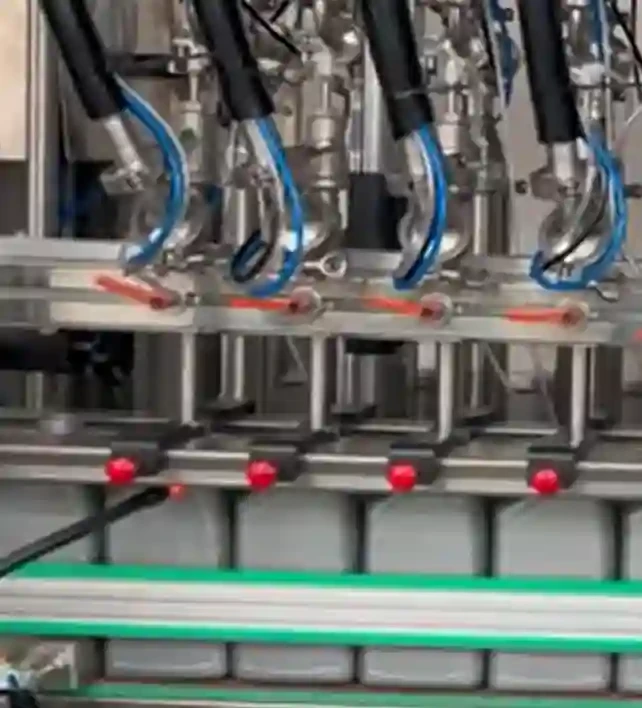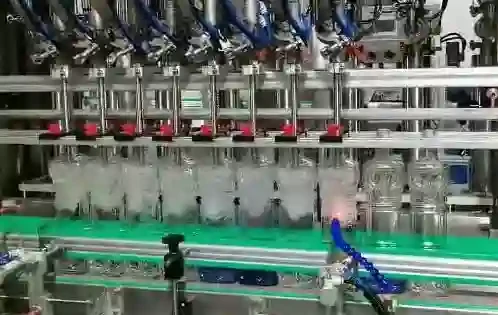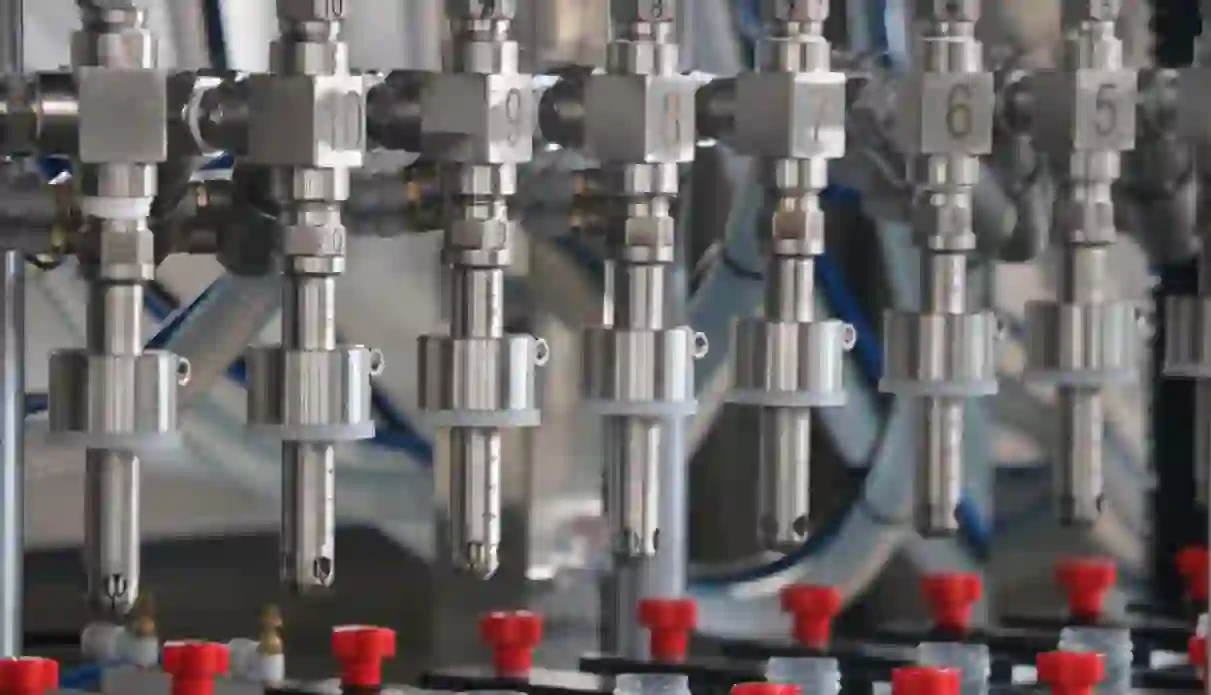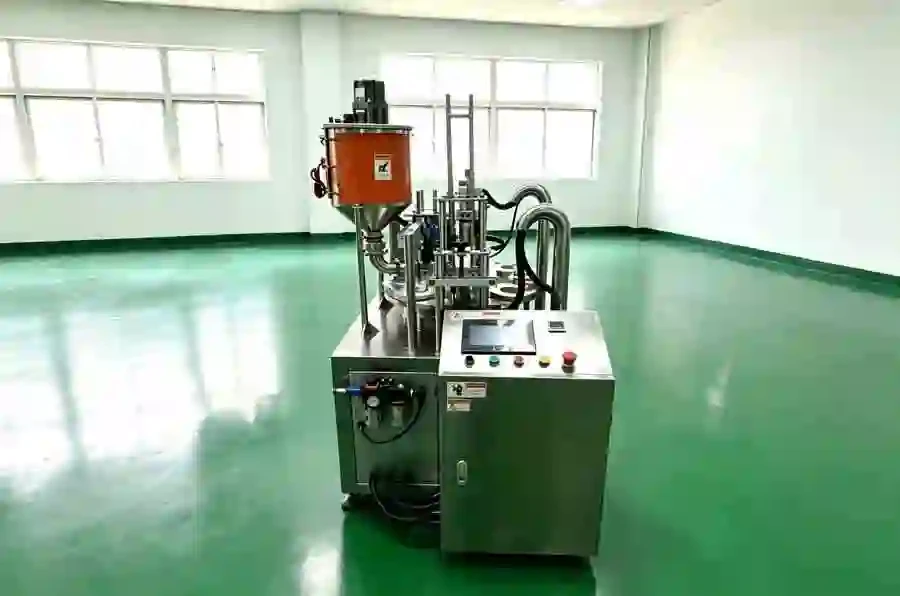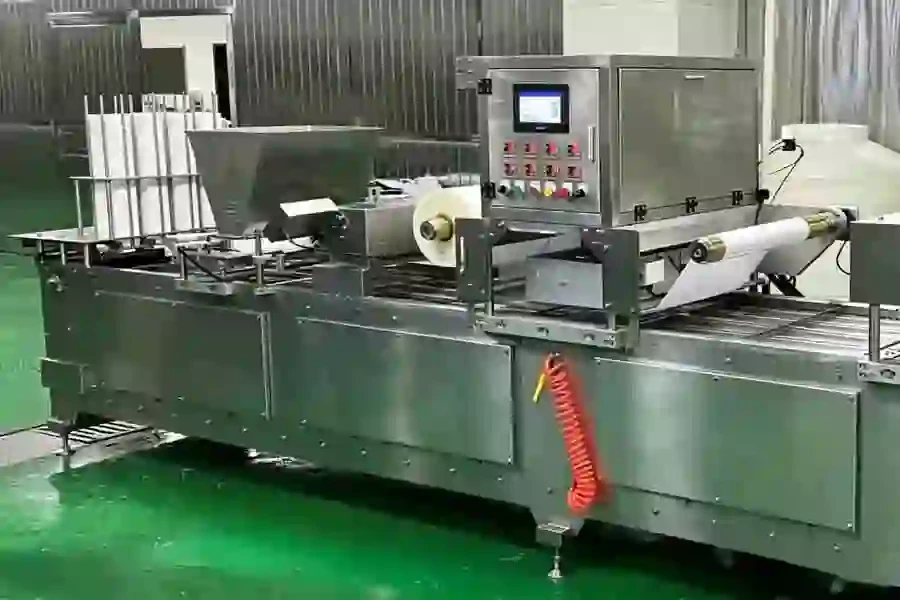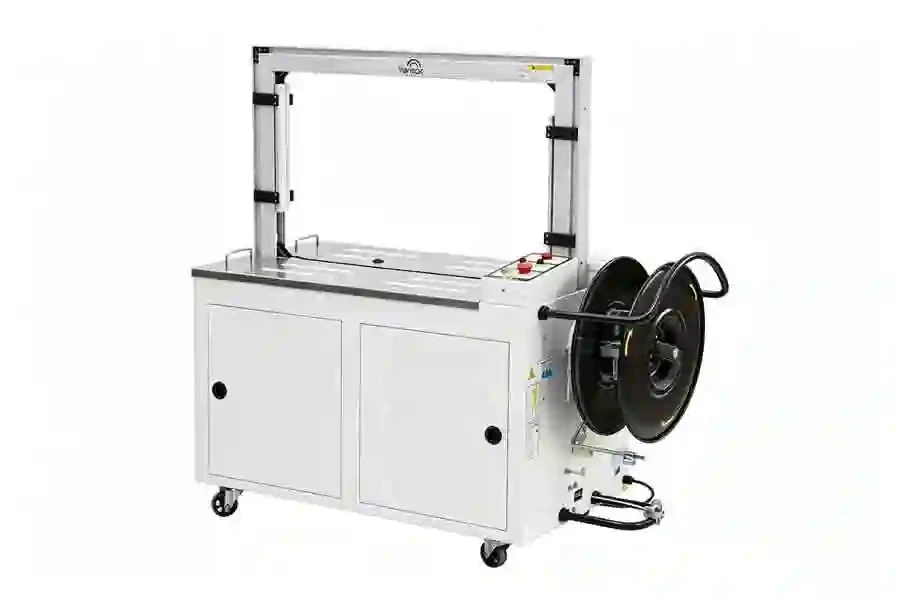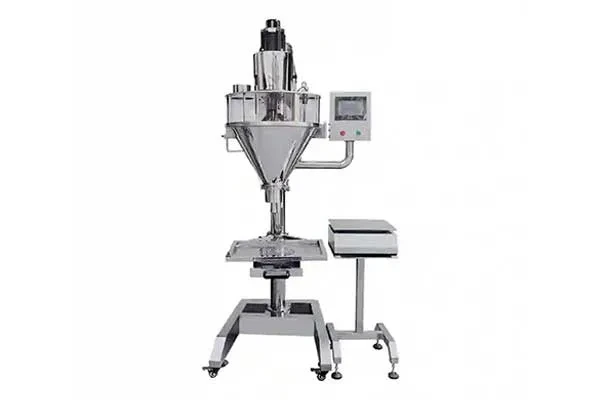
As a leading specialized manufacturer dedicated to hot filling machinery, Shanghai Npack has been deeply immersed in the design, R&D, manufacturing, and sales of filling machines for over 15 years. We have provided professional liquid filling machine solutions to renowned brands such as Esoteric Food, DETCON, and MTENAN. This article provides a detailed overview of various aspects of hot filling machines.
What is a Hot Filling Machine?
A hot filling machine is specialized equipment designed to fill bottles or containers with liquid or semi-liquid products at elevated temperatures. The process begins by heating the product to a temperature sufficient to eliminate harmful microorganisms (typically 85–95°C); the product is then immediately filled into bottles or containers, which are subsequently sealed and cooled to room temperature. This process integrates sterilization with packaging, effectively extending the product’s shelf life while fully preserving its original flavor, color, and aroma. Widely utilized across the food, beverage, and daily chemical industries, this equipment is capable of handling not only liquid food products (such as fruit juices and sauces) but also items that transition into a liquid state when heated—such as candles and solid deodorizers.
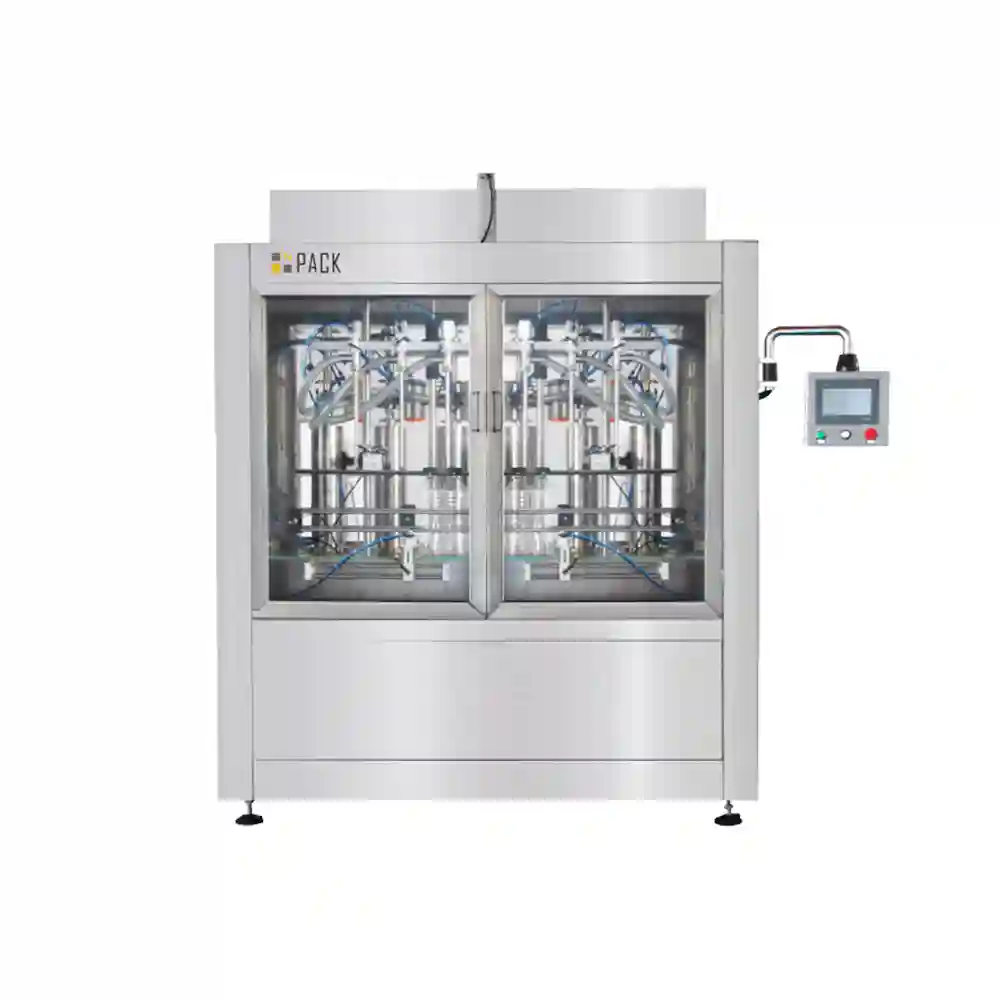
Advantages of Hot Filling Machines
1. Sterilization and Preservation Capabilities
Hot filling equipment utilizes a built-in temperature control system to maintain the liquid temperature between 85°C and 95°C throughout the entire filling process. This high-temperature treatment effectively eliminates residual microorganisms and bacteria within the product, thereby reducing the risk of spoilage and extending the product’s shelf life—often requiring no preservatives, or only minimal amounts. Simultaneously, precise temperature regulation prevents overheating, avoiding damage to the product’s flavor, color, and nutritional content, thereby preserving its original quality.
2. Filling Accuracy and Consistency
Employing piston-based filling combined with high-precision valves and sensors, the equipment controls filling errors to within ±0.5%. The system supports simultaneous filling across multiple stations, ensuring a high degree of consistency in fill volumes across all containers within a single batch, thereby meeting strict quantitative packaging requirements.
3. Automation and Operational Convenience
The entire machine is controlled by a PLC system and equipped with a Human-Machine Interface (HMI), allowing operators to easily set and monitor parameters such as filling temperature, speed, and volume. The equipment automatically executes processes such as container positioning, filling, and sealing, thereby minimizing manual intervention and reducing the likelihood of operational errors. Furthermore, the system features self-diagnostic capabilities for fault detection, facilitating rapid and efficient maintenance.
4. Wide Product Adaptability
This filling equipment is capable of handling a wide range of products, from low-viscosity liquids (such as fruit juices and beverages) to high-viscosity sauces (such as ketchup and jams). It also supports suspensions containing fruit pulp particles or fibers. Additionally, it is suitable for solid products that require heating to a molten state for filling (such as candles, deodorants, etc.). All components of the filling system that come into contact with the product are constructed from 304/316 stainless steel, ensuring compliance with food hygiene and GMP standards.
5. Cost-Effectiveness and Reliability
Compared to aseptic filling processes, the hot filling method eliminates the need for complex sterile rooms and chemical sterilization systems, thereby reducing Capital Expenditure (CAPEX). This technology is highly mature; its core components feature long service lives, maintenance requirements are clearly defined, and training cycles are short—factors that collectively ensure overall Operational Expenditure (OPEX) remains controllable.
6. Aligned with Sustainable Development Trends
The equipment design prioritizes resource conservation; the hot-filling process reduces reliance on chemical disinfectants, while optimized energy efficiency contributes to lower carbon emissions. Furthermore, as the resulting products typically require no added preservatives, they align with the “clean label” market trend, thereby enhancing their competitiveness in the marketplace.
Applications of Hot Filling Technology
Hot filling technology is widely utilized across various industries to ensure product safety, extend shelf life, and maintain consistent packaging quality. By leveraging advanced Npack hot filling machines, manufacturers can achieve reliable performance and flexible production capabilities for a wide range of liquid and semi-liquid products.
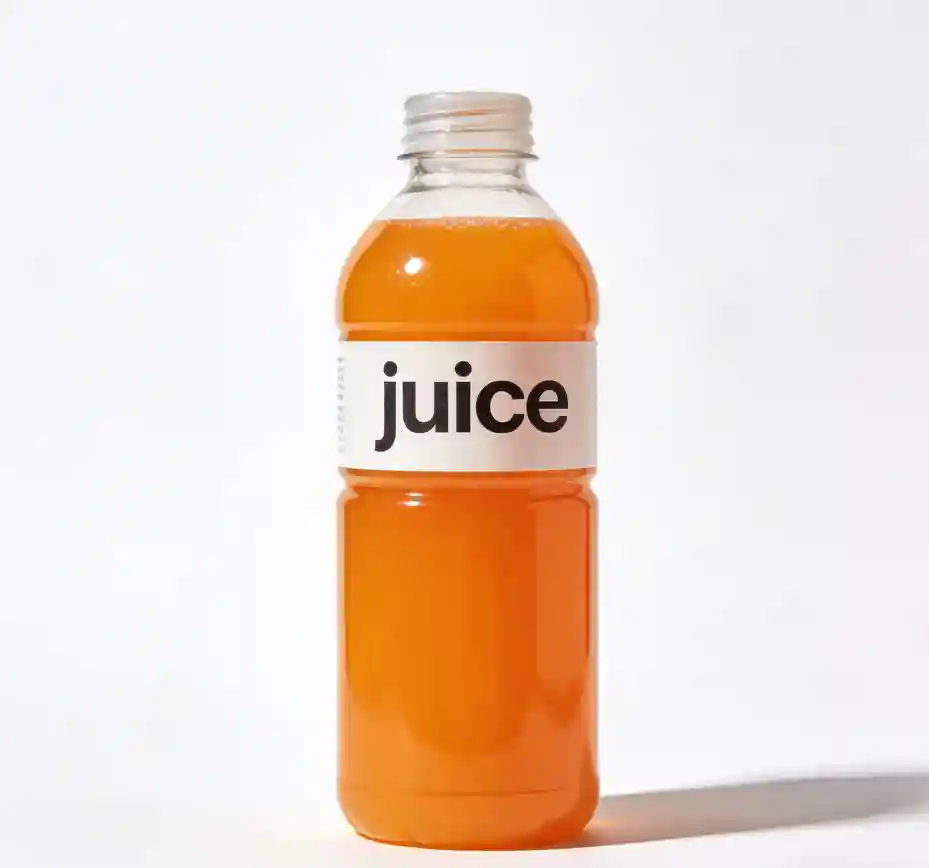
In the beverage industry, hot filling systems are commonly employed to package products such as fruit juices, flavored water, sports drinks, coffee, and tea. The high-temperature filling process helps eliminate microorganisms and preserve freshness while simultaneously reducing the need for additional preservatives.
In the food industry, hot filling machines are ideally suited for handling viscous products or those requiring thermal processing—including sauces, jams, and soups. These products demand precise temperature control during the filling process to maintain their proper texture, hygiene, and shelf stability.
In the cosmetics industry, hot filling machines are particularly well-suited for handling products such as lipsticks and lip glosses; these items are heated to a liquid state for filling, and subsequently cool to solidify into their final form.


How Does a Hot Filling Machine Work?
Npack hot filling machines feature a streamlined, high-efficiency design that ensures ease of operation and maintenance. Their workflow is fluid and precise, guaranteeing stability and reliability at every stage of the process. The specific filling procedure is as follows:
First, the filling machine dispenses precisely heated liquid or semi-liquid products into bottles or containers; this filling operation is controlled by high-precision valves to ensure accurate fill volumes.
Immediately thereafter, the capping machine seals the filled containers, rapidly creating a tight closure that effectively prevents external contamination and safeguards product hygiene.
Once the sealing process is complete, the containers enter the cooling phase, during which the equipment lowers the product temperature to an appropriate level to preserve its quality and stability.
Finally, the cooled products proceed to the labeling and packaging stage, completing all necessary preparations for market distribution.
How Hot Fill Compares To Cold Fill?
The fundamental distinction between hot filling and cold filling lies in whether the product undergoes high-temperature treatment. Hot filling requires heating the product to 85–95°C before filling it into containers; this process utilizes high temperatures to eliminate microorganisms and thereby extend shelf life. It is suitable for heat-resistant or acidic products—such as fruit juices and sauces—though it necessitates heat-resistant packaging and entails higher energy consumption. Cold filling, conversely, is conducted at room temperature and involves no heating; this approach maximizes the preservation of the original nutritional content and flavor of heat-sensitive products, such as milk and nutritional beverages. While it offers greater flexibility in packaging choices and lower energy consumption, cold filling typically results in a shorter shelf life, often necessitating refrigeration or the addition of preservatives. The choice between these two processes ultimately depends on the specific characteristics of the product: hot filling trades off increased energy consumption and packaging constraints in exchange for an extended shelf life, whereas cold filling preserves the product’s natural quality at the cost of requiring more stringent aseptic standards.
Maintenance and Cleaning Tips for Hot Filling Machines
Hot filling machines are widely utilized across industries such as food, beverages, pharmaceuticals, and cosmetics to fill products at high temperatures, thereby ensuring their shelf life and quality. To guarantee the smooth and efficient operation of the machine, proper maintenance and cleaning are paramount. The following are some practical tips designed to help extend the equipment’s lifespan and maintain optimal performance.
First and foremost, it is essential to adhere strictly to the manufacturer’s maintenance guidelines, which include periodically inspecting components—such as valves, pumps, and heat exchangers—for any signs of wear. It is recommended to keep detailed records of all maintenance activities (including inspection, repair, and replacement dates) in order to formulate a comprehensive maintenance schedule.
Cleaning and hygiene are critical aspects of hot filling machine maintenance. Since the machine processes high-temperature products, it is imperative to prevent the accumulation of residues or contaminants, which could otherwise compromise the quality and safety of the filled products. Regularly cleaning the machine’s internal surfaces—such as filling nozzles, piping, and storage tanks—helps prevent the buildup of debris and inhibits bacterial growth.
When cleaning, use cleaning agents and methods that are compatible with the machine’s construction materials; the use of food-grade cleaning agents specifically designed for high-temperature environments is highly recommended. Following the cleaning process, ensure that all components are thoroughly rinsed and sanitized to eliminate any residual cleaning agents.
In addition to routine daily cleaning, periodic deep cleaning and sanitization are also required. This may involve disassembling the machine to access and clean hard-to-reach areas—such as valves and seals—thereby facilitating a more thorough cleaning and sterilization process. The frequency of deep cleaning should be determined based on production volume and the specific type of product being filled.
Furthermore, pay close attention to the condition of seals and gaskets. These components are vital for preventing leaks and ensuring the integrity of the product seal. Regularly inspecting these parts and promptly replacing any that are worn or damaged can effectively prevent contamination and minimize product loss.
Finally, proper storage and handling when the machine is not in use are equally important. The machine should be stored in a clean, dry environment, away from potential sources of contamination or risks of physical damage. Correct handling and transportation procedures help prevent physical damage and ensure that the machine’s performance remains unimpaired.
In summary, the maintenance and cleaning of hot filling machines serve as the foundation for ensuring their long-term, efficient operation. By adhering to the manufacturer’s guidelines, implementing regular cleaning and sanitization protocols, and closely monitoring the condition of critical components (such as seals), you can ensure that your equipment continues to consistently produce high-quality products.
How to Choose the Right Hot Filling Machine?
Before purchasing or investing in a hot filling machine, it is essential to clearly understand the specific characteristics of your products and your production volume requirements, as most such packaging equipment involves customized solutions. Selecting the right equipment not only ensures smooth production operations but also helps control costs and safeguard product quality over the long term.
First, the type of product being filled is a critical factor. Different products require varying temperature ranges and filling conditions. For instance, fruit juice may need to be filled at around 85°C, whereas wax-based cosmetics or certain cleaning chemicals may require significantly higher temperatures. Therefore, understanding your product’s temperature sensitivity and viscosity is crucial for selecting a machine equipped with the appropriate heating and control systems.
Second, consider the compatibility of the bottles or containers you intend to use. Not all packaging materials can withstand high temperatures. PET, glass, and aluminum are commonly used materials for hot filling; however, the equipment you select must be compatible with the specific container types, shapes, and dimensions utilized on your production line.
Third, production capacity and the level of automation are also vital considerations. Are you a small brand looking to scale up gradually, or a large-scale manufacturer requiring high-speed, fully automated production? Hot filling machines range from semi-automatic units to fully integrated systems; you should select an option that aligns with your specific production volume targets.
Finally, take into account your budget and long-term maintenance requirements. While more affordable equipment may fit your current budget, investing in a durable and easy-to-maintain system can help you avoid the high costs associated with downtime and repairs in the future.
Conclusion
Hot filling technology serves as a pivotal solution within the food and beverage industry for extending shelf life and preserving the authentic flavor of products. With their consistent filling precision and flexible customization options, NPACK hot filling machines effectively meet a diverse range of production requirements—spanning everything from fruit juices to sauces. Choosing NPACK represents not only a reliable investment in safeguarding product quality but also a strategic decision to enhance your brand’s competitive edge.