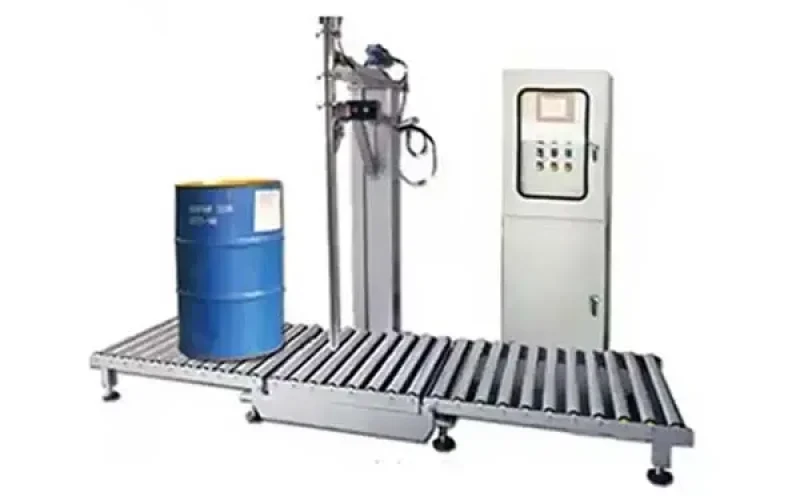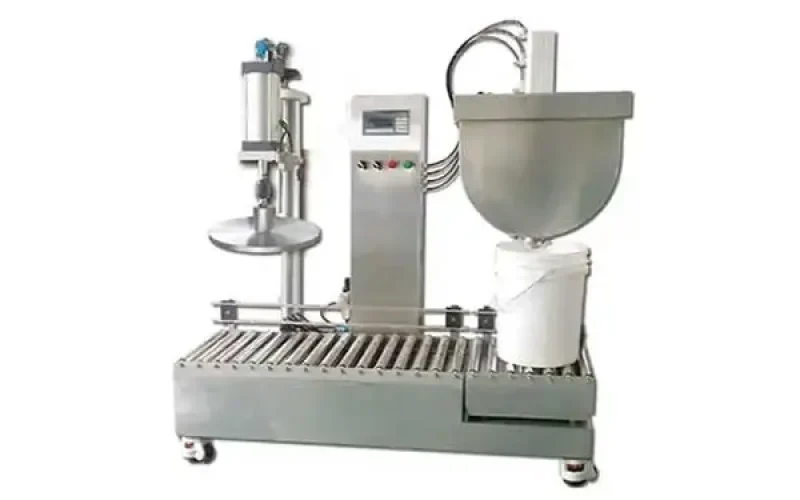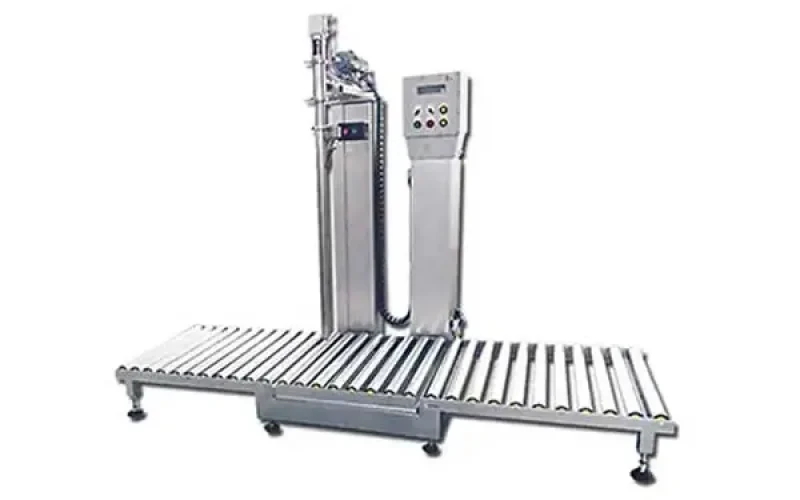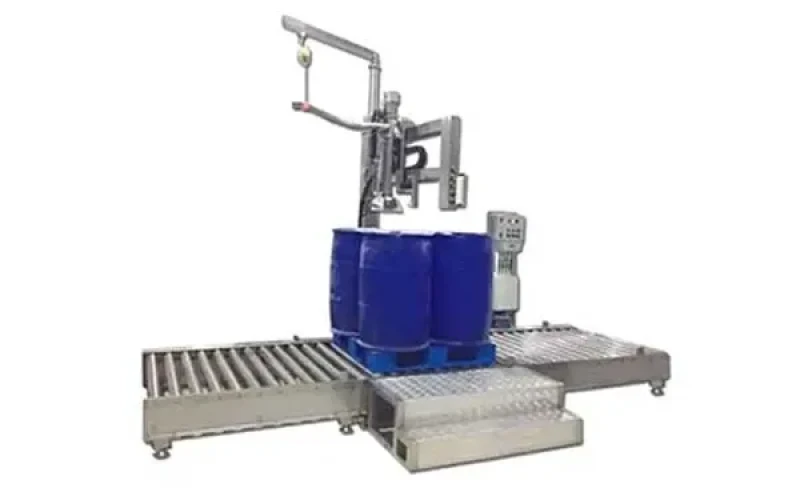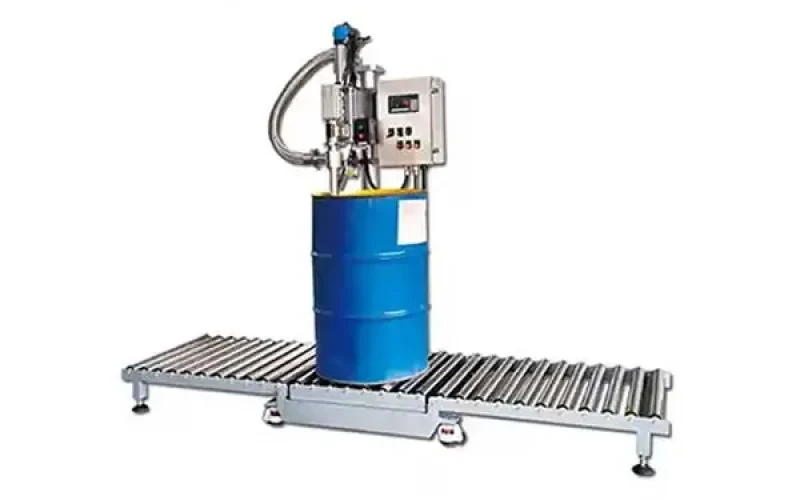
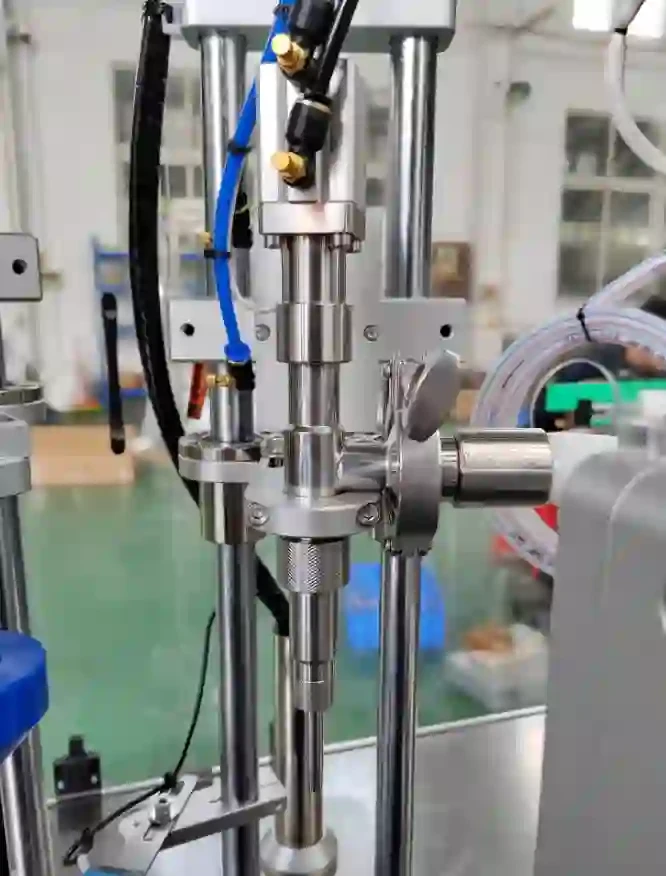

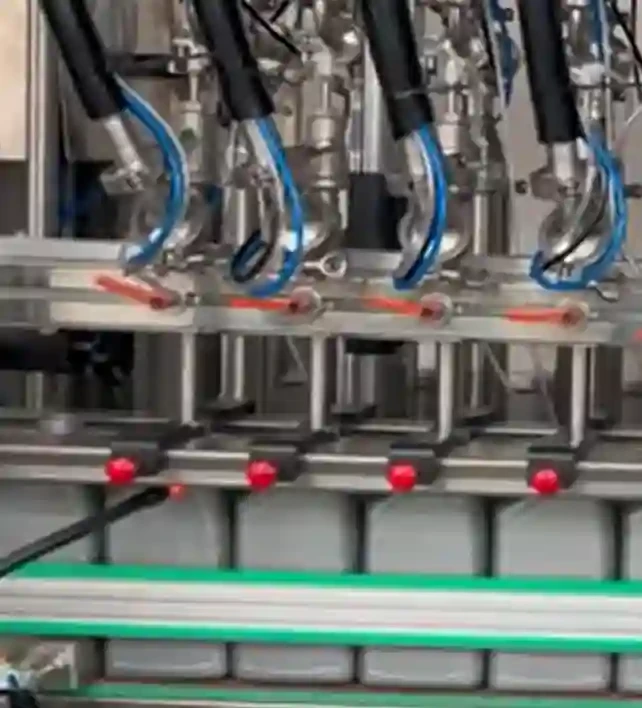
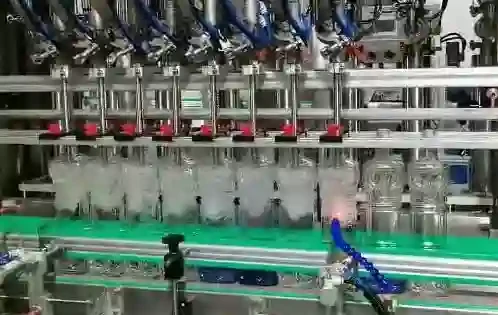
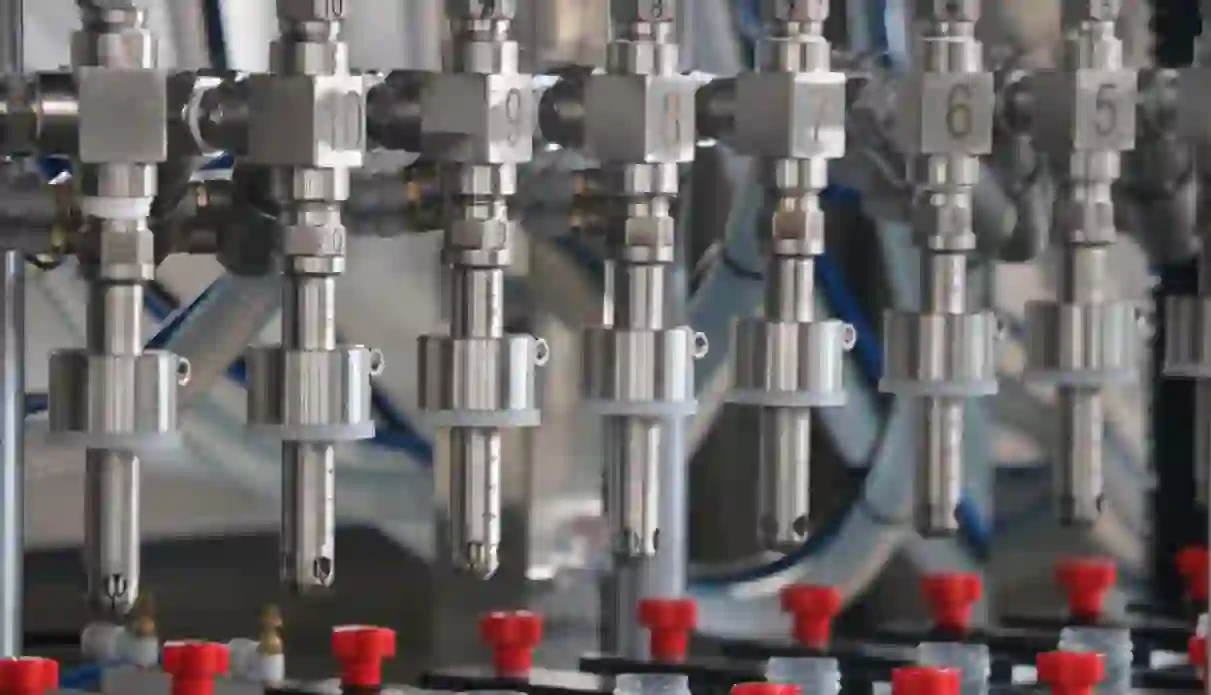
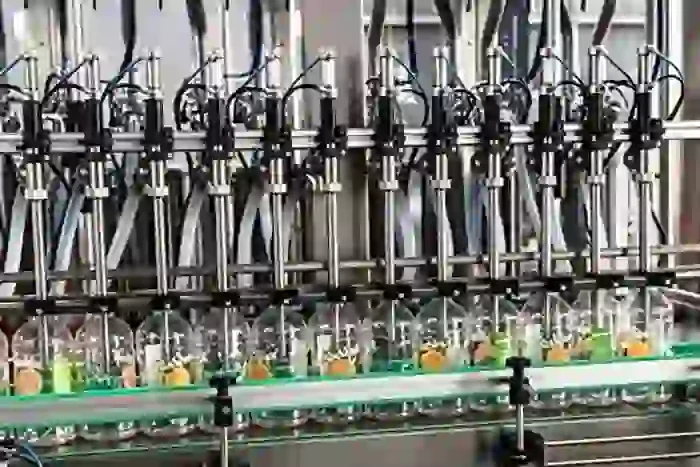
The Net Weight Filling Machine is designed for precise and efficient filling of liquids into bottles, pails, drums, or jerry cans, ideal for 5–30kg containers. Using a weight feedback system under each filling nozzle, it ensures accurate dosing and minimal product waste.
This machine features automatic operations including container feeding, weight-controlled filling, and discharge, making it highly suitable for edible oils, lubricants, chemicals, beverages, and other liquids. Customizable filling heads and Siemens PLC control with a touch screen interface allow easy adjustment and monitoring, while high-precision load cells guarantee consistent accuracy.
Constructed from SUS304/316 stainless steel, it offers durability, corrosion resistance, and optional explosion-proof design for safe operation. The system can integrate with unscramblers, capping, labeling, and palletizing equipment, providing a flexible, high-speed, and fully automated solution for modern liquid packaging lines, compliant with CE and GMP standards.
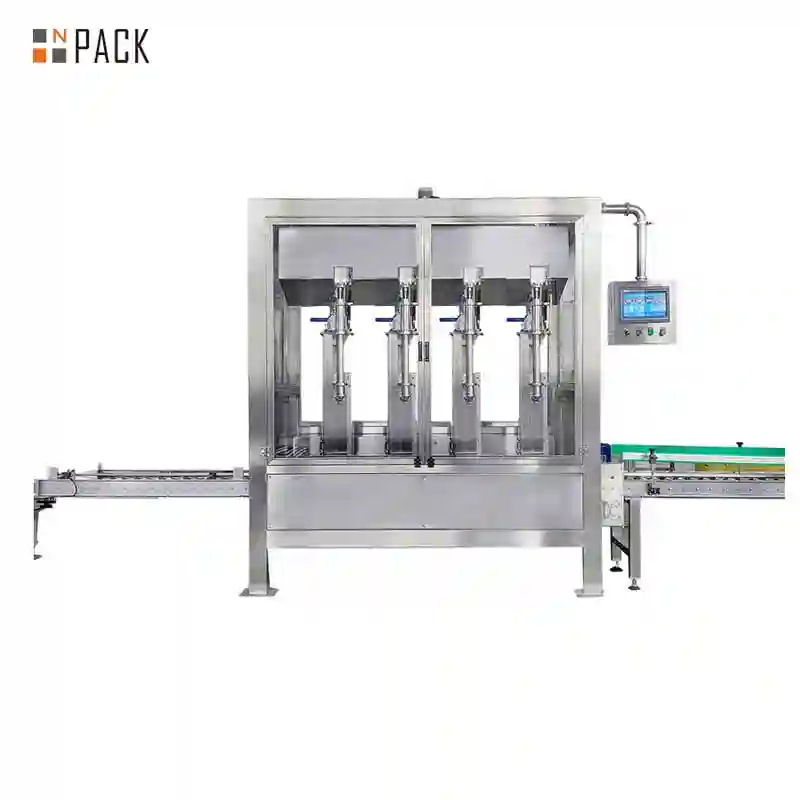
High-Precision Net Filling System Features
1. Robust & Sanitary Construction
Crafted from 304 stainless steel, the frame and liquid-contact components are corrosion-resistant and easy to clean, ensuring hygienic production and long-term reliability.
2. Intuitive PLC & Touchscreen Control
Equipped with an industrial-grade PLC and touchscreen interface, the system allows operators to easily set target weights, adjust batch parameters, and monitor filling in real time.
3. Accurate Quantitative Filling
Each filling head features an integrated weight feedback system, ensuring precise net weight measurement for consistent batch-to-batch accuracy.
4. Submersible Nozzle for Bubble-Free Filling
The diving filling design reduces foam and splash during the process, maintaining product quality and minimizing overflow.
5. Automatic Fault Detection & Safety Protection
Sensors monitor container presence and flow status; any blocked or missing containers trigger alarms, preventing misfills and maintaining safe operations.
6. Quick-Release Design for Cleaning & Maintenance
All product-contact parts can be rapidly disassembled for cleaning and maintenance, supporting GMP compliance and smooth production workflows.
7. Flexible Batch & Volume Handling
Suitable for containers from 5kg to 30kg, the system adapts to various product types, fill volumes, and batch sizes, making it ideal for versatile industrial applications.
Technical Parameters
| 1 | Filling Accuracy | ±0.1% |
| 2 | Max capacity | 30kg |
| 3 | Filling Speed | about 1000~3000 pails /hr(based on the feeding speed) |
| 4 | Waterproof grade | IP65 |
| 5 | Power | AC220/50Hz(supplied by customer) |
| 6 | Air supply | 0.4-0.6Mpa(supplied by customer) |
| 7 | Temperature | -10℃- 40℃ |
| 8 | Control mode | 2-shift control |
| 9 | Filling mode | inserting filling, above-surface filling |
| 10 | Storage platform | 700mm×1000mm. Roller: stainless steel |
| 11 | filling valve pipe | SUS304 stainless steel and Teflon(SUS 316L is optional) |
Net Weight Filling Machine Work Process
Empty Bottle Weighing
Empty bottles are conveyed to the weighing platform for tare measurement. Bottles outside the preset tolerance are automatically rejected and not filled.
Filling and Monitoring
Approved bottles are filled using laminar flow to reduce foaming. The process is monitored in real time, and any abnormal conditions such as leakage or misalignment trigger an immediate stop and rejection.
Final Weighing and Feedback Control
After filling, the system calculates the net weight by subtracting the tare. The data is recorded and fed back to automatically adjust the next filling cycle, ensuring consistent accuracy.
How to Select the Right Net Weight Filling Machine?
Choosing a suitable net weight filling machine requires evaluating several critical factors:
Product Characteristics: Consider viscosity, flowability, particle content, corrosiveness, and foaming tendency.
Filling Range and Accuracy: Different weight ranges—from a few grams to tens of kilograms—demand appropriate weighing sensors and control systems.
Container Specifications: Bottle, bag, can, or drum material, shape, and size all influence machine configuration.
Required Production Output: Desired throughput determines the number of filling heads or stations operating simultaneously.
Hygiene Requirements: Food and pharmaceutical applications typically require stainless steel construction and designs compatible with CIP/SIP cleaning.
System Integration: Assess whether the machine must interface with upstream equipment (e.g., bottle unscramblers) and downstream systems (e.g., sealing or capping machines).