In the alcoholic beverage industry, diverse categories—such as wine, whisky, baijiu, spirits, sake, yellow rice wine, vodka, and brandy—differ in their raw materials, production processes, and flavor profiles. However, they all face a common challenge during the filling process: achieving high-precision filling while maintaining consistent product quality. Therefore, the selection of wine filling machines and equipment accuracy are critical factors.
Currently, the industry widely uses technologies such as gravity filling, overflow filling, and piston filling. The main objective is to achieve precise filling, consistent liquid levels, and reduced product loss. Whether for small wineries or large-scale alcohol production companies, these filling machines and filling lines can improve production efficiency while preserving the original flavor and quality of the beverage.
What is a wine filling machine?
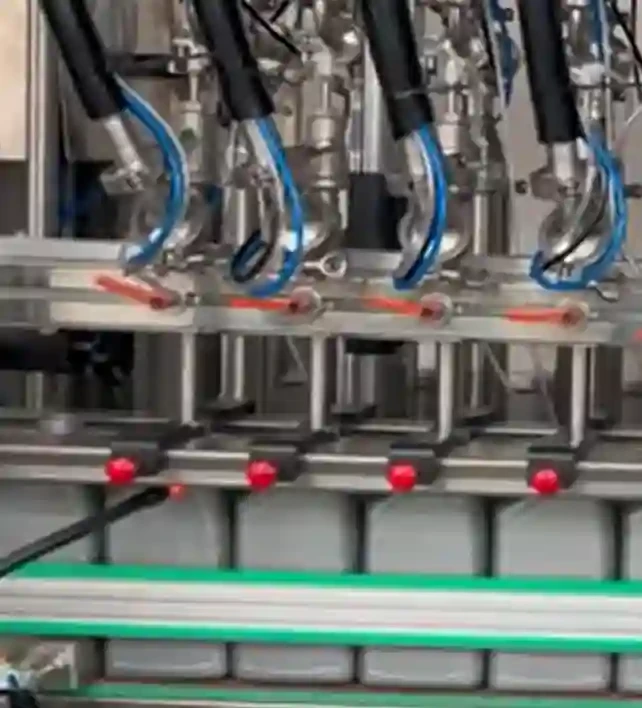
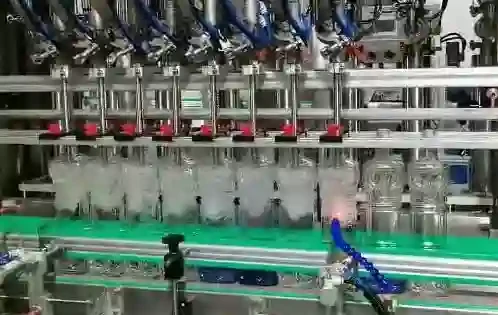
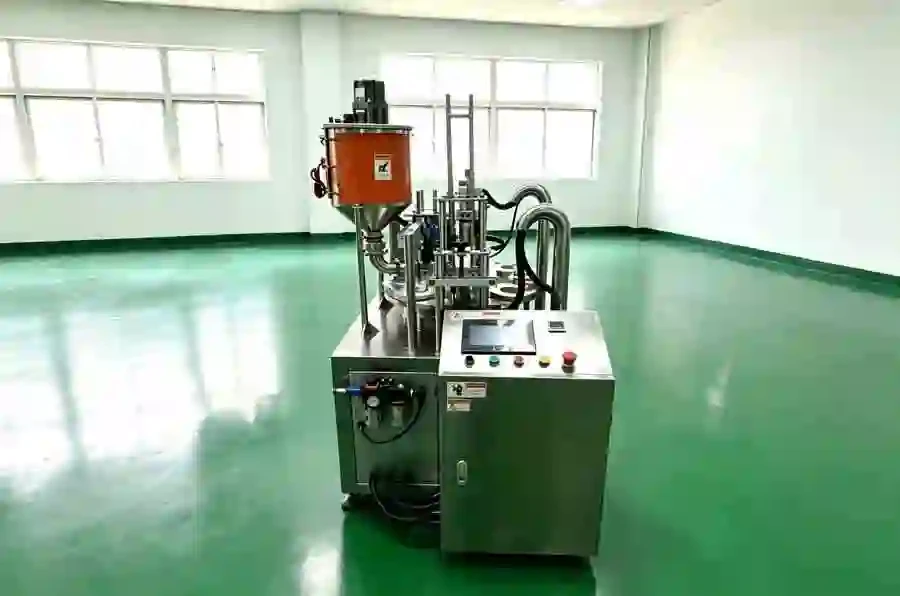
wine filling machine is mainly used to accurately fill wine into bottles, cans, or sachets. It can also be integrated with other packaging equipment, such as ropp capping machines and labeling machines, to form a complete wine production line that meets the requirements of modern wine production.
What are the main challenges faced during the wine filling process?
Due to its high alcohol content, low viscosity, and strong fluidity, combined with variations in glass bottle quality, alcohol filling processes may face several challenges during production.
1. Foaming and liquid splashing issues
Alcohol has strong fluidity. Excessive filling speed and turbulent liquid flow can easily cause foam formation and liquid splashing. These issues may result in inaccurate filling volume and increased product loss.
2. Uneven filling level issues
Foaming during the filling process can lead to volume deviations. At the same time, slight differences in glass bottle wall thickness, bottle shape, and bottom dimensions may cause visible liquid level differences even with the same filling volume, making it difficult to ensure a consistent and neat appearance of finished products.
3. Safety issues in flammable liquid production
If the alcohol content of the beverage being filled is too high, potential safety risks may occur during the production process. In this case, an explosion-proof cabinet is required.
What are the most common wine filling technologies available on the market?
The right filling technology is essential for maintaining wine quality and appearance. Let’s take a closer look at the main types of wine filling machines and their respective advantages.
1.Gravity Filler for Wine
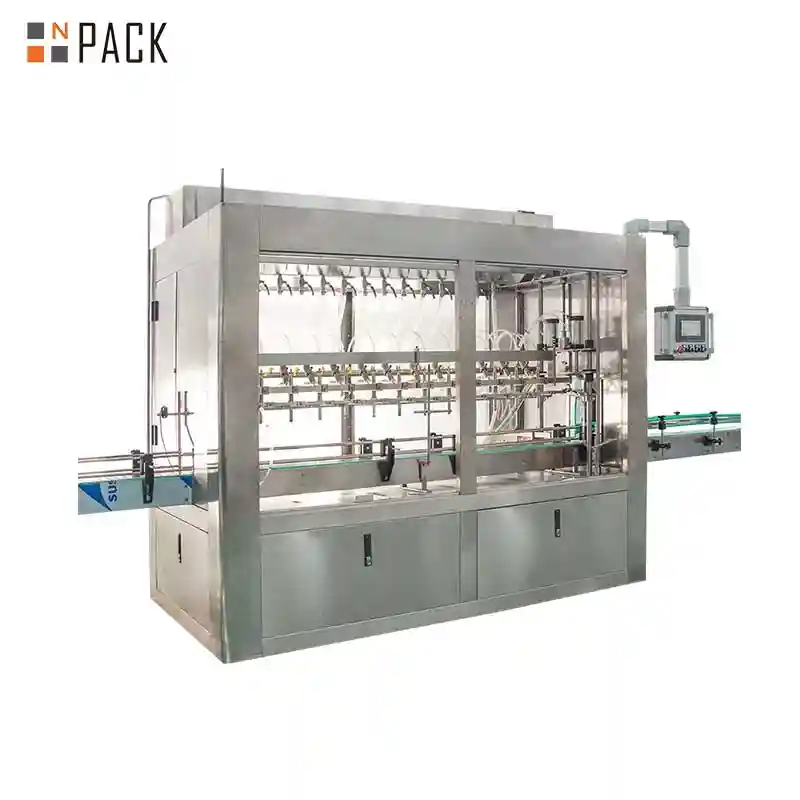
This type of equipment uses gravity to transfer wine from the storage tank into bottles below. Its gentle filling process reduces liquid agitation, helping preserve the delicate flavor and characteristics of the wine. It is especially suitable for still red wine, white wine, and aged wines. No external pressure is required, as the machine relies entirely on natural gravity to achieve smooth and stable filling.
2.Overflow Fillers
Looking for a consistent fill level? Overflow filling machines are designed for this purpose. The system returns excess liquid once the wine reaches the preset filling height, ensuring that every bottle has a uniform appearance on the shelf. It is commonly used for wine packaged in transparent glass bottles and for brands that focus on visual presentation. It also helps effectively control foam formation during the filling process.
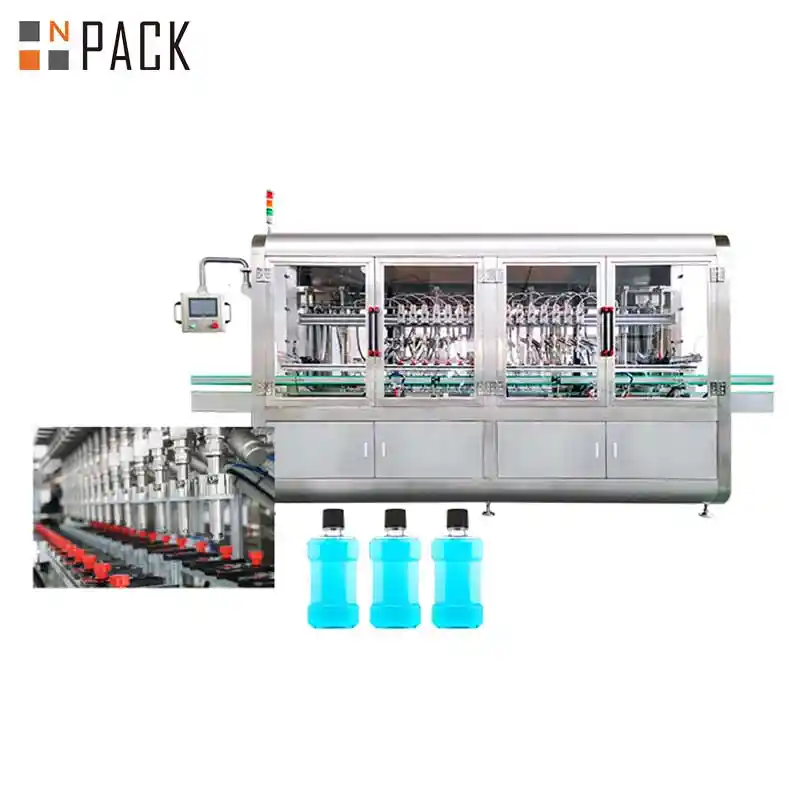
3.Piston Filler
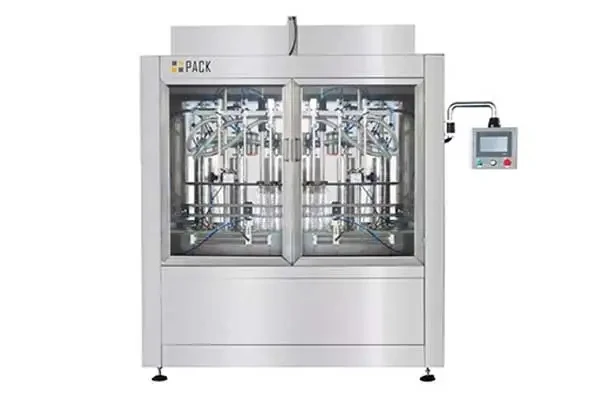
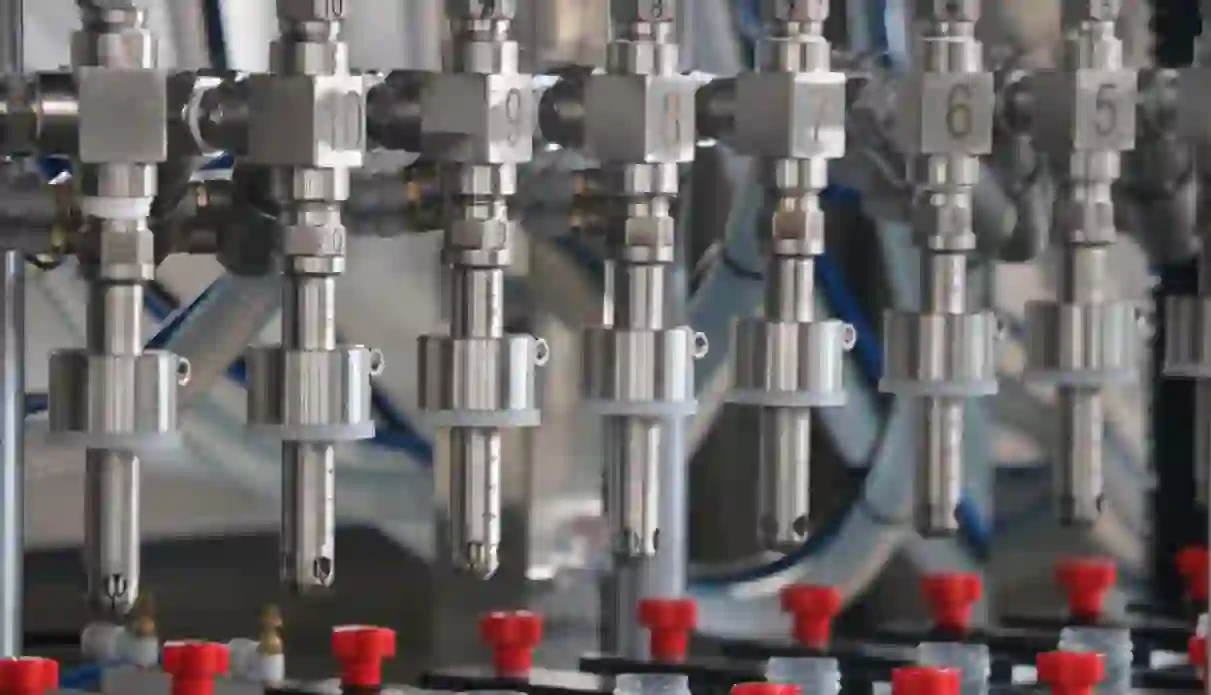
Piston filling machines use volumetric piston measurement to ensure accurate and consistent filling volumes. During the wine filling process, diving nozzles are used to reduce foam generation, improve filling accuracy, minimize dripping and product loss, and keep the bottle mouth clean. This helps prevent contamination caused by dripping, protect wine quality, and makes the machine particularly suitable for wineries and beverage manufacturers with high precision requirements.
Regardless of your production scale or bottle design, there is a professional wine filling machine solution to meet the needs of wineries and beverage manufacturers.
What other equipment is typically included in a wine filling machine line?
A wine bottling line comprises more than just a wine filling machine; it incorporates various packaging units—such as bottle washers, ropp cappers, labeling machines and so on—to ensure the entire line operates rapidly and efficiently:
1.Bottle Washing Machine
Before the wine is filled, the bottles must undergo thorough cleaning using water or negative-ion technology to ensure no impurities, such as dust particles or insects, contaminate the product.
2.Capping Machine
Once filling is complete, the bottles must be sealed using T-cork pressing machines or Ropp capping machine. This equipment handles the sealing process regardless of the closure type—whether natural cork, synthetic cork, or ROPP cap.
3.Cap Capsule Shrinking
After capping, heat is applied to the PVC or aluminum foil capsule placed over the bottle neck, causing it to shrink tightly and perfectly encase the bottle opening.
4.Bottle Body Hot Air Dryer
High-speed airflow is used to completely remove residual moisture from the bottle’s exterior, preparing it for the subsequent labeling process.
5.Labeling Machine
Labels—including front, back, and sometimes neck labels—are precisely applied to the bottle, transforming an ordinary glass bottle into an eye-catching centerpiece for the dining table.
6.Packaging and Palletizing
Finished wine bottles are packed into cases and stacked onto pallets, ready for transport to specialty wine shops and restaurants, or for direct delivery to you.
Customer Case Study: Whiskey Production Line in Uzbekistan
Project Background
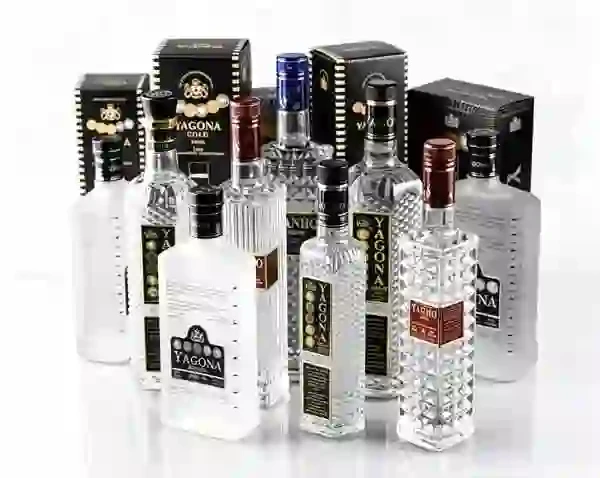
In 2023, Npack partnered with a well-known alcohol group in Uzbekistan to provide a complete whisky filling solution for its new factory. The main challenge of this project was that the customer’s product line included more than ten types of uniquely designed and irregular glass bottles, which required extremely high compatibility and stability from the production line.
Key Project Parameters
Product: Whisky
Filling Volume: 500ml – 1L
Bottle Type: Irregularly shaped glass bottles
Filling Solution
After in-depth requirement analysis and repeated production line optimization, the Npack technical team successfully developed three fully automatic whisky filling production lines tailored to the customer’s needs. The solution perfectly met the customer’s requirements for multi-size and multi-shape bottle filling. The core equipment included:
- Automatic Bottle Washing Machine
- Piston Filling Machine (ensuring high-precision volumetric filling)
- Automatic Capping Machine
- Cap Capsule Shrinking
- Bottle Air Dryer
- Double-Sided Self-Adhesive Labeling Machine
Project Results
Currently, all three production lines have been successfully put into operation, delivering stable and efficient performance. The solution not only meets the customer’s requirements for high-quality filling of complex bottle designs but also significantly improves the factory’s automation level and production capacity.
Conclusion
Npack is an experienced manufacturer of filling, capping, and labeling machines, providing professional customized wine production lines for customers around the world. If you have similar requirements, please feel free to contact us.