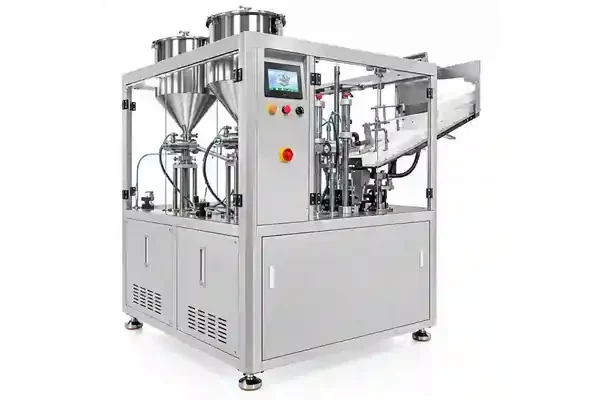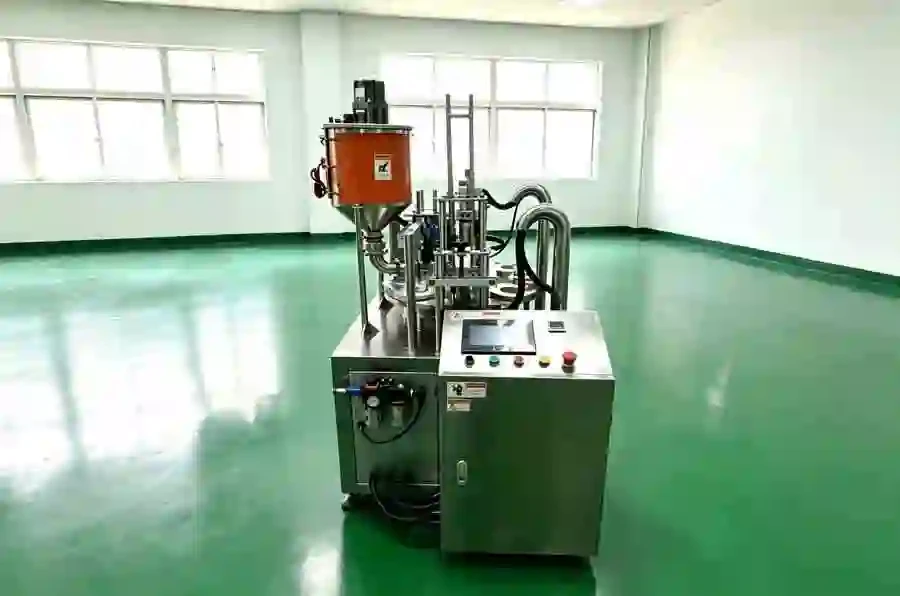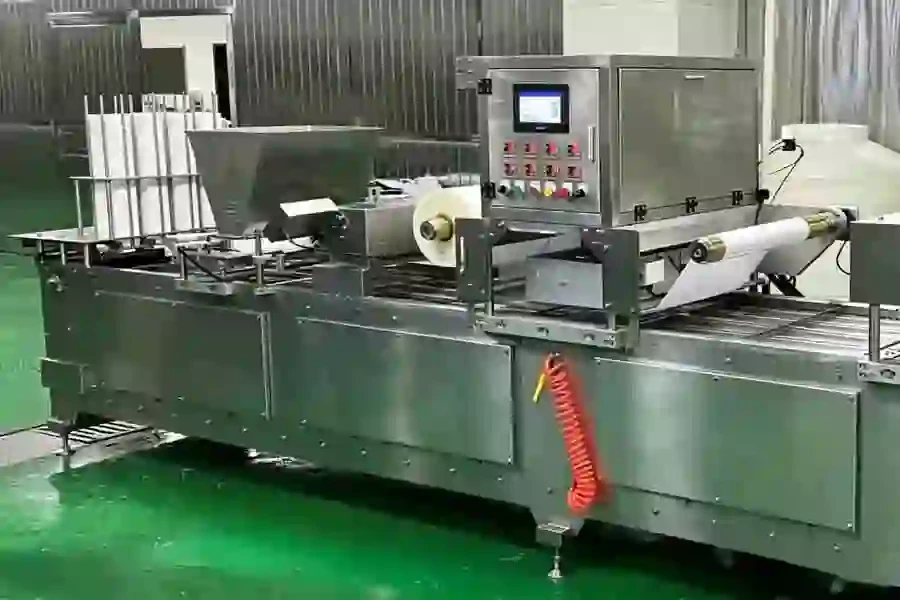
In the field of liquid filling and packaging, the Overflow Filling Machine is a highly distinctive and widely used piece of equipment. Its greatest advantage is achieving consistent liquid levels, meaning that all bottles are filled to the same height. For retail products packaged in transparent containers, an overflow filling machine ensures a uniform appearance on the shelf, improving product presentation, enhancing consumer confidence, and increasing retail sales. Therefore, it has become the preferred filling solution for many manufacturers.
This article mainly introduces the concept, working principle, advantages, and other key aspects of the overflow filling machine.
What is an overflow filling machine?
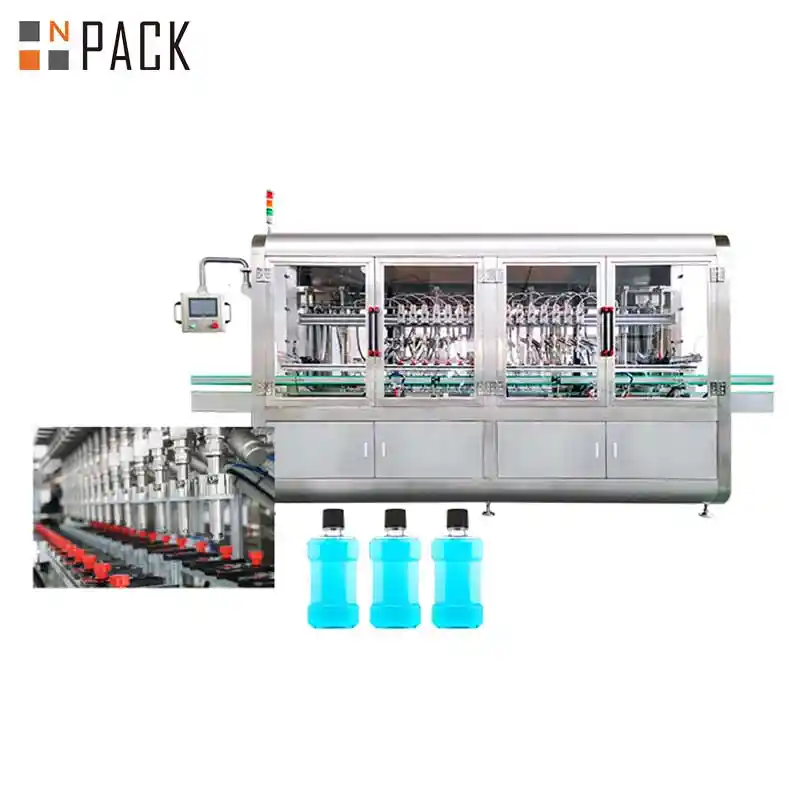
Overflow Filling Machine, also known as a level filling machine, is designed to fill containers to an accurate and consistent liquid level rather than filling based on an exact volume. The machine uses specially designed filling nozzles that, while sealing the bottle opening, force excess liquid or foam back into the liquid tank, thereby reducing product waste.
What products are suitable for an overflow filling machine?
Overflow filling machines are suitable for filling medium-to-low viscosity liquids that are prone to bubbling. They are mainly used in the following industries:
Food and Beverage Industry: Suitable for juices, vinegars, wines, and soy sauces, etc. They maintain a stable filling level and minimize foam and splashing, resulting in a consistent product appearance.
Chemicals and Personal Care Industry: Easily handles glass cleaners, detergents, mouthwashes, etc. A uniform filling level and gentle material handling help maintain product quality and appearance.
How does overflow filling machines work ?
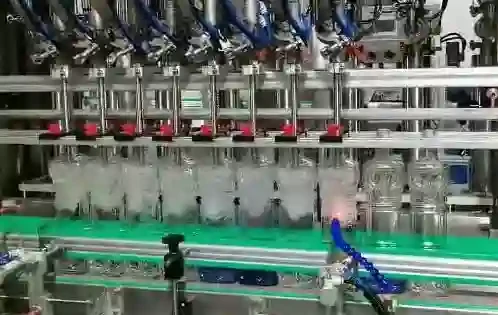
Overflow Filling Machine is a type of equipment designed to achieve a consistent liquid level inside containers. Its core design concept is not to ensure that the exact volume of liquid filled into each bottle is identical, but rather to ensure that all containers reach the same liquid level after filling, creating a neat and consistent shelf appearance.
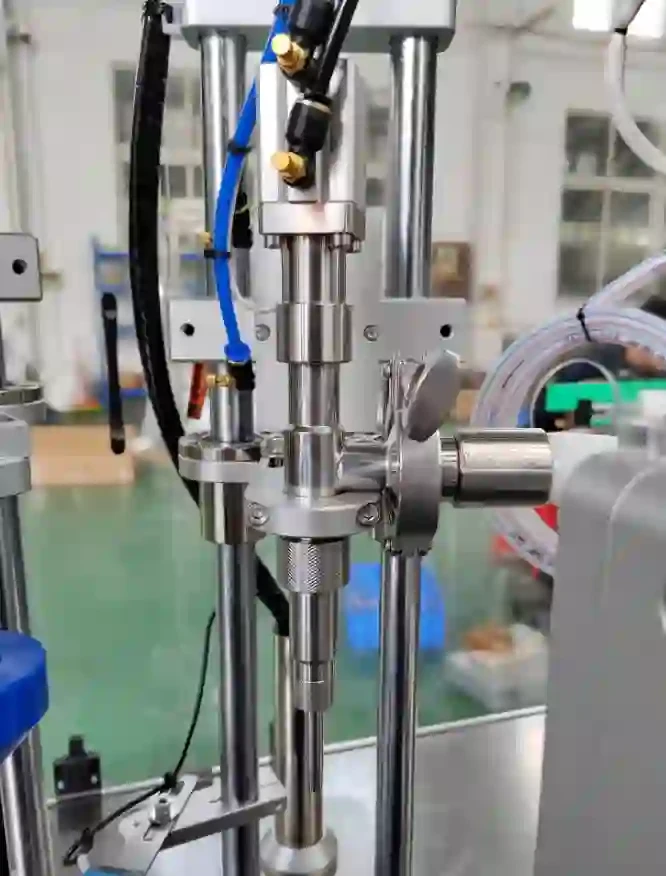
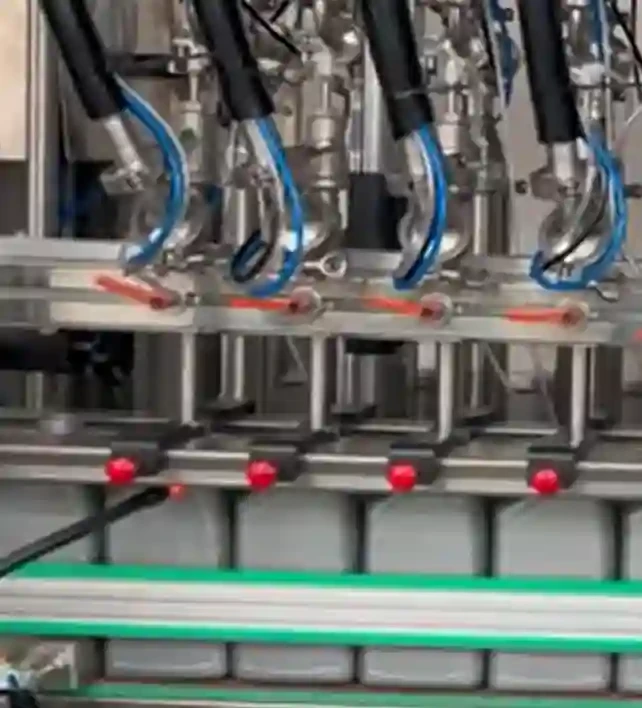
The key to achieving this “fixed-level” filling lies in its unique coaxial sleeve-type filling nozzle structure. The filling nozzle consists of two layers of tubes: the inner tube is responsible for delivering the product into the bottle, while the outer tube has an overflow port located at a specific height on its side wall. The physical position of this overflow port directly determines the final liquid level. During the filling process, the filling nozzle descends and seals against the bottle opening. The liquid is continuously injected into the bottle through the inner tube. When the liquid level inside the bottle reaches the height of the overflow port, excess liquid and any generated foam flow through the overflow port into the return channel between the outer and inner tubes, and are completely returned to the suction tank for recirculation and reuse. This process results in almost no product waste.
A significant feature of overflow filling is that filling and overflowing occur simultaneously. During the filling cycle, the feed pump continuously supplies the product while the overflow port simultaneously discharges excess material, allowing the system to quickly reach a state of dynamic balance. The liquid level inside the bottle is stably “locked” at the overflow port level, neither rising nor falling, until the filling time is completed. Since the final liquid level of all bottles is determined by the same physical overflow port, even if bottles from the same production batch have slight volume variations due to manufacturing tolerances (such as changes in inner diameter caused by inconsistent bottle wall thickness), the final liquid levels of all bottles are still forced to remain at the same height. This effectively eliminates uneven liquid levels caused by container variations, which can occur with volumetric filling methods.
What are the steps involved in the overflow filling process?
Overflow Filling: Step-by-Step Process
1.Container Positioning
Each bottle is carefully conveyed into place beneath the filling nozzle. The nozzle’s sealing surface forms a tight seal with the bottle rim, preventing leaks and ensuring accurate positioning.
2.Liquid Entry
Liquid is dispensed from the supply system through the inner tube of the nozzle. As the bottle fills, the liquid level gradually rises toward the designated target height.
3.Overflow Activation
Once the liquid reaches the overflow port, any excess product is diverted back through an overflow channel to the recirculation tank. This step is what guarantees every bottle has the exact same liquid level, regardless of minor differences in bottle size or shape.
4.Level Stabilization
The liquid level stabilizes at the overflow port height, creating a uniform, visually appealing fill across all containers. Overflow continues for as long as the bottle remains in position, ensuring a precise and repeatable result.
5.Container Removal
After filling, the bottle is moved away, and the cycle automatically repeats for the next container in line.
With PLC/HMI recipe management, changeovers between different products or bottle sizes are quick and repeatable. As a result, overflow filling machines provide an efficient, visually consistent, and reliable filling solution for a wide range of liquid products.
What are the key components of an overflow filling system?
1. 316 Stainless Steel Filling Nozzle
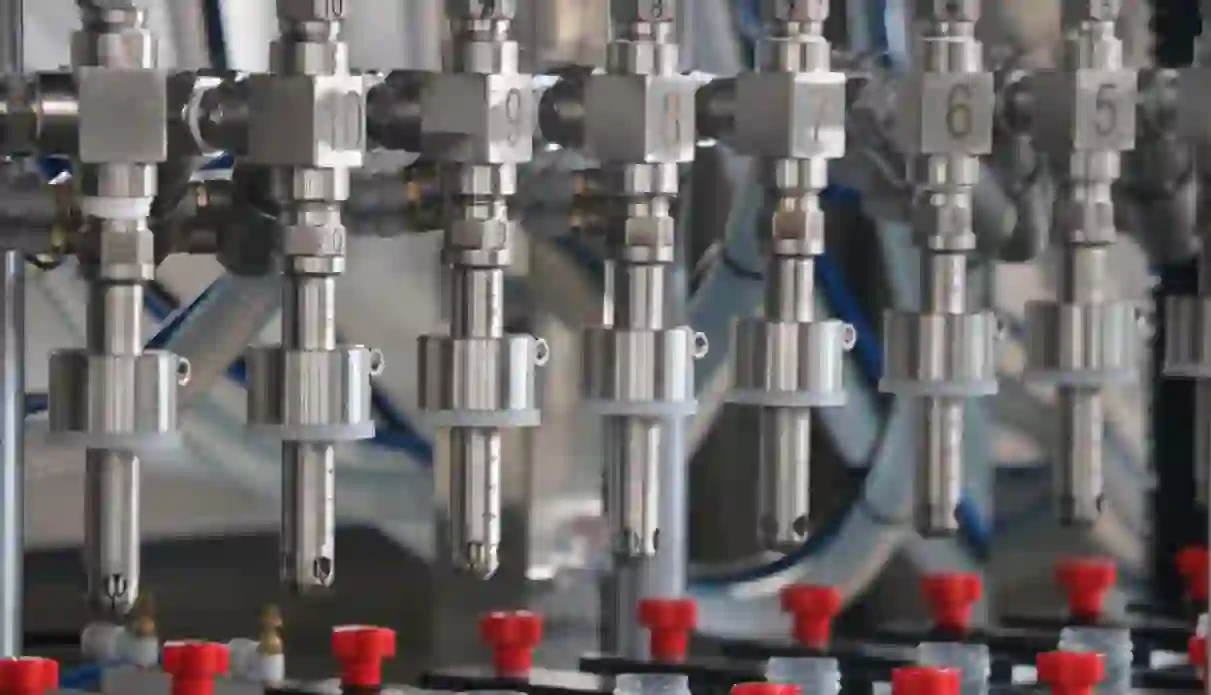
The filling nozzle is made of 316 stainless steel and adopts a coaxial sleeve structure consisting of an inner tube and an outer tube. It enables simultaneous filling and overflow, ensuring that all containers achieve a consistent visual appearance after filling.
2. Hopper
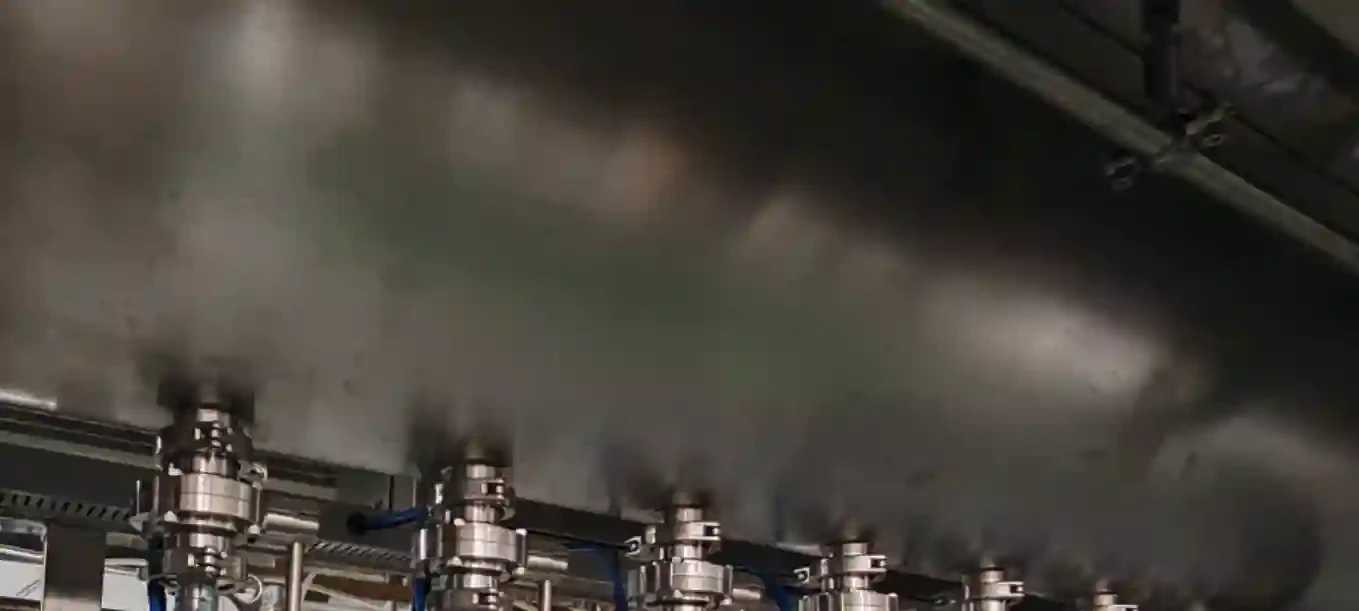
The hopper is made of 316 stainless steel. Throughout the filling process, its main function is to store and supply the liquid, preparing the product for the next filling step.
3. Return Tank
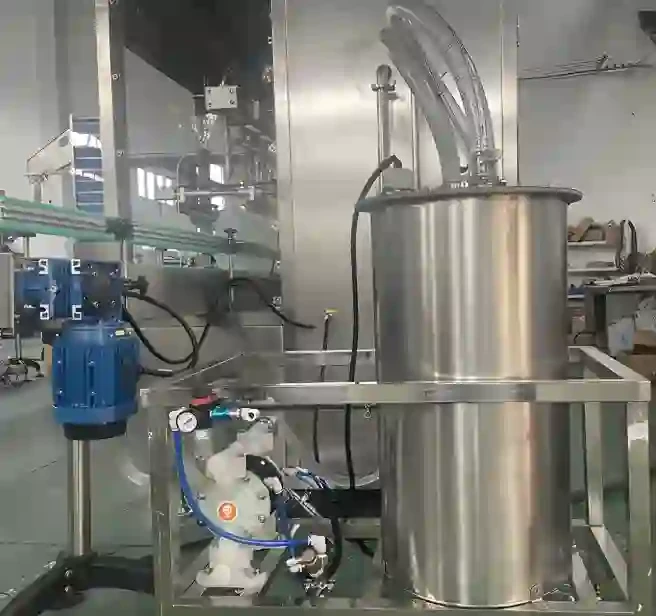
The return tank collects all excess liquid returned from the filling nozzle overflow and recirculates it for reuse, resulting in almost no product waste throughout the entire process.
4. PLC Control System
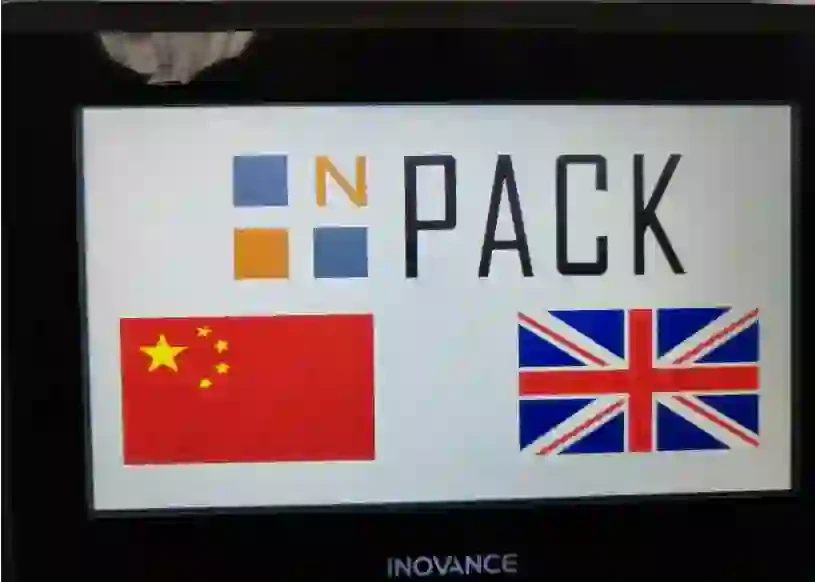
The PLC control system allows operators to easily set parameters, monitor operating status, and recall saved recipes through the touchscreen, achieving one-touch high-precision filling.
5. Food-Grade Soft Tube
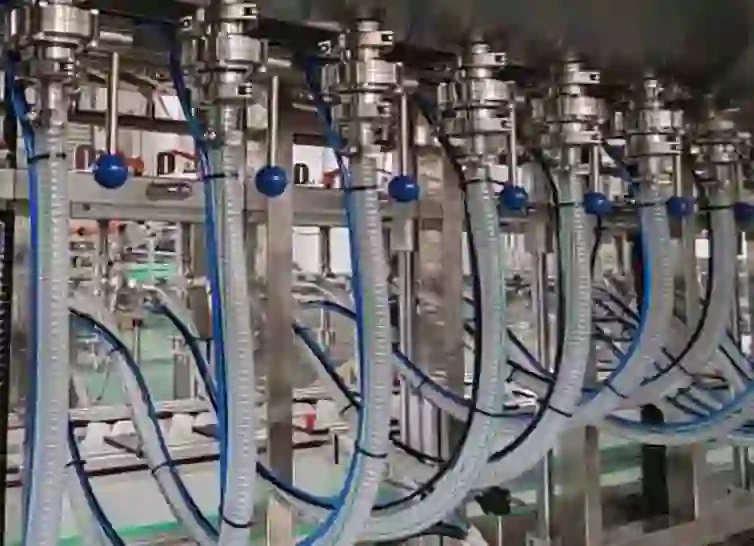
The food-grade soft tube is responsible for transferring the product from the tank to each filling nozzle.
Customer Case Study – Automatic 16-Nozzle Mouthwash Filling Machine in Saudi Arabia
Project Background:
In 2024, a customer from Saudi Arabia contacted Npack for a solution to fill 500ml mouthwash. The customer required the filled mouthwash bottles to have a consistent liquid level and a uniform visual appearance on the shelf.
Product: Mouthwash
Filling Volume: 500ml
Bottle Type: Square PET Bottle
Packaging Solution:
Based on the customer’s filling volume, bottle specifications, production capacity, and factory layout, Npack provided a 16-nozzle overflow filling machine for mouthwash.
FAQ about automatic overflow filler machine
Q1: Can overflow filling machines handle products that tend to foam?
A1: Yes. Overflow filling machines are ideal for low-to-medium viscosity liquids that are prone to foaming. They are suitable for products such as mouthwash, wine, vinegar, soy sauce, and more. For high-viscosity products (such as pastes) or products containing large particles, piston filling machines or rotary lobe pump filling machines may be required.
Q2: What types of bottles are compatible?
A2: Overflow filling machines can handle round, oval, square, and irregularly shaped bottles. They are particularly well-suited for clear PET plastic bottles where a consistent fill level appearance is required.
Q3: What is the difference between overflow filling machines and piston filling machines?
A3:
Overflow Filler Machines:
They are best suited for low-to-medium viscosity liquids that are prone to foaming. They ensure a consistent fill level (height), although the actual filling volume may vary slightly. They are ideal for industries that require a high level of visual consistency.
Piston Filler Machines:
They are ideal for thick, high-viscosity products or products containing particulates (such as lotions, sauces, or pastes). They ensure consistent filling volume, although the liquid level height may appear slightly uneven when used with transparent containers.
Q4: What is the typical production speed for an overflow filling machine?
A4: 800–2,500 bottles per hour (based on 1L containers).
Conclusion
The biggest advantage of an overflow filling machine is that it performs filling and overflowing simultaneously, achieving a consistent liquid level in every container. It is especially suitable for transparent PET plastic bottles. However, it is not suitable for filling highly viscous liquids.
If you need to fill medium-to-low viscosity liquids that are prone to foaming while maintaining a consistent visual appearance, an overflow filling machine is the ideal solution. Npack has extensive experience in overflow filling machines and has successfully completed many similar projects. Npack is your reliable choice.