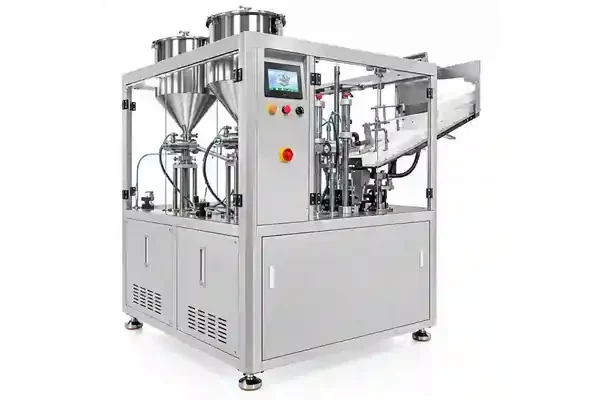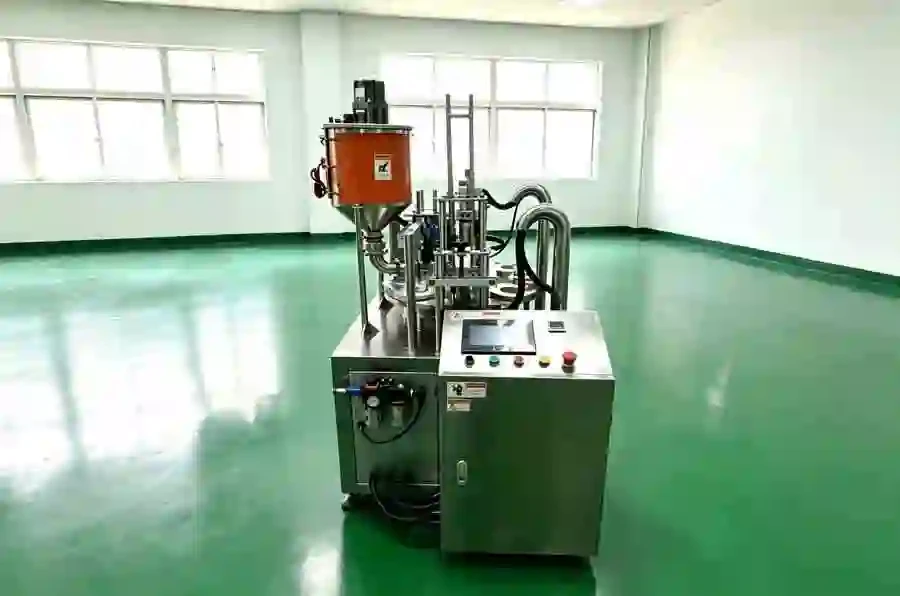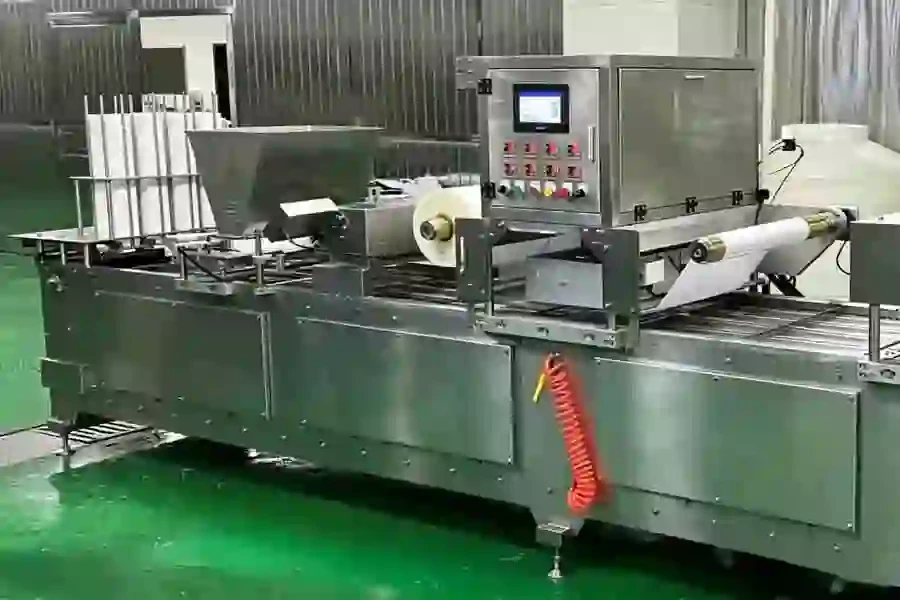
One of the first specifications buyers look for when choosing a bleach filling machine is its production capacity. However, in the case of bleach, sodium hypochlorite and other corrosive chemical liquid, the filling speed should not be the only consideration for the final equipment selection.
A reliable bleach filling system must be designed according to the chemical properties of the product, the specifications of the containers, the production capacity required, the filling accuracy, corrosion resistance, maintenance needs and future automation plans.
The following factors must be carefully studied before investing in a new bleach filling machine or complete bleach bottling line.
Before Choosing a Filling Machine: What Is Bleach?
Bleach is something you’ll see in households and industrial cleaning. People use it to whiten surfaces, lift stains, and—when needed—disinfect.
Most liquid bleaches are based on sodium hypochlorite (NaClO). In general, the product is not very thick, it spreads easily, and it behaves fairly close to water for basic handling.
That said, bleach isn’t always the same from brand to brand. The concentration, extra ingredients, and the temperature at the time of use can change what you see in practice—things like how readily it flows and whether it foams. These differences matter when choosing filling equipment, because the details show up in the line setup: the filling nozzle design, what materials are used for sealing, and what safety measures should be in place.
Also, bleach is typically corrosive and chemically reactive, so packaging production shouldn’t treat it like a neutral liquid. You need the right filling approach and corrosion-resistant product-contact parts. That’s how you avoid problems like leaking or dripping and keep the production line running reliably over time.
What Materials Are Suitable for Bleach-Contact Parts in a Filling System?
For bleach-filling applications, the product-contact parts should be corrosion-resistant and oxidation-resistant. Two materials commonly used in bleach filling systems are unplasticized polyvinyl chloride (PVC-U) and polypropylene (PP).
| Material | Common Applications | Advantages | Limitations |
| PP (Polypropylene) | Tanks, filling nozzles, valves, pipes and fittings, Machine frame and non-contact parts | Good chemical resistance, light weight, economical, easy processing | Mechanical strength and temperature resistance are lower than some engineering plastics . High concentration or high temperature bleach should be confirmed for suitability . |
| PVC-U | Pipes, valves, fittings and product transfer systems Machine frame and non-contact parts | Good corrosion resistance, rigidity, stable performance and economic | Less suitable for high temperatures and strong mechanical impact Compatibility depends on bleach concentration and operating conditions |
For a typical bleach filling system, PP and PVC-U are practical and cost-effective material choices for many product-contact applications. They offer good resistance to commonly used bleach and sodium hypochlorite solutions while helping control equipment cost.
PP and PVC-U are practical, cost effective materials for many product contact applications in a typical bleach filling system. They provide good resistance to common bleach and sodium hypochlorite solutions, while helping control equipment cost.
However, the material suitability should always be checked according to the actual product formulation, sodium hypochlorite concentration, operating temperature and working conditions. Higher concentrations or more demanding applications may require further evaluation of material compatibility.
Which Filling Technology Is Right for Bleach?
There are different filling technologies used in bleach and sodium hypochlorite products. The right solution depends on the filling volume, the product characteristics, the required accuracy, the production speed and the type of container.
1.Gravity Filling
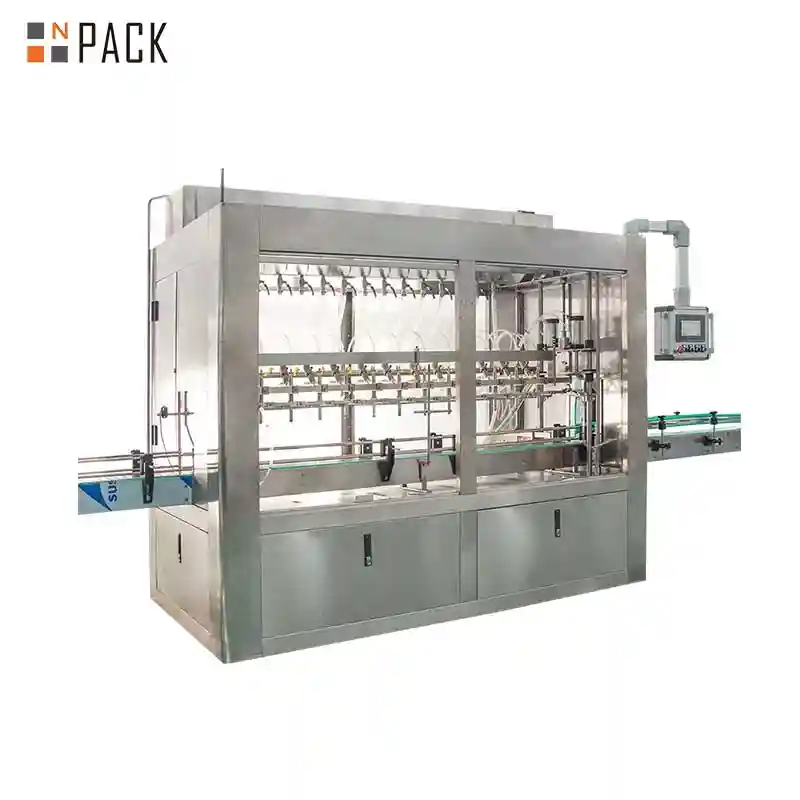
Gravity filling is a filling operation that utilises the natural flow of liquid. Generally suitable for low viscosity liquids. The structure is relatively simple.
2.Gear Pump Filling

Gear pump filling machine – the gear pump moves the material and does volumetric dosing. This gives a relatively stable filling output and satisfies the needs of various liquid filling applications. It supports corrosion-resistant filling too: materials such as PP and PVC-U, which are corrosion-resistant, are available to enhance compatibility with corrosive liquids and satisfy different customers’ operating conditions and material requirements.
3.Net Weight Filling
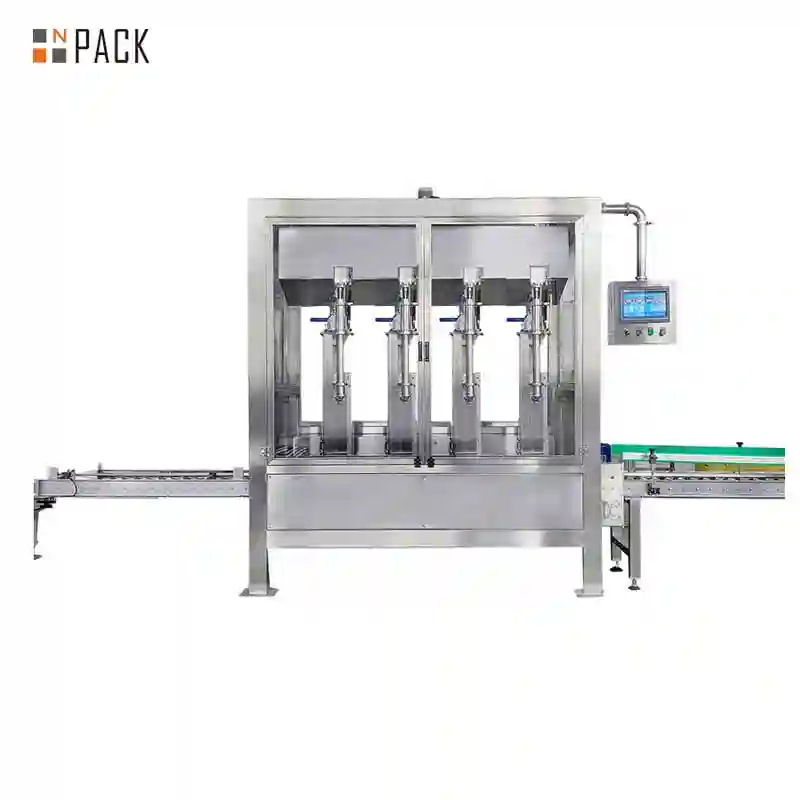
The net weight fill is the actual weight of the products placed in each container. It is particularly suitable for large containers or applications where the final product is controlled or sold by weight.
Why Is Anti-Drip and Anti-Splash Design Essential?
For bleach filling applications, dripping is more than a cleanliness issue. Product leakage may contaminate containers, affect label adhesion, increase cleaning requirements, and expose surrounding machine components to corrosive liquids.
A well-designed automatic bleach filling machine should incorporate effective methods to control leakage, splashing, and foaming.
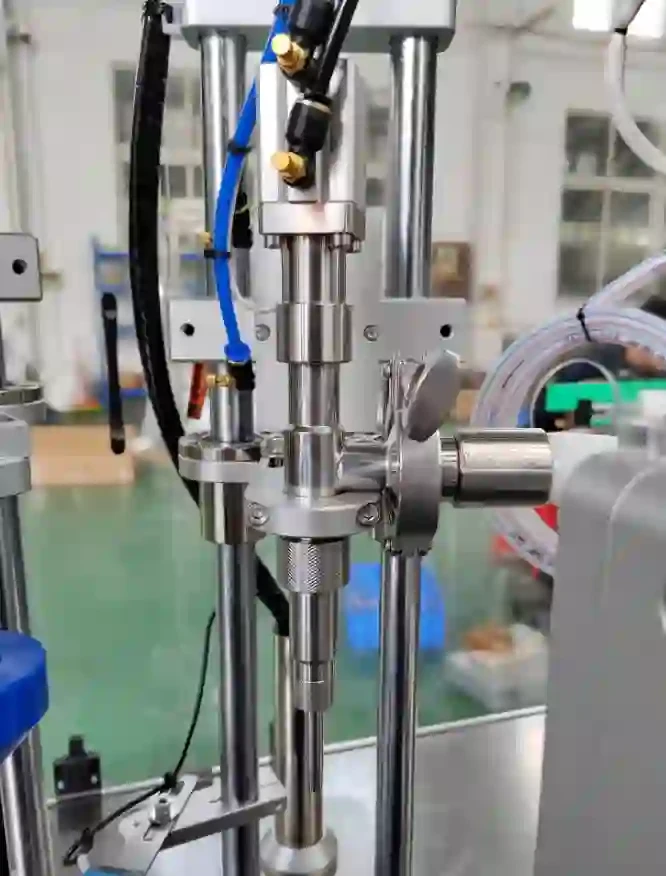
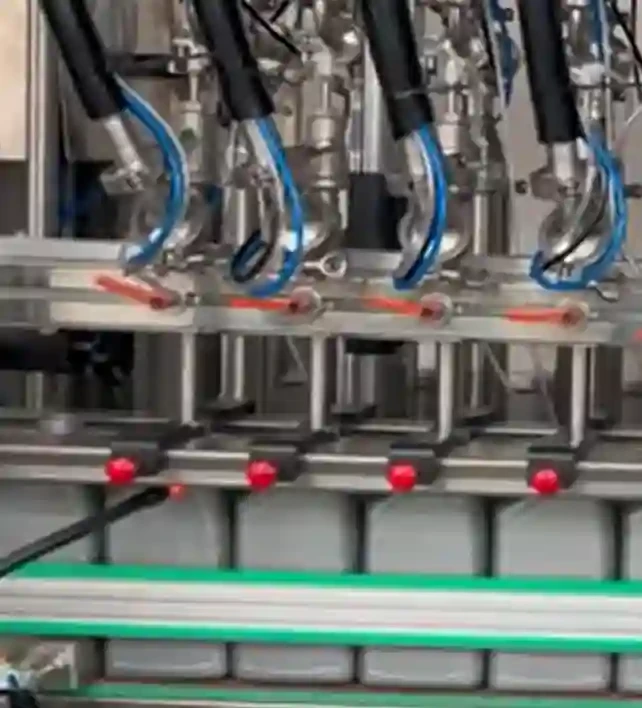
These features may include anti-drip nozzles, rapid shut-off mechanisms, diving filling nozzles, adjustable filling speeds, multi-stage filling control, and liquid collection structures.
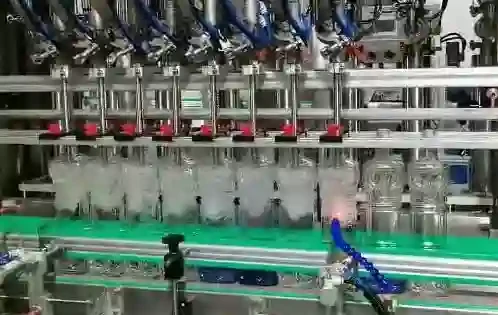
For foaming products, the filling nozzle may enter closer to the bottom of the container during the initial filling stage. It may gradually rise as the liquid level increases.
This filling method helps reduce turbulence, foam formation, and product splashing.
Should You Consider the Complete Bleach Filling Line?
For medium- and high-volume production, the filling machine should be considered as one part of a complete packaging system.
A complete bleach filling line may include bottle loading, bottle feeding, filling, cap feeding, capping, inspection, labeling, coding, and case packing.
All equipment in the line should be matched in capacity. In practice, the output of the entire line is usually limited by the slowest process.
For bleach and sodium hypochlorite, line planning should also consider corrosion resistance, anti-drip performance, cleaning, maintenance, and automation.
The material and anti-drip decisions discussed earlier should be applied to the whole line, not only the filling station.
Therefore, choosing a bleach filling machine should be based on complete line balancing, not only on the speed of a single machine.
FAQ About Bleach Filling Machine
1. What’s a bleaching filling machine?
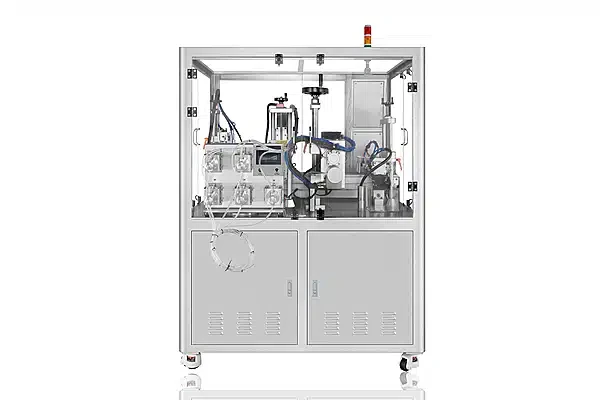
The bleach filler machine measures and dispenses metered volumes of bleach, sodium hypochlorite and other corrosive liquids into bottles and other containers.
Compared with a standard liquid filling machine, the bleach filling equipment needs to consider chemical compatibility, corrosion resistance, leakage prevention and product contact parts selection.
2. Can Standard Liquid Filling Machine do bleach filling?
Liquid products cannot be pumped by conventional filling machines.
Check pumps, pipes, valves, hoses, seals, gaskets, nozzles and other wet parts for compatibility with the actual chemical formulation before use.
3. What kind of containers can I use for the bleach dispenser machine?
The bleach dispenser equipment is designed to fit the machine design, and can be designed for round bottles, rectangular bottles, HDPE containers, containers with handles and different industrial packaging formats.
Typical applications are 500 ml and 1 litre household products to 5 litre, 10 litre or large chemical vessels.
4. What filling machine is applicable to sodium hypochlorite?
The use of sodium hypochlorite does not have a general filling technology.
The right solution will depend on the product concentration, filling volume, container type, required throughput, desired accuracy, degree of automation and the operating environment.
5. Can the bleach packaging machine be mixed with other packaging machines?
Yeah. The bleach packaging machine can be integrated with automatic cap feeding, capping, labelling, coding, inspection, conveying and case-packing equipment.
This enables you to produce a complete automatic bleach filling and packaging line for medium and high outputs.This modular approach allows seamless line optimization and reduced manual handling. With proper sanitary design and corrosion-resistant components, the system maintains product safety and compliance, while scalable options accommodate evolving capacity needs and regulatory updates.
Customer Case Study : 550ml & 750ml Irregular Bottle Bleach Filling Line
Client Background: A bleach manufacturer required one line for both 550ml and 750ml irregular bottles
Challenges: Irregular bottle shapes caused unstable positioning, plus bleach corrosion and dripping risks.
Our Solution: The line uses automatic bottle unscrambler + smart camera + high-speed orientation machine + anti-corrosion gravity filler + tracking capping machine,Product-contact parts use PP, with anti-drip filling nozzles and diving filling
Results:Stable filling for both bottle sizes, reduced dripping and bottle jams, faster changeover.
This case shows that for bleach and irregular bottles, positioning, corrosion resistance, anti-drip design and line balancing are more important than filling speed alone.
Conclusion
Selecting a bleach filling machine is more than hitting a target throughput. For sodium hypochlorite (NaClO) and other corrosive chemical liquids, the most reliable solution is based on the full set of requirements across the packaging line—product chemistry, container specifications, filling accuracy, corrosion resistance, maintenance needs, and long-term automation goals.
From material compatibility to the anti-drip and anti-splash features that protect bottle quality and reduce contamination risks, every decision should support stable operation over time. For medium- and high-volume production, it’s also essential to think in terms of complete line balancing. When all equipment in the line matches capacity and performance, your overall throughput improves and issues like dripping, jams, and costly downtime are minimized.