
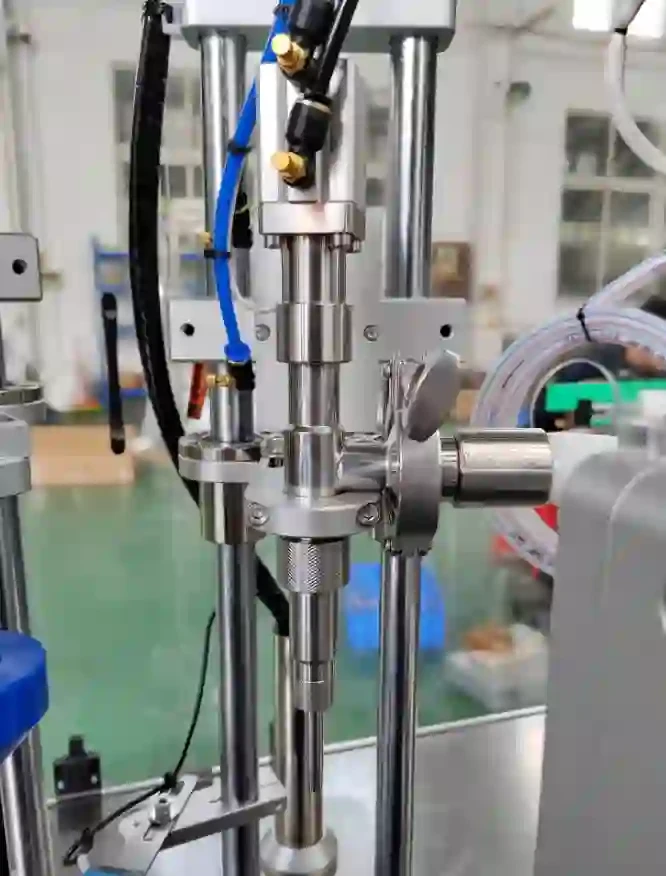

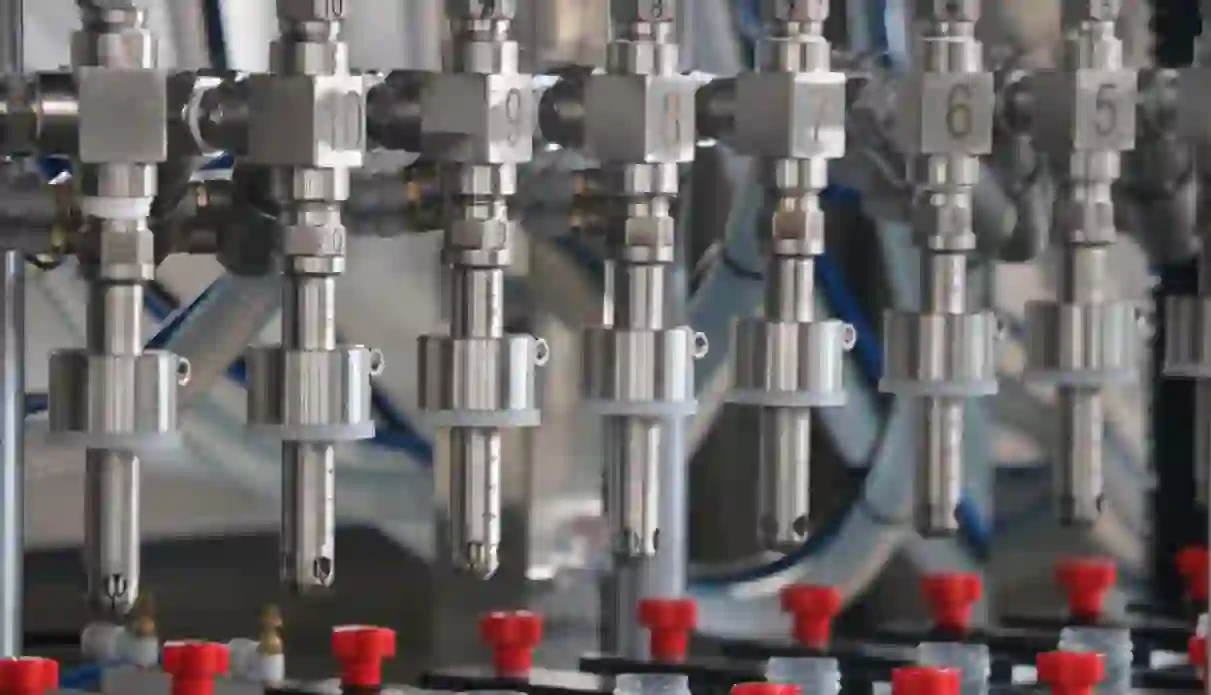
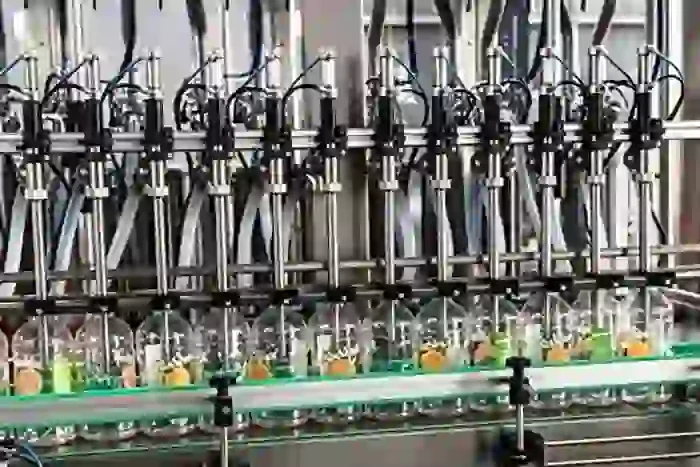
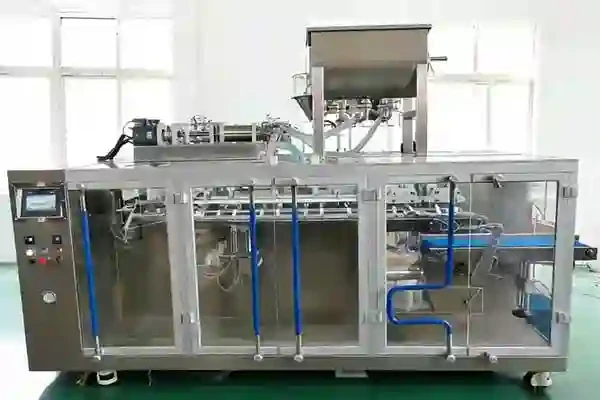
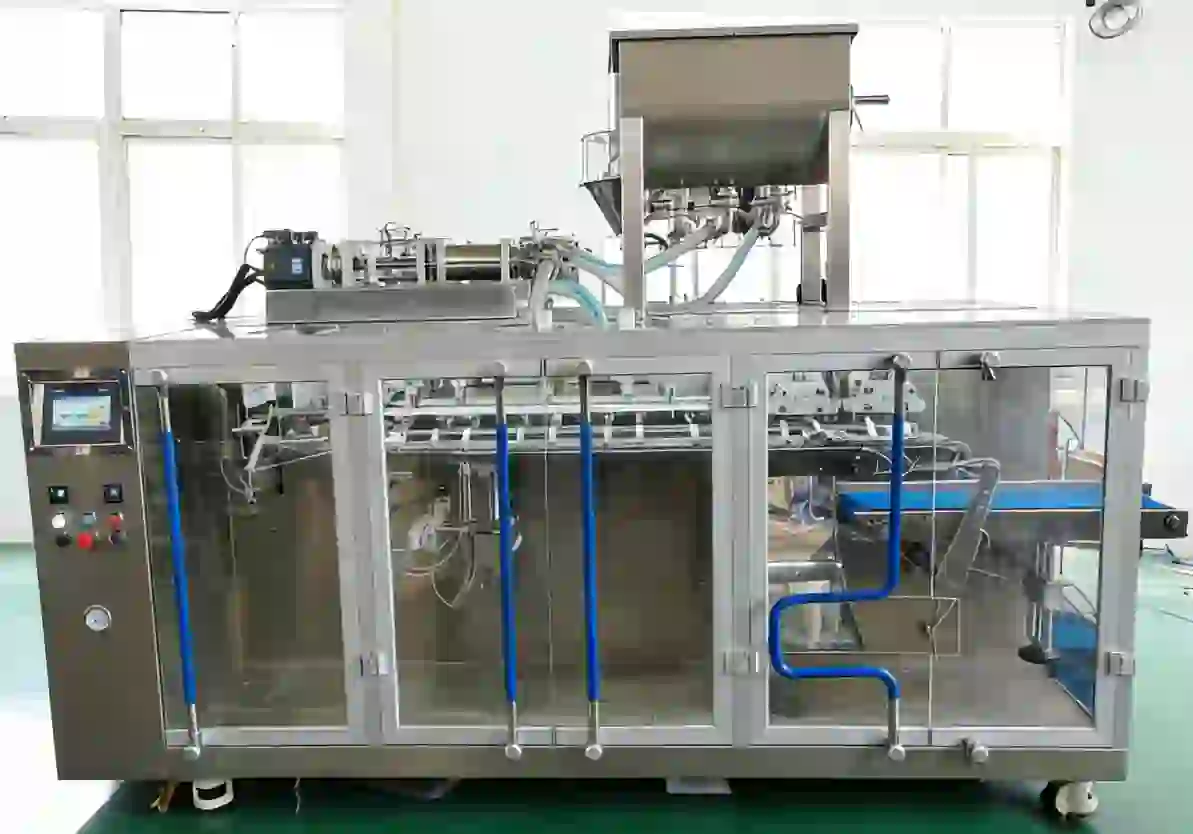
The Horizontal Form Fill Seal Machine features a horizontal film feed design that seamlessly integrates pouch forming, filling, and sealing into a single continuous process. It is classified as a “horizontal” system because the packaging material moves through the machine in a horizontal direction, making it especially suitable for producing a wide range of pouch formats.
These include stand-up pouches (Doypack), three-side seal and four-side seal pouches, as well as advanced designs with zipper closures, spouts, hang holes, and other custom features.
Equipped with a full servo-driven control system, the machine delivers high-speed performance, precise operation, and long-term reliability. Its robust construction ensures consistent output while maintaining a competitive total cost of ownership.
The system is highly versatile and can handle various product types, including powders, liquids, viscous products, granules, tablets, solid pieces, confectionery, and stick-shaped items.
With hundreds of installations worldwide, this machine has proven its reliability across multiple industries, including food and beverage, cosmetics, personal care, household chemicals, industrial chemicals, and pharmaceuticals.
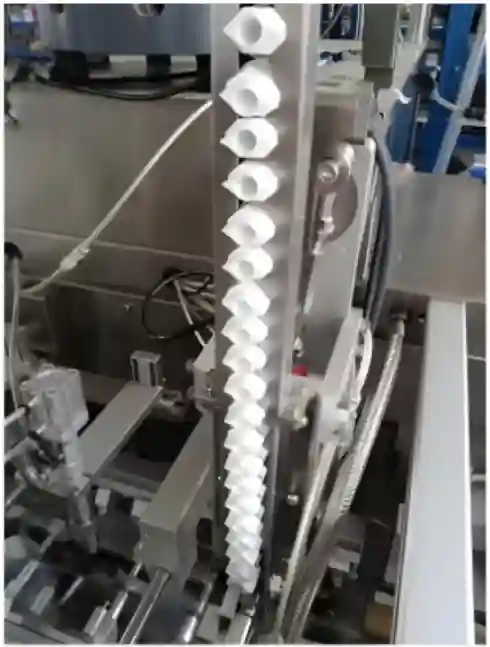
Horizontal Form Fill Seal Machine Main Features
1.User-Friendly HMI Interface
Integrated HMI provides a built-in instruction manual and troubleshooting guidance for quick operation and reduced downtime.
2.Enhanced Sealing Performance
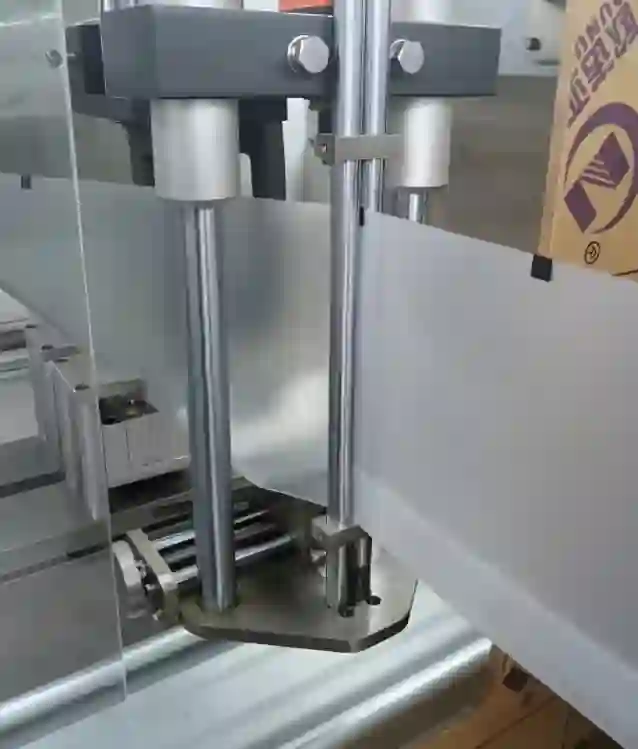
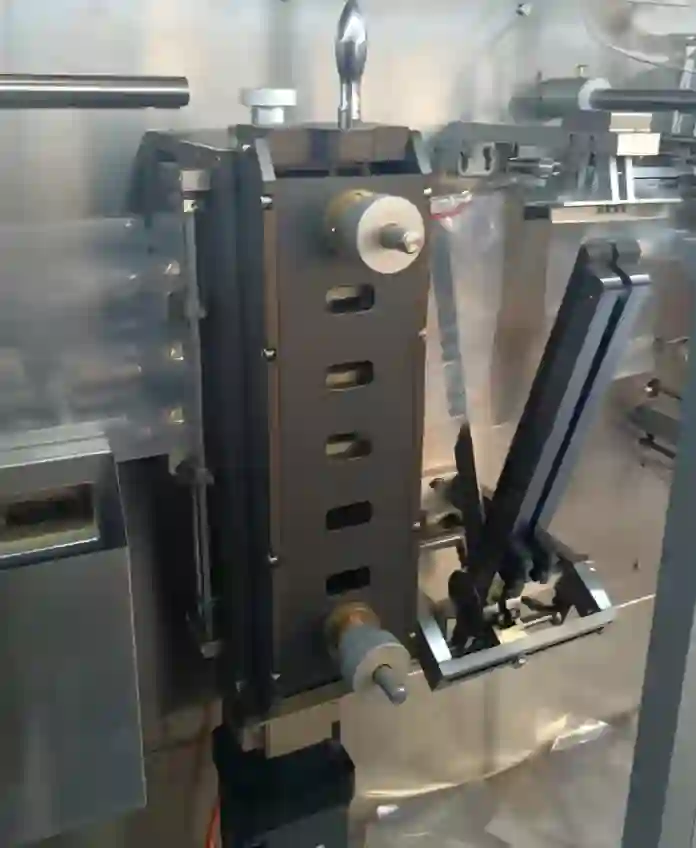
Parallel movement of vertical sealing bars ensures consistent sealing quality while simplifying maintenance.
3.Advanced Full Servo Control
The intelligent servo-driven system enables independent operation of each station, delivering high precision, reliability, and minimal maintenance requirements.
4.Efficient Walking Beam System
A robust transport mechanism with beams and grippers securely holds and transfers pouches smoothly through each stage—from forming to final sealing.
5.Multi-Stage Sealing Process
Multiple sealing steps ensure strong, leak-proof seals, improving overall package integrity.
6.Flexible Filling Capability
Supports both cold and hot filling, making it suitable for a wide range of products and applications.
Technical Parameters
| Model | NP-180SP |
| Pouch Size | 80mm x 110mm(Min.), 180mm x 250(Max.) |
| Filling Capacity | 400ml |
| Packing Speed | 35-45ppm |
| Powder | 8kw |
| Voltage | 380V/50HZ (three phase four line ) |
| Air Consumption | 300NL/min |
| Weight | 2000kg |
| Out dimension | 6000*1100*1500mm |
| Material Quality of Machine | Carbon steel/Stainless steel |
| Packing Material | Laminated Film(PE/NY/AL/PET) |
| Function | Doypack, Shape, Hanging Hole |
What are the components of a horizontal form fill seal machine?
horizontal form fill seal machine is composed of several core modules that operate in a coordinated workflow:
1.Film Unwind System
Holds and feeds the roll of packaging film into the machine with stable tension control, ensuring smooth and continuous operation.
2.Forming Section
Shapes the flat film into the required package format, such as pouches, sachets, or custom designs.
3.Filling Station
Once the pouch is formed, the product is accurately dispensed into it. The machine can accommodate various dosing systems—such as multihead weighers, piston fillers, auger fillers, or counting devices—depending on whether the product is liquid, powder, or granule.
4.Sealing Unit
Seals the filled package to ensure product safety, airtightness, and extended shelf life.
5.Cutting Section
Cuts the continuous film into individual packages, producing finished units ready for downstream packaging or distribution.
How Does a Horizontal Form Fill Seal (HFFS) Machine Work?
Automatic horizontal form fill seal machine operates using a single roll of film, which is unwound and folded to create the base structure of the pouch. The film is then continuously indexed through a series of stations, where the complete packaging process—pouch forming, filling, sealing, and discharge—is carried out in a synchronized sequence.
During this process, each station performs a specific function. These may include bottom sealing, tear notch or hole punching, zipper insertion, date coding, spout insertion, and side sealing. The pouch is then filled with the product, followed by top sealing and cooling to ensure a secure closure. Finally, the finished pouches are discharged for downstream handling or packaging.